Complete Manufacturing Guide
Custom Bag Manufacturing in China: The Complete OEM/ODM Guide for 2025
Everything you need to know about sourcing custom bags from China — from choosing between OEM and ODM, to selecting the right factory, understanding MOQs, managing quality control, and arranging global shipping. Written by Junyuan Bags, a BSCI & ISO 9001 certified bag manufacturer with 20+ years of experience.
Table of Contents
- Why China Remains the Top Destination for Bag Manufacturing
- OEM vs ODM: Which Model Is Right for Your Brand?
- How to Choose the Right Bag Manufacturing Factory
- Product Category Overview: 93+ Custom Bag Types
- Understanding MOQ: Minimum Order Quantities Explained
- The Sampling Process: From Sketch to Physical Prototype
- Quality Control: AQL Standards and Inspection Processes
- Shipping & Logistics: Getting Your Bags to Market
- Cost Factors That Affect Your Per-Unit Price
- How to Get Started with Custom Bag MFG
1. Why China Remains the Top Destination for Bag Manufacturing
China has been the world’s leading bag manufacturing hub for decades, and for good reason. The combination of mature supply chains, skilled labor, advanced machinery, and competitive pricing makes it the go-to destination for brands looking to produce custom bags at scale.
The bag manufacturing industry in China is concentrated in several key regions, with Quanzhou (Fujian Province) being one of the most important clusters. Quanzhou is home to hundreds of bag factories specializing in everything from backpacks and tote bags to golf bags and medical carriers. This geographic concentration means that raw material suppliers, hardware vendors, printing houses, and logistics companies are all within a short distance — dramatically reducing lead times and transportation costs.
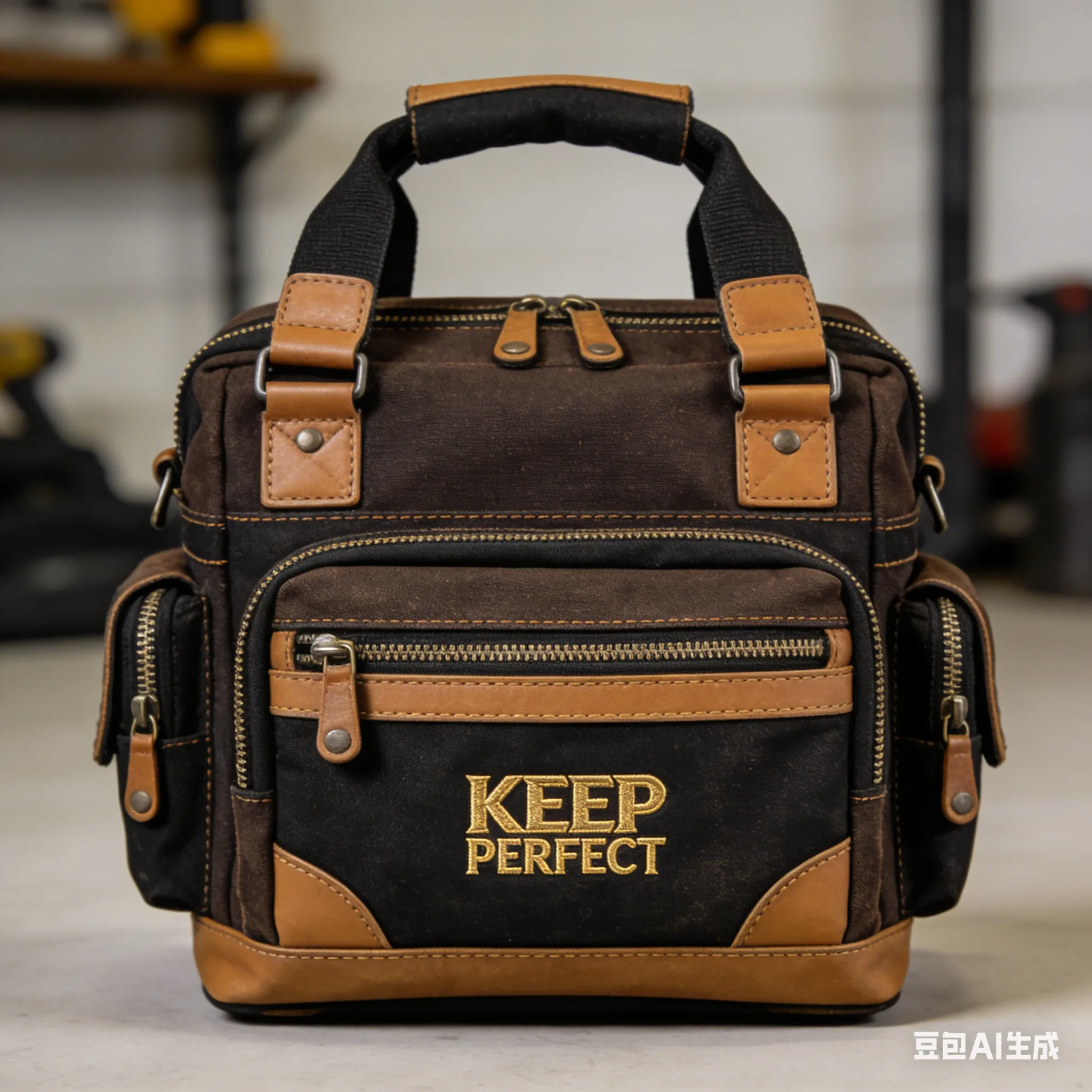
At Junyuan Bags, our 30,000 sqm facility in Quanzhou houses 12 production lines and over 300 skilled workers, enabling us to produce 500,000+ bags annually. This scale allows us to handle both small startup orders and large enterprise programs with equal efficiency.
Key advantages of manufacturing bags in China include:
- Mature supply chain: All fabrics, zippers, buckles, foams, and hardware are locally sourced, reducing costs by 20-40% compared to other manufacturing countries
- Skilled workforce: China’s bag-making tradition spans decades, with workers trained in precision stitching, heat sealing, and complex assembly
- Advanced equipment: CNC cutting machines, automated sewing stations, and RF welding technology ensure consistency and efficiency
- Flexible MOQs: Chinese factories can accommodate orders from 100 pieces (for simple items) to 50,000+ pieces for large programs
- Export infrastructure: Proximity to Xiamen and Shenzhen ports enables fast, cost-effective global shipping
2. OEM vs ODM: Which Model Is Right for Your Brand?
Understanding the difference between OEM (Original Equipment Manufacturing) and ODM (Original Design Manufacturing) is critical before you approach any bag factory.
| Factor | OEM | ODM |
|---|---|---|
| Design Origin | Your design, your specs | Factory’s existing designs |
| Customization Level | Fully customized | Limited to modifications |
| IP Ownership | 100% yours | Shared or factory-owned |
| Lead Time | Longer (design + sampling) | Shorter (existing base) |
| MOQ | Typically higher | Can be lower |
| Best For | Established brands with designs | Startups testing the market |
OEM (Original Equipment Manufacturing) is the most common model for brands that have their own designs, tech packs, or reference samples. You provide the specifications — materials, dimensions, colors, logo placement, hardware details — and the factory produces exactly to your requirements. This gives you complete control over the final product and full intellectual property ownership.
ODM (Original Design Manufacturing) is ideal if you don’t have a design team or want to speed up time-to-market. The factory provides existing designs that you can customize with your logo, colors, and minor modifications. Many of our 93+ product categories offer ODM options where you can start with a proven base design and add your branding.
At Custom Bag MFG, we support both models. Our in-house R&D team of 15+ designers can help refine your sketches into production-ready tech packs, or you can browse our catalog of 500+ existing designs for faster turnaround. Learn more about our OEM/ODM services.
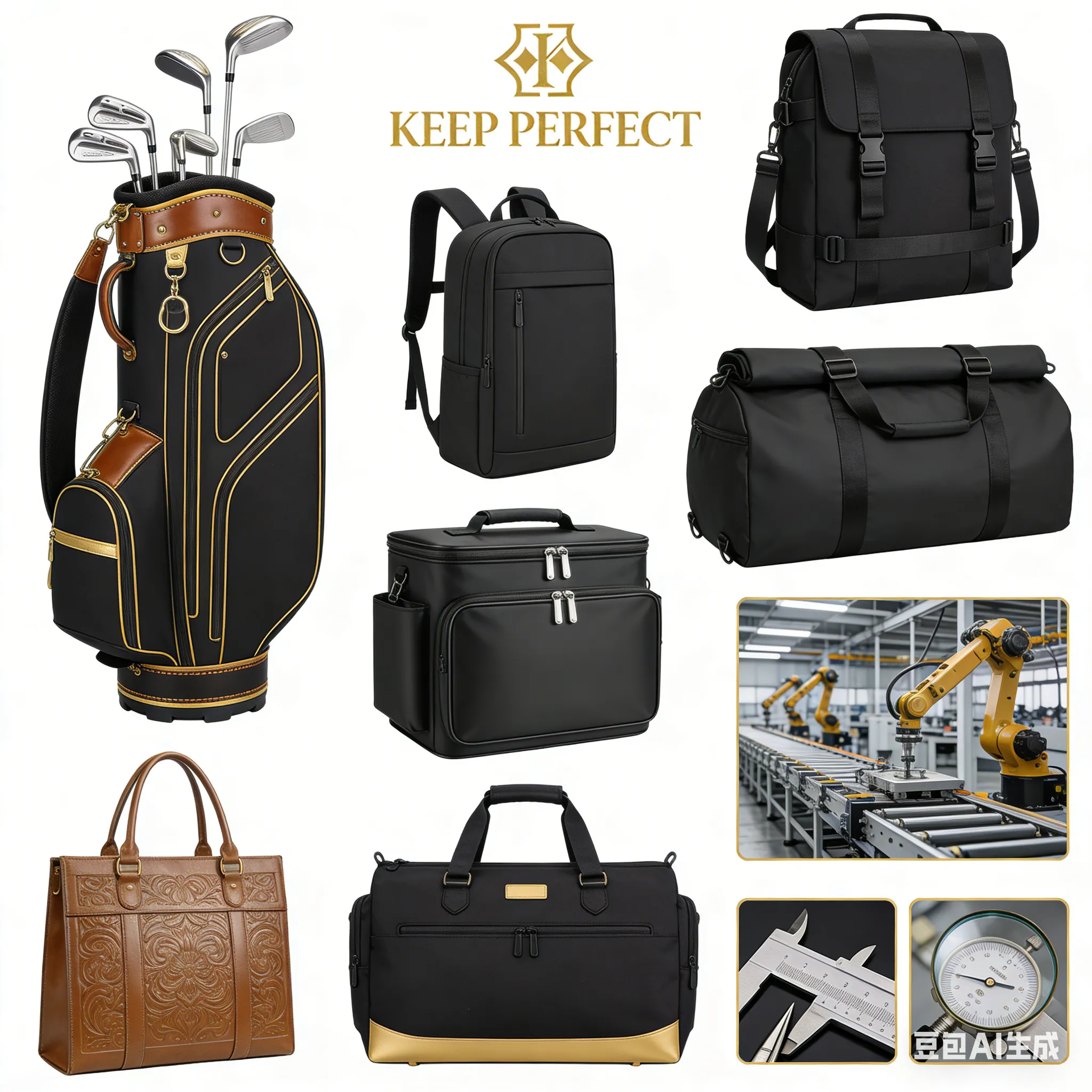
3. How to Choose the Right Bag Manufacturing Factory
Selecting the right manufacturing partner is the single most important decision in your bag sourcing journey. Here are the key criteria to evaluate:
3.1 Certifications & Compliance
Always verify that the factory holds relevant certifications. At minimum, look for:
- BSCI (Business Social Compliance Initiative) — ensures ethical labor practices
- ISO 9001:2015 — quality management system certification
- SEDEX — supply chain ethics and transparency
Junyuan Bags holds all three certifications (BSCI, ISO 9001:2015, SEDEX), and we welcome third-party audits at any time. Learn more about our compliance record.
3.2 Production Capacity & Scale
Match the factory’s capacity to your order volume. A factory producing 50,000 bags/year may struggle with a 10,000-piece order, while a 500K+ capacity facility like ours can handle your growth from startup to enterprise scale without switching vendors.
3.3 Product Range & Specialization
Some factories specialize in a single product type (e.g., only backpacks), while others offer broader capabilities. With 93+ product categories ranging from backpacks to golf bags, cooler bags, tool bags, and cosmetic bags, we can consolidate your entire product line under one roof.
3.4 Sampling Capability
A factory’s sampling speed and quality is the best predictor of production quality. We offer 5-7 day rapid sampling with full tech pack review, material sourcing, and physical prototype creation. Request a free sample quote to evaluate our capability firsthand.
3.5 Communication & Responsiveness
Time zones and language barriers can derail projects. Our English-speaking sales and project management team responds within 24 hours and provides dedicated support throughout your entire production cycle.
4. Product Category Overview: 93+ Custom Bag Types
A reliable bag manufacturer should offer comprehensive product coverage. Here’s an overview of our main categories:
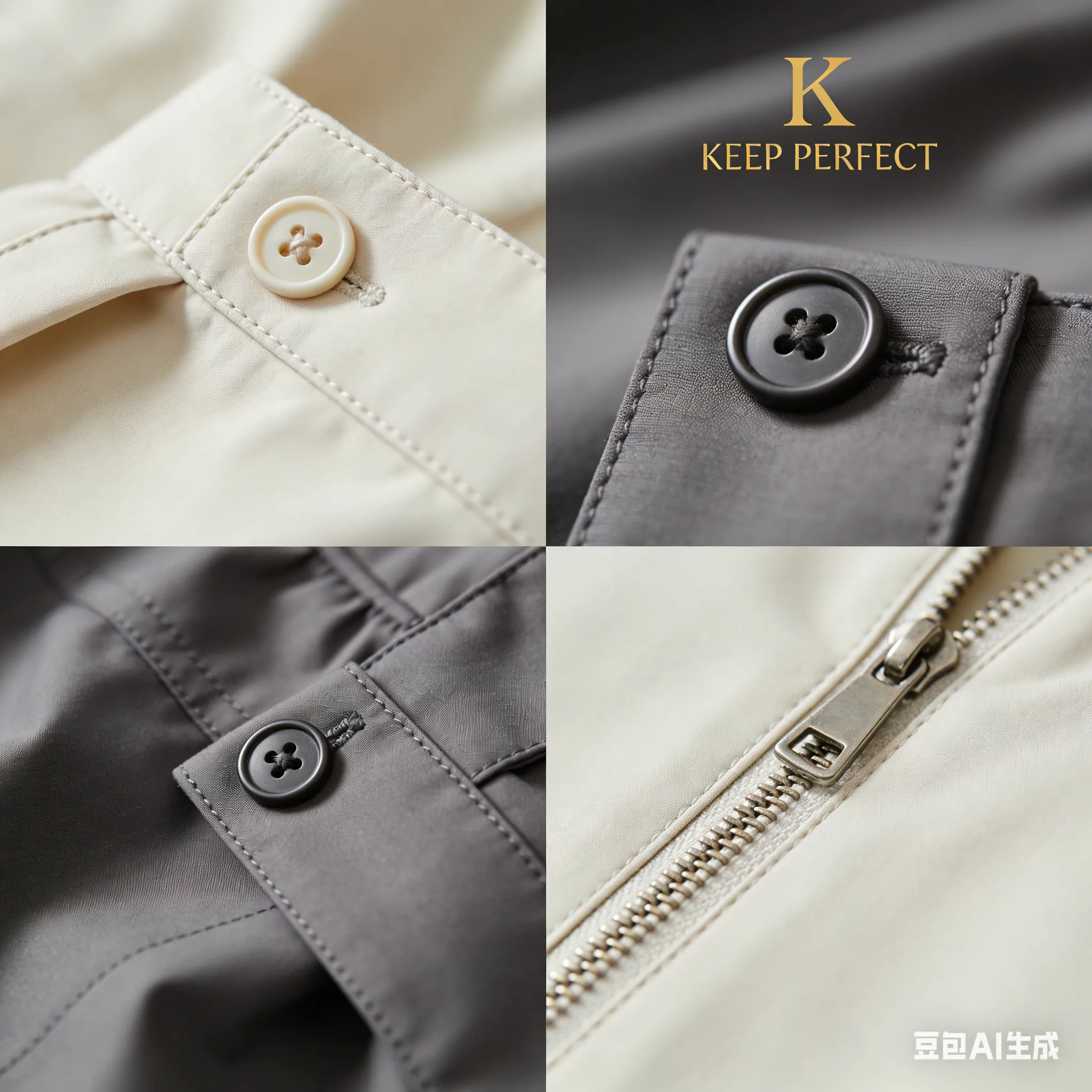
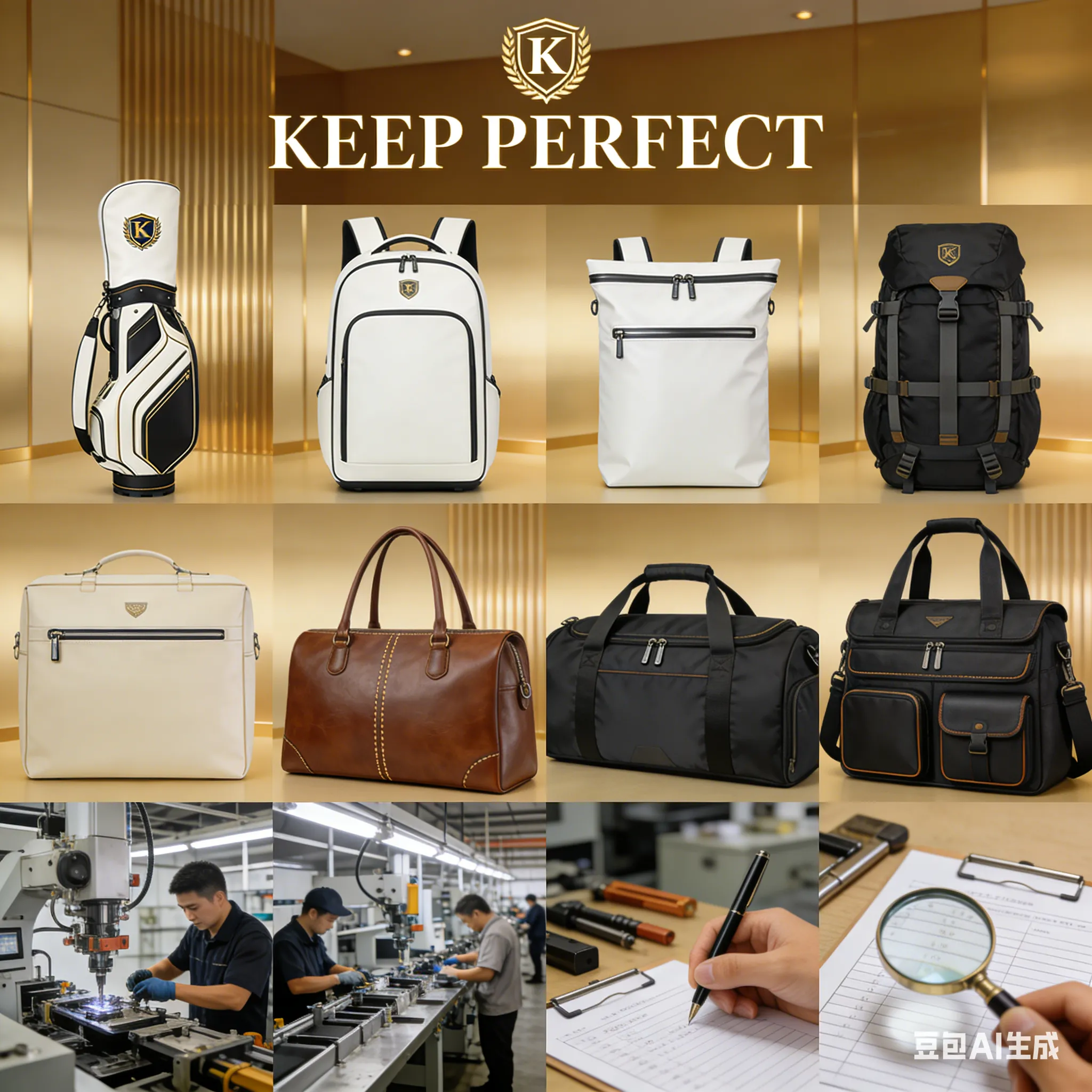
- Backpacks: Standard backpacks, laptop backpacks, tactical backpacks, school backpacks, travel backpacks, outdoor backpacks, sports backpacks
- Tote & Carry Bags: Tote bags, cotton bags, jute bags, mesh bags
- Travel & Duffel: Duffel bags, travel bags, luggage, carry-on bags
- Golf Bags: Standard golf bags, stand bags, cart bags, staff bags, travel covers
- Specialty Bags: Cooler bags, diaper bags, medical bags, pet carriers, camera bags
- Tool & Work Bags: Tool bags, tool backpacks, electrician bags
- Fashion & Accessories: Cosmetic bags, waist bags, sling bags, handbags, evening bags
Each category has its own dedicated page with detailed specifications, material options, and customization possibilities. Browse our full product catalog.
5. Understanding MOQ: Minimum Order Quantities Explained
MOQ (Minimum Order Quantity) is one of the most common questions we receive. Here’s how it works at Junyuan Bags:
- Standard MOQ: 500 pieces per style per color
- Simple items (drawstring bags, tote bags, pouches): As low as 100-200 pieces
- Complex items (technical backpacks, custom-molded EVA cases): 500-1,000 pieces depending on customization level
MOQ exists because of the setup costs involved in production: pattern cutting, thread color changes, zipper sourcing, logo mold creation, and machine calibration. For repeat orders, we can often reduce MOQs since the setup is already complete.
We also offer mixed-order options: you can combine multiple styles within a single order to meet the total quantity requirement. This is particularly useful for brands launching multiple product categories simultaneously. Contact us to discuss your specific requirements.
6. The Sampling Process: From Sketch to Physical Prototype
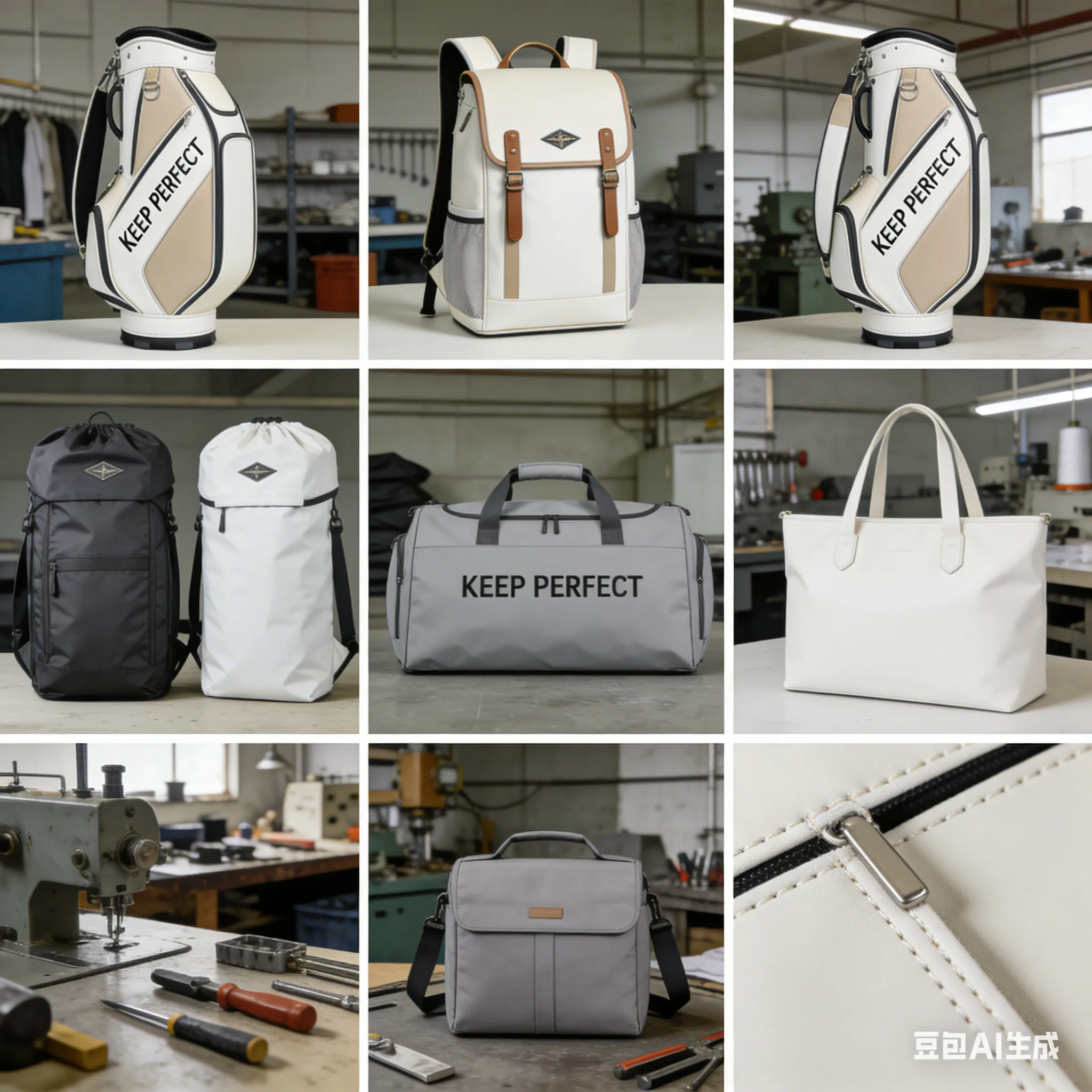
The sampling phase is where your concept becomes reality. Here’s our proven 5-step sampling process:
- Brief & Tech Pack Review (Day 1-2): We analyze your design, materials, dimensions, and requirements. If you only have a sketch or reference photo, our design team creates a full tech pack.
- Material Sourcing (Day 2-3): We source fabrics, zippers, buckles, foam, and hardware from our trusted supplier network. Material swatches are sent for your approval.
- Pattern Making & Cutting (Day 3-4): Our pattern makers create precision patterns and cut the first sample pieces using CNC machines for accuracy.
- Assembly & Sewing (Day 4-6): Senior sample makers hand-assemble the prototype, ensuring every stitch, seam, and component meets specifications.
- Review & Shipping (Day 6-7): The sample undergoes internal QC inspection, is photographed, and shipped to you via express courier (3-5 days international).
Total sampling time: 5-7 business days for standard items. Rush sampling (3-4 days) is available for urgent projects. Read our detailed guide on 10 Steps to Successful OEM Bag Sampling.
7. Quality Control: AQL Standards and Inspection Processes
Quality control is not an afterthought — it’s built into every stage of production. Our 4-step QC process ensures consistency from raw materials to finished goods:
- Incoming Material Inspection (IQC): All fabrics, zippers, buckles, and hardware are inspected upon arrival. We verify material certifications, color fastness, tensile strength, and dimensional accuracy.
- In-Process Quality Control (IPQC): During production, our QC team conducts inline inspections at critical checkpoints: cutting accuracy, stitching quality, zipper alignment, logo placement, and assembly integrity.
- Final Random Inspection (FRI): Before packing, we perform AQL 2.5/4.0 random sampling inspection according to ISO 2859-1 standards. This statistically valid method ensures batch quality without inspecting every single unit.
- Pre-Shipment Inspection (PSI): A final comprehensive check of packing accuracy, carton markings, barcode scanning, and shipping documentation.
We also support third-party inspections from SGS, Bureau Veritas, and Intertek. Download our free QC checklist template to understand what to look for when evaluating bag quality. For a deeper dive, read our guide on the 4-Step QC Process for Custom Bag Manufacturing.
8. Shipping & Logistics: Getting Your Bags to Market
Located in Quanzhou, Fujian Province, we have direct access to two of China’s busiest export ports: Xiamen (40 minutes) and Shenzhen (3 hours). This strategic location enables competitive freight rates and fast transit times globally.
| Destination | Sea Freight | Air Freight | Express |
|---|---|---|---|
| United States (West Coast) | 18-22 days | 5-7 days | 3-5 days |
| United States (East Coast) | 28-32 days | 6-8 days | 4-6 days |
| Europe (UK/Germany) | 25-30 days | 5-7 days | 3-5 days |
| Australia | 15-20 days | 4-6 days | 3-4 days |
| Canada | 22-28 days | 5-7 days | 3-5 days |
We offer FOB Xiamen/Shenzhen, CIF, and DDP terms depending on your preference. Our logistics team handles all export documentation, customs clearance, and container loading supervision. For smaller orders or samples, we ship via DHL, FedEx, or UPS with full tracking.
9. Cost Factors That Affect Your Per-Unit Price
Understanding what drives the cost of custom bag manufacturing helps you make smarter decisions. The main cost factors include:
- Material choice: Standard polyester (lowest cost) → nylon → canvas → PU leather → genuine leather (highest cost). Eco-friendly materials like RPET may carry a 10-20% premium.
- Order quantity: Higher volumes reduce per-unit cost through material bulk pricing and amortized setup costs
- Complexity: More pockets, zippers, compartments, and construction steps increase labor time and cost
- Customization: Custom-printed fabrics, embossed logos, custom zipper pulls, and branded hardware add to the cost
- Packaging: Basic polybag is standard; custom boxes, hang tags, and retail-ready packaging add cost
For a detailed cost breakdown, request a free quote with your specifications and we’ll provide a transparent, itemized cost analysis within 24 hours.
10. How to Get Started with Custom Bag MFG
Starting your custom bag project with Junyuan Bags is simple:
- Submit Your Inquiry: Fill out our contact form or email us at service@junyuanbags.com with your design, reference images, or product requirements.
- Receive Your Quote: We’ll respond within 24 hours with a detailed quotation including materials, MOQ, sampling cost, production timeline, and shipping estimates.
- Approve & Sample: Once pricing is agreed, we create a physical sample (5-7 days) for your approval.
- Mass Production: After sample approval, production typically takes 25-40 days depending on order quantity and complexity.
- Quality Inspection & Shipping: Final QC inspection, packing, and global delivery to your warehouse or fulfillment center.
Ready to Start Your Custom Bag Project?
Get a free quote from Junyuan Bags — BSCI & ISO 9001 certified, 20+ years experience, 93+ product categories, 500,000+ bags/year capacity.
Get a Free Quote Chat on WhatsAppFrequently Asked Questions
Q: What is the typical lead time from order to delivery?
A: Sampling takes 5-7 days. Mass production takes 25-40 days depending on quantity. Shipping adds 3-32 days depending on method and destination. Total: approximately 6-10 weeks from order confirmation to delivery.
Q: Can you help with design if I only have an idea?
A: Absolutely. Our R&D team of 15+ designers can turn your rough sketches, reference photos, or even verbal descriptions into production-ready tech packs and physical prototypes. This is our ODM service model.
Q: Do you offer eco-friendly and sustainable materials?
A: Yes. We offer GRS-certified RPET (recycled polyester), organic cotton, bamboo fiber fabrics, and PFAS-free DWR coatings. We can also source specific sustainable materials per your requirements.
Q: What payment terms do you accept?
A: Standard terms are 30% deposit upon order confirmation, 70% balance before shipment. We accept T/T (bank transfer), L/C, and Western Union. For long-term partners, we can discuss more flexible terms.
Q: Can I visit your factory?
A: We welcome factory visits! You can explore our facility virtually or schedule an in-person tour. We can also arrange video calls for real-time factory walkthroughs.