10 Steps to Successful OEM Bag Sampling (Avoid Costly Mistakes)
Plan how to run a oem bag manufacturing program for United States: materials, tech pack, sampling, QC and shipping. Get OEM/ODM-ready checklists and quote
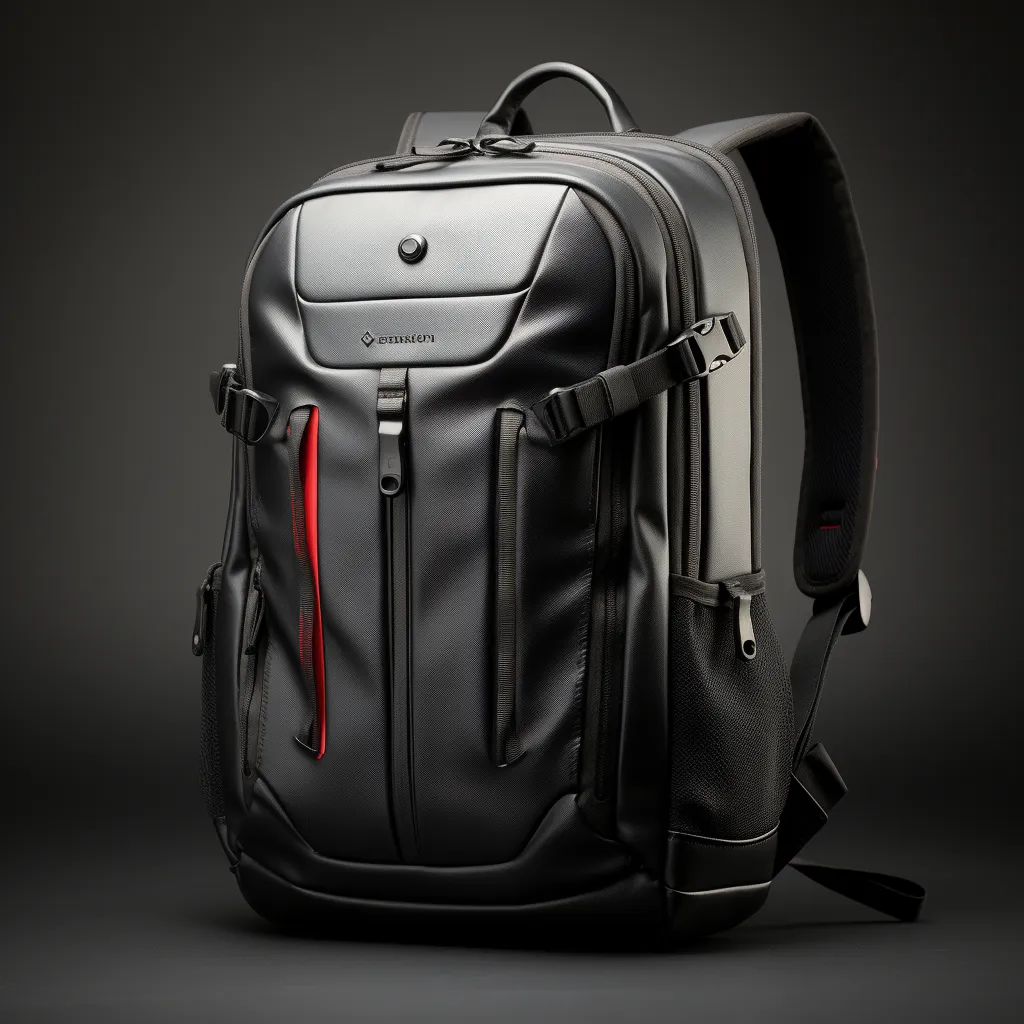

How a Custom Bag Actually Gets Made, Step by Step
A professional custom bag program is a controlled workflow: clarify requirements, lock the build route, validate with measurable gates, then scale production with repeatable QC.
If you are targeting United States with a premium positioning, the key is to prevent variance: materials, trims, workmanship and packout rules must be written and checked.
Primary SEO focus: oem bag manufacturing. The second tier covers a custom bag manufacturer term, OEM ODM bags, private-label bags and custom-logo bags.
What the production team controls (process, not hype)
- ISO 9001 & BSCI certified professional OEM/ODM manufacturer
- Full customization: logo, size, material, color, structure, packaging
- Free professional design & 3D rendering service
Buyers often judge factories by “nice samples”. That is not enough. True separation between plants shows up in three places: repeat builds, controlled defect levels, and dates that are met.
A useful visit audits control points; it should never feel like a showroom tour.
Workflow on the production floor: step by step
- RFQ alignment: confirm claim scope, target cost, and packout rules before sampling.
- By spec, material sourcing locks the coating/laminate spec, fabric route and trim vendors.
- Pattern & measurement control: create templates, tolerance map, and reinforcement plan.
- Keep shade lots in order; verify marker efficiency and grain direction when cutting.
- Critical-zone reinforcement, then seam allowance and stitch spec, enforced at sewing or welding.
- Use placement jigs during final assembly to install hardware, logos and accessories.
- Inspection & packing: apply AQL sampling, carton marking, and shipping documents.
Typical buyer use scenarios
- brand launches
- wholesale programs
- corporate procurement
- retail distribution
Key functions buyers request most
- custom sizing
- durable construction
- logo branding options
- retail-ready packaging
- consistent QC
Choosing the Best Materials for Custom Bags
Material choice is not just “fabric”. The route runs shell, then coating/laminate, lining, seam strategy and closures. The simplest acceptable process is set by your performance assertions and budget aim.
As a first step choose 1–2 routes from the table underneath; second, verify them against ISO, AATCC and ASTM sampling and tests.
| Material | Performance | Cost Range | Preferred For | Upsides & Watch-outs | Risks & How to Control |
|---|---|---|---|---|---|
| PU coated polyester (600D, per the specification) | Good repellency (ISO 4920 / AATCC 22 to spec); moderate barrier (ISO 811 as specified) | US$1.2–6.0 / meter (per the specification) | Value/core lines where print clarity matters | Upsides: cost controlled. Trade-offs: coating wear over time | Define spray rating targets and abrasion benchmarks; protect high-wear zones |
| Recycled RPET (route, per the specification) | Sustainability positioning; performance depends on coating/laminate (ISO 4920 / ISO 811 per spec) | US$1.5–3.8 / meter (to spec) | Eco positioning programs and corporate procurement | Advantages: sustainability narrative. Trade-offs: supply stability and lot drift risks | Lock supplier lots, traceability and color delta; validate print and coating compatibility |
| Canvas / cotton (per the specification) | Good hand-feel and print; waterproofing depends on finish (AATCC 22 to spec) | US$1.0–3.5 / meter (per the specification) | Retail lifestyle lines, totes and promotions | Merits: classic look. Limitations: heavier; stain risk without finish | Define shrinkage and colorfastness tests (AATCC 61 / ISO 105 to spec); specify lamination if needed |
How to shortlist materials fast
- Start from the scenario: abrasion zones, load points, and water exposure define the route.
- Main compartment only is one option; decide if the claim spans the whole bag or zones.
- Cite the ISO, AATCC or ASTM references in your pack and state what passes.
- Pick trims that suit the chosen route: zipper type, sliders, buckles and webbing strength.
- Print and branding compatibility is confirmed on the real fabric.
- Evaluate transit rubbing risk, because visible creases are freight damage far more often than stitching faults.
In the tech pack, test references must be recorded as by spec, a factory note. Without this step, pass criteria are beyond the supplier's control and “waterproof” turns into a conflict rather than a specification.
Plan compliance early when selling into the EU/UK or a regulated channel; material restrictions and labeling rules should follow the spec. Late do-overs on trims and packing are avoided.
Custom Design & Development Process
The fastest way to reduce cost and lead time is a stronger tech pack. A tech pack is not a PDF for show—it's the production contract: BOM, artwork files, measurements, tolerances, stitch spec, reinforcement map and packaging rules.
Watch out when the sample looks right but packaging rules, test method, stitch spec, tolerances and BOM are missing from the locked tech pack. Quality shifts between runs, with surprise faults arriving in bulk.
What to include in a buyer-ready tech pack
- Bill of input materials (BOM): fabric route, coating/laminate, lining, foam, webbing, thread, binding, trims
- Artwork files: vector format, color codes, size, and placement coordinates
- Construction notes: stitch type, stitch density, seam allowance, reinforcement mapping
- Metal parts specs: zipper type and size, slider, buckle strength class, metal vs plastic
- Branding method: print/embroidery/patch method, backing, and acceptance examples
- Retail packing spec: insert, polybag, carton count, carton marking, barcode placement
- Testing plan: references and pass criteria (ISO/AATCC/ASTM per the specification)
- QC checkpoints: what to check at IQC/IPQC/FQC and defect examples
- Revision control: version number, change log, and approval record
OEM/ODM development flow (practical)
- Define target user, price band and positioning.
- Lock claim scope, then confirm the test plan to spec.
- To build it, add the BOM, then the measurement table, then the tolerance map, then artwork placement.
- Prototype sampling validates fit, structure and the material route.
- By PP, BOM and packaging route are final.
- First, sign the QC checklists and golden sample; only then cut bulk.
Sampling checklist (avoid costly mistakes)
- Confirm fabric shade and coating feel with the actual supplier lot (per the specification).
- The mark's location gets a template check against the actual print method first.
- Testing to spec means stressing the webbing, the handles and each D-ring junction.
- Sign off cycles per spec only after zipper path and slider feel are checked.
- Run the open/close and pack cycle many times: corner wear and seam creep are what to watch.
- A final BOM and a final packing route go into the PP sample awaiting approval.
What shortens the sampling loop
- Flexible MOQ for small brands & corporate orders
- Bulk production: 35-50 days from confirmed sample and material receipt
- Global shipping: FOB, CIF, DDP available
Repeatability beats one-off samples
Success example (anonymized): a premium program targeting United States reduced rework by freezing a single tech pack, running one pre-production sample using the final BOM, and aligning QC checkpoints before cutting. Reproducible builds remove the annual need to qualify someone new when reordering.
Production & Manufacturing Methods for Bags
Manufacturing method selection depends on silhouette and performance targets. The claim scope still has to be met, so most programmes win with the simplest repeatable construction.
Ordering choices get clearer once you compare lead time, MOQ requirements and cost bands in the table.
| Production Type | Lead Time | MOQ | Cost Level | Leading For |
|---|---|---|---|---|
| Small-batch pilot run | 6-10 working days + 35-50 days | 500 pcs | medium | Startups, corporate gifting, SKU validation |
| Standard OEM mass production | 35-50 days | medium–high (per the specification) | optimized | Retail replenishment and stable demand |
| Expedited production program | 15–25 days (as specified) | by program | higher | Time-critical launches |
| New tooling / new input materials route | sampling + production to spec | per the specification | premium | New silhouettes and claim-led innovation |
Manufacturing methods you should specify (by spec)
- Seam construction and reinforcement mapping (anchors, corners, zipper ends, base wear zones)
- Bonding / lamination requirements and peel strength targets (as specified)
- Foam thickness and density for structure (as specified)
- Edge binding method and tolerance for clean finishing
- Fittings installation: jigs, torque control, and anti-loosening measures (as specified)
If you want to move from ODM to full OEM, lock the BOM and measurement tolerances first. Even results across bulk lots are achieved through this measure.
Quality issues multiply rapidly in bulk runs. QC detection should sit inline, not wait for the closing inspection to somehow capture every flaw.
Custom Branding, Logo & Final Assembly
Branding fails when placement rules are vague. No drift happens if proofs are approved on the final material and placement follows templates.
Define acceptance criteria at the start for premium logo packages, embroidery, rubber patch, metal logo and custom puller: edge sharpness and misalignment tolerance, plus color delta, by spec.
Logo methods we can support (select 1–2 per SKU)
- Screen print / heat transfer (best for clean graphics and scale)
- Woven/TPU/rubber patch (durable, consistent placement with jigs)
- Custom zipper puller / metal logo (premium trims, longer lead time)
Final assembly controls that prevent returns
- Logo alignment check against placement template
- Zipper end reinforcement and smoothness check
- Visual check for wrinkles, creases, and surface scuffs before packing
Shipping, Logistics & Order Fulfillment
Shipping is part of product quality. Carton choice, packing rules and moisture shielding are what make one shipment feel premium and another broken.
Bookings can be made DDP, CIF, or FOB. Cartons only arrive retail-ready if compliance, labelling and barcode requirements were aligned before the build.
Logistics execution gates
- Confirm packaging spec (inner polybag, inserts, carton marking).
- Warehouse scanning needs labeling, barcodes and carton counts locked.
- Factor in extra time for the inspection stage and export documents.
Practical tip: watch packaging and labeling first if Amazon or large retailers are the sales channel, since rejection often starts there. Specify the packing elements up front, never at the end.
Key Factors to Choose a Reliable Bags Manufacturer
Choosing a supplier is risk management. A credible plant proves it controls the process, because materials get inspected, QC runs inline, and pre-shipment inspection follows your acceptance criteria.
Signing an OEM/ODM bags agreement? Clear this checklist beforehand.
Manufacturer selection checklist
- Can they quote from a tech pack and explain assumptions?
- Can they source the BOM and also suggest alternatives that meet spec?
- Is there an AQL plan, and do QC checkpoints cover IQC through IPQC into FQC?
- Can workmanship survive a flexible MOQ arrangement?
- Can you expect firm lead times and a clear escalation procedure?
- Does their track record include packaging and shipping into your market?
Site audit checklist (what to check in person)
- Workmanship standards board and defect examples
- Needle control and metal detection process (if required to spec)
- Inline QC stations and sampling frequency
- Measurement tools calibration and template storage
- Corrective action loop: how issues are documented and closed
Capability summary
- Sustainable options: RPET, recycled nylon, eco-friendly fabrics
- Strong at structured bags: stand bags, hard-base bags, specialized tooling
- Multi-stage QC system: incoming material → inline → pre-shipment
Frequently Asked Questions (FAQs)
What is a realistic MOQ for custom bag OEM?
MOQ varies with material route, trims and the branding package. Corporate orders and emerging labels can both be accommodated: 500 pcs is the practical range, with MOQ is 500 units.
Getting an exact quote depends on which details?
To quote: a full tech pack or reference sample, fabric and finish target, how the logo is applied, per-colour quantities, packaging requirements, FOB/CIF/DDP shipping terms.
How much time should you budget for sampling and production?
Material lead times and complexity set the pace: 6-10 working days to sample, 35-50 days for the production run.
What governs quality once an order is bulk?
Three-tier QC, covering fabric intake review, in-process workmanship checks and final pre-shipment review, should match both your AQL sampling plan and acceptance criteria.
Does ODM fall within your private label offering?
Yes. Ready silhouettes plus ODM shorten launch time; OEM backs complete customization. Volume growth gives room to evolve out of ODM adaptation into OEM territory fully.
What stops IP and confidential artwork leaking?
An NDA first; then carve out who owns tooling and trims; finally keep each tech pack revision-numbered. Tier the disclosure: each phase receives just its own documents, with access reviewed afterwards.
Are eco-friendly materials offered?
Yes. Supply stability needs and performance targets are served by RPET and recycled nylon choices.
Can DDP terms include drop-off at our warehouse?
Yes. You can ship FOB, CIF or DDP, subject to where it goes and what compliance requires.
Related Blog Posts & Useful Resources
Internal resources
Related blog posts
- Custom Business Backpacks for Professionals & Corporates
- Custom Bag Production Scheduling: Avoid Delays
- Custom Cooler Backpacks: Top Features for Outdoor Brands
- Custom Clear Bags for Events, Stadiums & Schools
- Custom Cooler Bags for Golf, Sports & Events
- Custom Cooler Bags for Beverage & Wine Brands
Next step
Need a quote or sampling plan? With your tech pack or reference photos we can reply with a structured RFQ checklist, plus OEM/ODM options and a lead-time plan.
• Lock keyword and claim scope for oem bag manufacturing
• Build a tech pack with BOM + tolerance map
• Choose materials route and validate tests (by spec)
• Plan sampling gates (lead time 6-10 working days)
• Set MOQ and cost targets (MOQ 500 pcs)
• Define QC plan and AQL checkpoints
• Confirm production + shipping timeline (25–35 days)

Want help with your next bag project?
Your requirements go in; a structured RFQ checklist and manufacturing plan come out.
Specifications in this category are normally verified against ISO 2859-1 (AQL sampling), together with ASTM D5034 (grab tensile) and AATCC 127 (hydrostatic head) before a purchase order is released.
Related programme guides: custom bag cost structure · sampling and prototyping.
Where Sampling Budgets Actually Disappear
A sample fee is not what breaks a development budget. The calendar is.
The fee itself is modest and recoverable: USD 50–150 per prototype, credited against the first bulk order. What costs real money is the revision loop. A straightforward silhouette comes back in 6–10 working days; a multi-panel build with moulded pulls, hidden magnets or a welded seam needs 12–15. Three avoidable rounds is roughly six weeks of calendar, and the 35–50 day mass production clock does not start until the sample is approved in writing. If you want a launch date, protect the sample schedule before you negotiate anything else.
Tooling is the second leak. Screen frames, embroidery digitising files, heat-transfer plates and custom puller moulds run USD 300–2,500 depending on how much is bespoke. Committing them before the silhouette is frozen means buying them twice. Freeze the shape, then release tooling, then print. That order alone removes most of the The third and least visible cost is internal: every revision consumes pattern-maker and merchandiser time that would otherwise go into the next programme, and programmes that run one disciplined round consistently launch earlier than programmes that run three loose ones, even when the loose ones looked cheaper per sample. rework cost that programmes absorb in their first quarter.
Volume belongs in the same decision. A first programme is quoted at 500 units per style per colour; once the pattern and bill of materials have completed a full bulk cycle, repeat styles can be discussed down to 300. Locking a quantity while the lining weight is still moving is how you end up paying for two sets of material and one cancelled shipment.
The Ten Gates Before You Release a Prototype
Two documents keep the whole process honest: a dated revision log and one physical golden sample. Our production team works to the log and quotes against the sample, which is why a change raised after approval is Three causes account for most third rounds. Unspecified tolerance is the first: a dimension given as 300 mm with no range will be met on the sample and will drift in bulk. An unmeasured reference is the second, where a competitor sample is sent without a drawing and the interior is guessed. Late channel requirements, such as barcode placement or fibre content labelling, are the third, and they tend to arrive after artwork and force a panel change. priced as a change rather than absorbed into the run.
Commercial terms should be settled at gate nine, not discovered later. Quotes come back in 24–48 hours against a complete pack, terms are T/T 30/70, and shipment is quoted FOB Xiamen under Incoterms 2020 with EXW, CIF and DDP available. If you want the development calendar mapped against your launch date, the walkthrough at our bag manufacturing process shows where each gate sits, and the backpack sampling guide covers what to send with the first request.