Custom Business Backpacks for Professionals & Corporates
Understand how to run a custom backpack oem program for United States: materials, tech pack, sampling, QC and shipping. Get OEM/ODM-ready checklists and quote
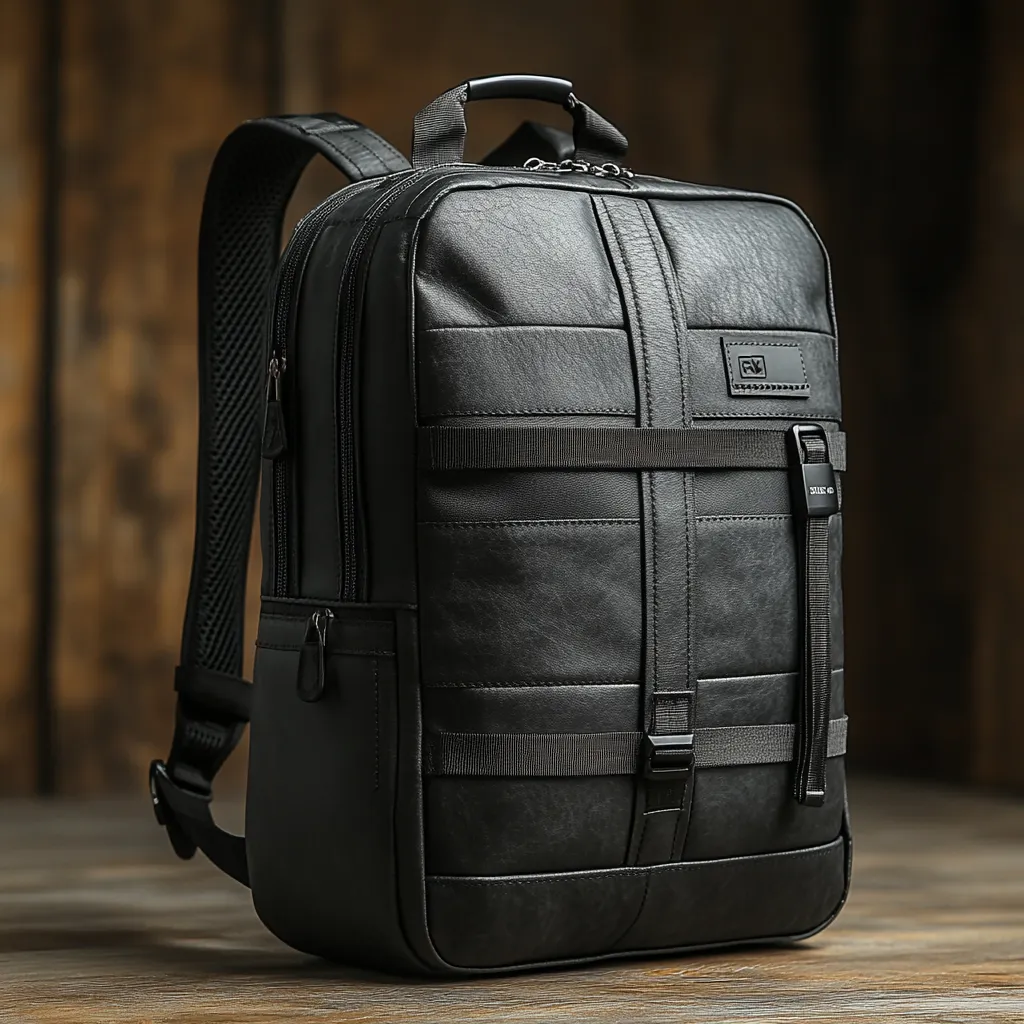
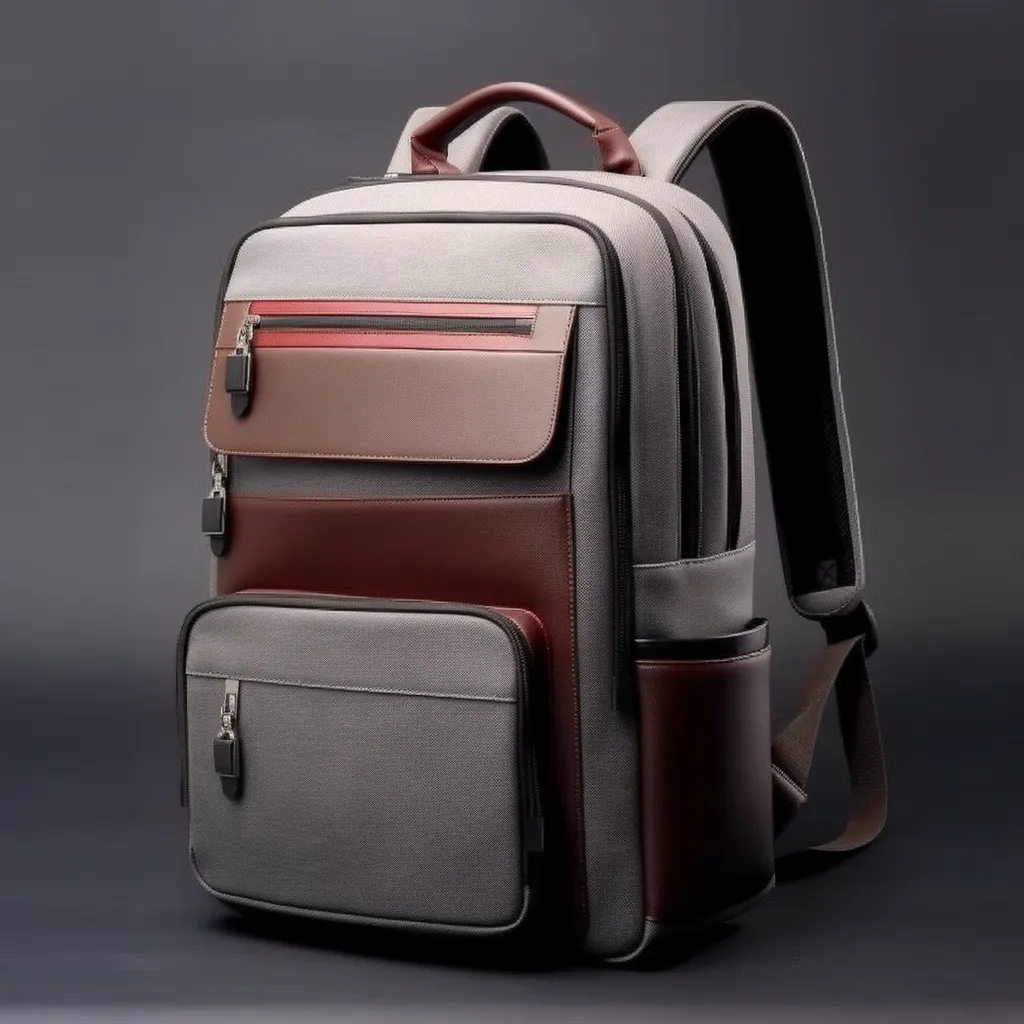
Where a Backpack Gets Made, and How It Moves
The checkpoints that decide whether bulk runs
We keep one authoritative version of this comparison on custom backpack specifications, updated whenever the reference standards move.
Any tour worth taking is a control-point checklist in disguise, not a showroom trip.
How the line handles your SKU
- Lock claim scope, price target and carton rules, and only then sample.
- Within material sourcing, lock by spec: coating/laminate spec, fabric route, trim vendors.
- Pattern work: cut templates, define tolerances, plan the stress-point build-up.
- Cutting stage: check grain direction plus marker efficiency; hold shade lots steady.
- Sewing and welding: hold the line on stitch spec, seam allowance, critical-zone reinforcement.
- At the final assembly stage, placement jigs position logos, hardware and accessories.
- Finish on AQL sampling, correct carton marking and complete documents.
Typical buyer use scenarios
- commute
- school
- travel
- corporate gifting
- outdoor activities
Key functions buyers request most
- laptop sleeve
- breathable back panel
- padded straps
- multi-compartment layout
- durable zippers
Choosing the Best Materials for Custom Backpacks
| Material | Performance | Cost Range | Preferred For | Merits & Limitations | Risks & How to Control |
|---|---|---|---|---|---|
| nylon | Steady wear resistance (ISO 13934 tensile per spec); good abrasion resistance (ISO 12947 as specified); stable for branding | US$1.6–5.5 / meter (per spec) | Main line items with predictable yield | Merits: versatile. Trade-offs: performance depends on coating/finish | Lock coating spec, color tolerance and print compatibility; confirm reinforcement mapping |
| Recycled RPET (route, as specified) | Sustainability positioning; performance depends on coating/laminate (ISO 4920 / ISO 811 as specified) | US$1.5–3.8 / meter (as specified) | Eco positioning programs and corporate procurement | Upsides: sustainability narrative. Limitations: supply stability and lot drift risks | Lock supplier lots, traceability and color delta; validate print and coating compatibility |
| Canvas / cotton (per spec) | Good hand-feel and print; waterproofing depends on finish (AATCC 22 per the specification) | US$1.0–3.5 / meter (per spec) | Retail lifestyle lines, totes and promotions | Advantages: classic look. Trade-offs: heavier; stain risk without finish | Define shrinkage and colorfastness tests (AATCC 61 / ISO 105 to spec); specify lamination if needed |
Triage the material decision
- Decide from the field conditions: rubbing, carrying load and water drive the choice.
- Decide whether the claim covers the whole bag or only zones like the main compartment.
- Every referenced ISO/AATCC/ASTM procedure should be listed, together with the numeric bar for approval.
- Choose route-suitable trims, from zipper type and sliders to buckles and webbing strength.
- Confirm that print and branding suit the specified fabric.
- Scuffing and creasing usually trace to transit, not to stitching defects.
Design, Sampling and Sign-Off
The specification sheet that avoids a second round
- Bill of input materials (BOM): fabric route, coating/laminate, lining, foam, webbing, thread, binding, trims
- Measurement table: critical dimensions and tolerances by zone
- Construction notes: stitch type, stitch density, seam allowance, reinforcement mapping
- Fittings specs: zipper type and size, slider, buckle strength class, metal vs plastic
- Packaging spec: insert, polybag, carton count, carton marking, barcode placement
- QC checkpoints: what to check at IQC/IPQC/FQC and defect examples
What happens first, second and third
- Write down the customer, the price tier and the role it plays.
- Confirm the claim scope and its test plan by spec.
- Artwork placement, tolerance map, measurement table and BOM: four pieces that make the tech pack.
- Fit, structure and material route get validated at prototype sampling.
- Final BOM, final packaging route: the PP stage.
- Sign-off requirement: QC checklists plus the reference sample, ahead of bulk cutting.
Getting the sample right first time
- Confirm artwork location physically on paper before the selected print process runs.
- Load-test every anchor point: webbing, grab handles and D-ring areas, to specification.
- Confirm the zipper path, then slider feel, then the cycle requirement per spec.
- Open, close and repack the product many times, watching for corner wear and seam creep.
- Three things need checking per lane: rub marks, folding lines, and defence against humidity.
- One PP sample, built with the final BOM and final packing route, is what needs approval.
- Lock all changes before bulk cutting; avoid late feature creep.
Reducing back-and-forth before bulk
We keep one authoritative version of this comparison on importing from China, updated whenever the reference standards move.
From first build to annual reorder
Success example (anonymized): a premium program targeting United States reduced rework by freezing a single tech pack, running one pre-production sample using the final BOM, and aligning QC checkpoints before cutting. A construction that can be duplicated means each season's reorder goes to the same partner.
Production & Manufacturing Methods for Backpacks
Weigh MOQ requirements against turnaround duration and price tier using the options table.
Detailed thresholds, sampling levels and test references are consolidated on travel bag specifications so one source stays current for every programme.
Methods and the numbers behind them
Branding Methods and Final Build Steps
Choosing how to apply your logo
A consolidated table would duplicate itself across every article on this topic, so ours sits on cost structure and minimum order quantity and gets the updates.
Keeping returns down at the last station
- Brand mark alignment check against placement template
- Thread trimming and burn control (no loose ends, no scorch marks)
- Zipper end reinforcement and smoothness check
- Visual check for wrinkles, creases, and surface scuffs before packing
Shipping Mode, Cost and Timing
The export sequence, gate by gate
We keep one authoritative version of this comparison on material selection, updated whenever the reference standards move.
Key Factors to Choose a Reliable Backpacks Manufacturer
Use this checklist before signing an OEM/ODM contract for backpacks.
What to ask before you place volume
- Do they price the pack and flag every assumption they made?
- Are alternatives by spec offered, and BOM sourcing controlled by them?
- Do they evidence QC checkpoints, IQC to IPQC to FQC, and an AQL plan?
- Without hurting workmanship, can they allow a flexible MOQ?
- Can they give firm lead time commitments and a defined escalation path?
- Do they bring packaging and shipping know-how that fits your market?
What an audit should look at, line by line
- Workmanship standards board and defect examples
- Inline QC stations and sampling frequency
- Measurement tools calibration and template storage
- Corrective action loop: how issues are documented and closed
- Usable capacity reality: line balance, overtime policy, and peak season plan
Where the value sits
Reference figures for this stage are maintained centrally: see quality control and certification for the current values and how they were derived.
Structuring a Commuter Pack Around a 14 to 16 Inch Device
The device compartment is the reason a professional buys the bag, and it is where specification usually goes wrong. A 16 inch laptop measures about 356 by 248 mm, so the sleeve needs at least 370 by 260 mm of clear interior, and the sleeve must be suspended: a false bottom 15 mm above the base panel stops the corner taking the impact when the bag is put down hard. Corner-drop testing from 760 mm with a 2.5 kg dummy on all twelve edges, corners and faces is the benchmark worth asking for.
Shell material separates a two-year bag from a five-year one. 1680D ballistic nylon and 900D polyester twill dominate this category; the acceptance figure is abrasion, run to ASTM D3884 with CS-10 wheels at 1 kg and no yarn break at 3,000 cycles. Leather trim, where a corporate client asks for it, has to be checked for hexavalent chromium against ISO 17075 at the 3 mg/kg limit, and any metal plate or slider for nickel release against EN 1811.
Organisation is the second purchase driver and the cheapest place to add perceived value: a suspended slip pocket, two pen loops, a cable pass-through with a 25 mm grommet, and an RFID-shielded card pocket. Shielding is measurable rather than mystical, and a pocket that attenuates less than 30 dB at 13.56 MHz is decoration. A trolley pass-through sleeve of about 220 mm and a hidden rear pocket complete the commuter specification.
Quiet Branding and Materials That Survive Daily Commute
Corporate buyers usually want the mark present but understated, which rules out a large front print. The accepted techniques are a debossed leather or PU patch at 50 to 60 mm, tonal embroidery at 8,000 stitches or fewer, or a plated metal badge. Each has a compliance angle: leather carries ISO 17075, metal carries EN 1811 at 0.5 micrograms per square centimetre per week, and embroidery thread is checked for colourfastness to AATCC 8 at grade 4.
- Device bay: 370 by 260 mm clear, 8 mm EPE at 25 kg per cubic metre, 15 mm false bottom.
- Shell: 1680D ballistic nylon, ASTM D3884 at 3,000 cycles with CS-10 wheels under 1 kg.
- Straps: 38 mm webbing with 8 mm EVA foam, breathable spacer mesh facing.
- Closure: #8 reverse coil on PU-coated tape, auto-lock slider on the device bay.
Hardware choice signals quality more than any other single item on a professional pack. A #8 reverse coil zipper on PU-coated tape with an auto-lock slider reads quiet and precise, where a shiny metal chain on an office bag reads wrong and adds weight the user never asked for. Magnetic closures on a front flap are popular but need shielding if the bag routinely sits next to a laptop, and plated components are checked for nickel release to EN 1811 before a corporate order is released.
Gifting programmes add packaging rather than complexity: individual gift box, tissue, and a drop-ship-ready carton. Our production team builds to a 500-piece minimum with sampling in 6 to 10 working days and mass production in 35 to 50 days, inspected to AQL 2.5. QUANZHOU JUNYUAN BAGS quotes FOB Xiamen within 24 to 48 hours. More on costing is available under custom bag cost and MOQ.
Frequently Asked Questions (FAQs)
What interior clearance should a 16 inch laptop sleeve provide?
A 16 inch laptop measures about 356 by 248 mm, so specify a clear interior of at least 370 by 260 mm, giving roughly 10 to 12 mm of ease on each dimension. The sleeve also needs a 15 mm false bottom so the device corner never touches the base seam.
How is laptop protection actually verified rather than assumed?
The bag is loaded with a 2.5 kg dummy device and dropped from 760 mm onto concrete on all faces, edges and corners, twelve drops in total. Acceptance is no housing deformation and no seam opening on the sleeve, with the device powered on afterwards to check function.
What foam specification suits a suspended device compartment?
Use 8 mm EPE at 25 kg per cubic metre on the walls and 15 mm closed-cell foam at the base, wrapped in a brushed tricot facing that will not abrade an anodised finish. Thinner 5 mm foam bottoms out under a 2.5 kg load and fails drop testing.
Which abrasion rating keeps a commuter pack presentable after a year?
1680D ballistic nylon should pass 3,000 cycles under ASTM D3884 with CS-10 wheels at 1 kg with no yarn break, and 900D polyester twill around 2,000 cycles. Below that the base panel and strap edges show fibre lift within twelve months of daily commuting.
How can a corporate logo be applied without looking promotional?
Deboss a 50 to 60 mm leather or PU patch, or use tonal embroidery at 8,000 stitches or fewer placed on the top lid or strap end. Keeping the mark under 60 mm wide and off the front panel is the rule most corporate buyers apply.
What chemical limits apply to leather trim and metal hardware?
Leather is tested to ISO 17075 for hexavalent chromium at the 3 mg/kg limit, and metal components such as badges and sliders to EN 1811 for nickel release at 0.5 micrograms per square centimetre per week. Both are reported per component, not per style.
Does RFID shielding in a card pocket need to be tested?
Yes. Measure attenuation at 13.56 MHz and require at least 30 dB before use, then re-test after 5,000 flex cycles on the pocket. Shielding layers that rely on a thin metallic print often drop below 20 dB once the pocket has been flexed.
What are the order minimum and timeline for a corporate gifting programme?
Minimum order is 500 pieces, with sampling in 6 to 10 working days and mass production in 35 to 50 days from an approved pre-production sample under T/T 30/70. Gift boxing adds 3 to 5 days, and inspection runs to AQL 2.5 with zero tolerance for Critical defects.
Next Steps and Further Guides
Internal resources
- Browse products & categories
- Download RFQ template
- Download QC checklist
- Packing format specification guide
Related blog posts
- Backpack Ergonomics: Padded Straps & Back Support Design
- Airtight Zippers for Waterproof Bags: Everything You Need to Know
- Backpack Lining Materials: Durable & Easy to Clean
- Backpack Hardware: YKK Zippers & Duraflex Buckles
- Backpack Stitching Standards for Long-Lasting Quality
- Backpack Size & Capacity Guide: 20L, 30L, 40L+
Next step
• Lock keyword and claim scope for custom backpack oem
• Build a tech pack with BOM + tolerance map
• Choose materials route and validate tests (by spec)
• Plan sampling gates (lead time 6-10 working days)
• Set MOQ and cost targets (MOQ 500 pcs)
• Define QC plan and AQL checkpoints
• Confirm production + shipping timeline (25–35 days)
Let's scope your next order
Send over your requirements; a manufacturing plan and structured RFQ checklist are prepared for you.
Next guides: custom backpacks.
Device Fit, Organisation and the Professional Silhouette
A commuter pack succeeds or fails on three measurable things before aesthetics enter the conversation: whether the primary device fits with its case on, whether the bag holds its shape when partially loaded, and whether it slides under an aeroplane seat without being forced. Those three determine returns far more than colour does. Getting them right requires dimensions rather than adjectives — which is why we ask new clients to specify their device sizes in millimetres and tell us whether the sleeve must accept a protective case.
Sleeve sizing should be stated as internal clear opening, not nominal screen size. A 15.6-inch laptop generally needs clearance beyond the nominal diagonal because most of today's machines have bezels and protective shells that add several millimetres to each edge; specifying a sleeve cut to the nominal diagonal almost guarantees a tight fit or a customer complaint. Add 8–12 mm of ease in both directions and require a suspended construction so the device does not bottom out against the seam — that detail alone prevents cracked corners when a loaded bag is set down hard.
| Device class | Internal sleeve clearance | Suspension | Recommended shell |
|---|---|---|---|
| 13-inch ultrabook | 325 × 225 mm | 10 mm from base, closed-cell foam | Nylon 420D or 840D |
| 14-inch business laptop | 340 × 240 mm | 10 mm with a hang panel | Polyester 900D for structure |
| 15.6-inch workstation | 390 × 265 mm | 12 mm with reinforced corner taping | Nylon 1680D ballistic base panel |
| 16-inch creator laptop | 400 × 275 mm | 12 mm plus a rigid mid-layer | Polyester 1200D or laminated TPU fabric |
| Tablet with keyboard folio | 300 × 220 mm | Soft brushed tricot facing | Matching body fabric |
Organisation Panels, Security Details and Acceptance Testing
Organisation is where business packs differentiate, and also where they lose money — each additional slip pocket adds operations and hence labour minutes. Spend those minutes deliberately. A pen loop strip, two slip pockets and a zipped security pocket behind the back panel answers most professional needs; beyond that the marginal utility falls rapidly. If you want a finished look, use a lighter 300D liner in a contrasting shade so the interior reads as considered design rather than an afterthought, and check the lining against AATCC 8 crocking where it contacts light-coloured documents.
Security and convenience features have their own verification requirements. RFID-blocking linings are occasionally requested; note that the shielding is a layer property, so specify the coverage area in square centimetres rather than writing the words on a hangtag. A trolley pass-through must be dimensioned against common handle widths and, if you claim water resistance anywhere on the pack, back it with AATCC 22 spray testing and AATCC 127 hydrostatic head thresholds rather than relying on a coating name. Where leather or leather-look panels appear, ask for ISO 17075 chromium VI screening and REACH (EC 1907/2006) declarations.
Finally, test how the product travels. Drop and vibration testing under ISTA 3A on the packed carton protects against the most common transit damage: crushed corners, scuffed hardware and deformed base panels. Combine it with an ISO 13934-1 tensile check on the shoulder webbing and a cycle test against QB/T zipper standards for the main closure, then release inspection under ISO 2859-1 at AQL 2.5 with critical defects at zero. Indicative pricing at a 500-unit minimum lands in the USD 7.00–14.00 FOB Xiamen band for laptop-capable packs, with sampling 6–10 working days. See the wider laptop bag category or explore standard custom backpack construction.
Presentation deserves more attention than it usually receives in this category. Because these bags are frequently issued alongside corporate apparel, consistency matters as much as the product: the same black across a jacket, a folio and a backpack reads as a uniform, whereas a mismatch reads as a procurement error. We retain approved swatch references against each account for exactly that reason, and we ask you to sign off physical references rather than digital colour values alone, since screen and print perception diverge most on dark neutrals. Declare the distribution channel at quotation too — individually polybagged units suit onward staff distribution, while flat-packed retail cartons with barcode labels suit shop-floor handling — so packing and marking enter the cost rather than appearing at the carton stage.
Numbers age badly when copied into dozens of places, so the maintained version of this grid stays on quality control and certification.
Rather than repeat the same matrix here, keep the detailed grading with the central reference on material selection — it lists the acceptance numbers and sampling levels our team works to.