Backpack Trends 2026: Minimalist & Functional
Discover how to run a custom backpack oem program for Global: materials, tech pack, sampling, QC and shipping. Get OEM/ODM-ready checklists and quote guidance.
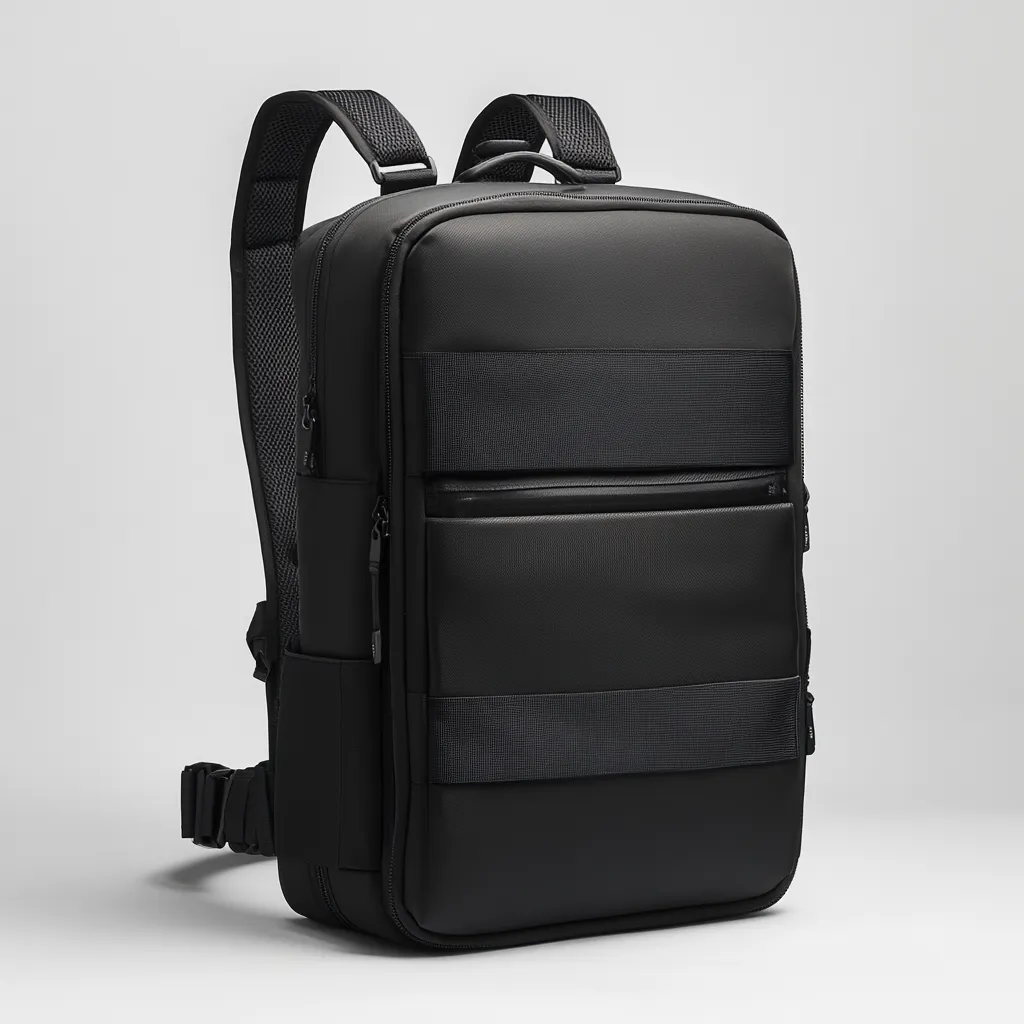
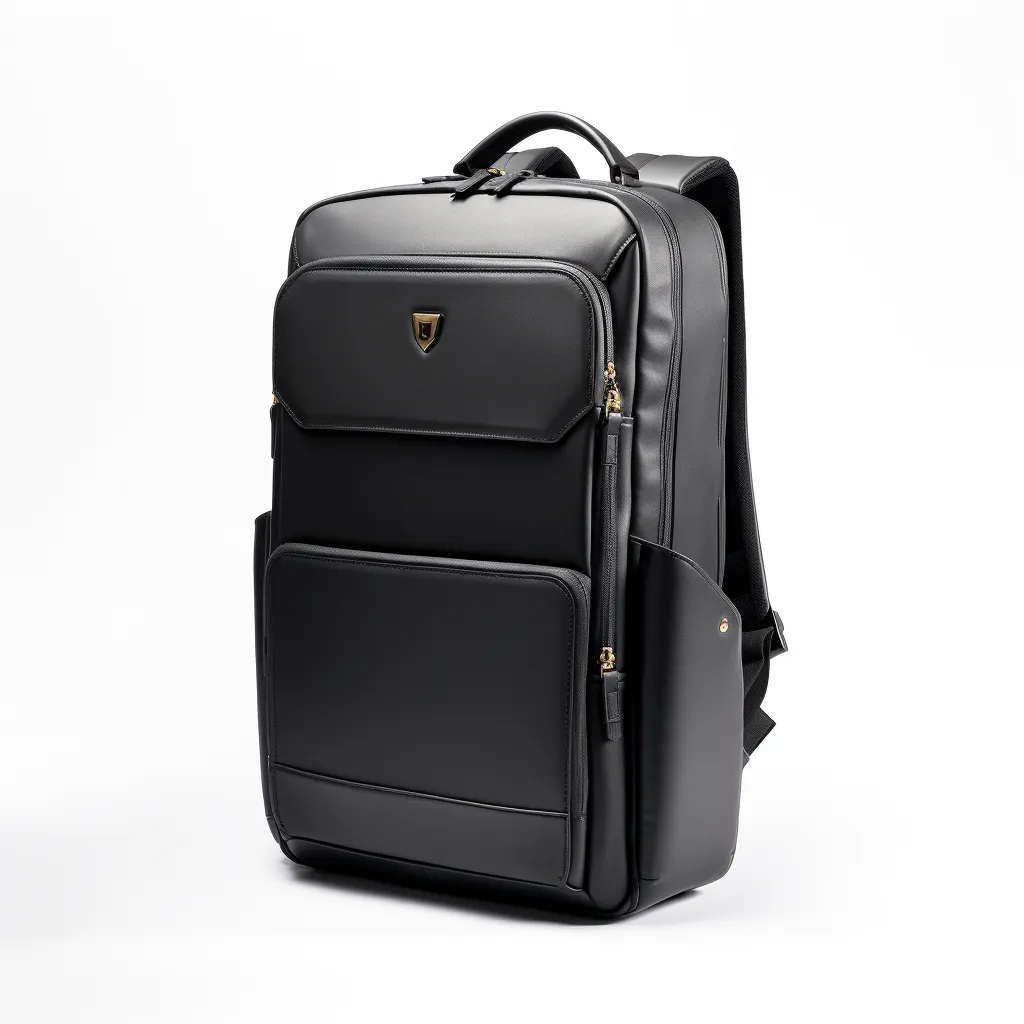
The Production Path a Backpack Follows
If you are targeting Global with a premium positioning, the key is to prevent variance: materials, trims, workmanship and packout rules must be written and checked.
Process controls behind a repeatable build
- ISO 9001 & BSCI certified professional OEM/ODM manufacturer
- Full customization: logo, size, material, color, structure, packaging
- Free professional design & 3D rendering service
Any tour worth taking is a control-point checklist in disguise, not a showroom trip.
Each stage, in the order it happens
- Get the brief straight first: claim, cost target and packing spec, then cut samples.
- Within material sourcing, lock by spec: coating/laminate spec, fabric route, trim vendors.
- Templates, tolerance bands and a reinforcement plan come next.
- Cutting stage: check grain direction plus marker efficiency; hold shade lots steady.
- Sewing and welding: hold the line on stitch spec, seam allowance, critical-zone reinforcement.
- At the final assembly stage, placement jigs position logos, hardware and accessories.
- Inspect to AQL, mark the cartons and raise the shipping documents.
Typical buyer use scenarios
- commute
- school
- travel
- corporate gifting
- outdoor activities
Key functions buyers request most
- laptop sleeve
- breathable back panel
- padded straps
- multi-compartment layout
- durable zippers
Choosing the Best Materials for Custom Backpacks
| Material | Performance | Cost Range | Preferred For | Advantages & Limitations | Risks & How to Control |
|---|---|---|---|---|---|
| nylon | Even-handed wear resistance (ISO 13934 tensile per spec); good scuff resistance (ISO 12947 to spec); stable for branding | US$1.6–5.5 / meter (as specified) | Main line items with predictable yield | Upsides: versatile. Watch-outs: performance depends on coating/finish | Lock coating spec, color tolerance and print compatibility; confirm reinforcement mapping |
| PU coated polyester (600D, per spec) | Good repellency (ISO 4920 / AATCC 22 per the specification); moderate barrier (ISO 811 to spec) | US$1.2–6.0 / meter (per spec) | Value/core lines where print clarity matters | Advantages: cost controlled. Watch-outs: coating wear over time | Define spray rating targets and abrasion benchmarks; protect high-wear zones |
| Recycled RPET (route, per the specification) | Sustainability positioning; performance depends on coating/laminate (ISO 4920 / ISO 811 per spec) | US$1.5–3.8 / meter (per spec) | Eco positioning programs and corporate procurement | Advantages: sustainability narrative. Watch-outs: supply stability and lot drift risks | Lock supplier lots, traceability and color delta; validate print and coating compatibility |
Getting to two or three candidate fabrics
- Let the use case lead: abrasion, load paths and moisture pick the fabric for you.
- Decide whether the claim covers the whole bag or only zones like the main compartment.
- Every referenced ISO/AATCC/ASTM procedure should be listed, together with the numeric bar for approval.
- Choose route-suitable trims, from zipper type and sliders to buckles and webbing strength.
- Confirm that print and branding suit the specified fabric.
- Scuffing and creasing usually trace to transit, not to stitching defects.
Development Sequence for a Custom Build
Fields your tech pack cannot skip
- Bill of raw inputs (BOM): fabric route, coating/laminate, lining, foam, webbing, thread, binding, trims
- Artwork files: vector format, color codes, size, and placement coordinates
- Measurement table: critical dimensions and tolerances by zone
- Trims and hardware specs: zipper type and size, slider, buckle strength class, metal vs plastic
- Branding method: print/embroidery/patch method, backing, and acceptance examples
- Packaging spec: insert, polybag, carton count, carton marking, barcode placement
- Testing plan: references and pass criteria (ISO/AATCC/ASTM as specified)
- QC checkpoints: what to check at IQC/IPQC/FQC and defect examples
- Revision control: version number, change log, and approval record
Development steps in working order
- Set the buyer, the price bracket and the slot it fills.
- Confirm the claim scope and its test plan by spec.
- Artwork placement, tolerance map, measurement table and BOM: four pieces that make the tech pack.
- Fit, structure and material route get validated at prototype sampling.
- Final BOM, final packaging route: the PP stage.
- Sign-off requirement: QC checklists plus the reference sample, ahead of bulk cutting.
Sampling pitfalls and how to close them
- Confirm fabric shade and coating feel with the actual supplier lot (per the specification).
- Review artwork location physically on paper before the selected print process runs.
- Load-test every anchor point: webbing, grab handles and D-ring areas, to specification.
- Verify the zipper path, then slider feel, then the cycle requirement per spec.
- Open, close and repack the product many times, watching for corner wear and seam creep.
- One PP sample, built with the final BOM and final packing route, is what needs approval.
- Lock all changes before bulk cutting; avoid late feature creep.
Where sample rounds get saved
- Flexible MOQ for small brands & corporate orders
- Sampling: 6-10 working days for standard builds, 12-15 for complex construction
- Global shipping: FOB, CIF, DDP available
A programme that reorders cleanly
Success example (anonymized): a premium program targeting Global reduced rework by freezing a single tech pack, running one pre-production sample using the final BOM, and aligning QC checkpoints before cutting. A construction that can be duplicated means each season's reorder goes to the same partner.
Production & Manufacturing Methods for Backpacks
Weigh MOQ requirements against turnaround duration and price tier using the options table.
| Production Type | Lead Time | MOQ | Cost Level | Top pick For |
|---|---|---|---|---|
| ODM catalog customization | 6-10 working days + 35-50 days | low–medium (to spec) | low–medium | Fast launches and proven silhouettes |
| Standard OEM mass production | 35-50 days | medium–high (as specified) | optimized | Retail replenishment and stable demand |
| New tooling / new input materials route | sampling + production to spec | per spec | premium | New silhouettes and claim-led innovation |
Which method, and why it matters
- Bonding / lamination requirements and peel strength targets (per spec)
- Foam thickness and density for structure (per the specification)
- Stitch density and thread type for load zones (as specified)
How the Mark Goes On, and What Closes the Bag
Branding options and where each fits
- Screen print / heat transfer (best for clean graphics and scale)
- Embroidery (premium look, confirm stitch density and backing)
- Custom zipper puller / metal logo (premium trims, longer lead time)
Assembly checks before the carton closes
- Logo alignment check against placement template
- Fittings function check: buckles, sliders, and snaps
- Zipper end reinforcement and smoothness check
- Visual check for wrinkles, creases, and surface scuffs before packing
Logistics and Fulfilment
Freight milestones to hold
- Assess how the item fares when dropped or pressed.
- Warehouse scanning depends on locked labeling, barcodes and carton counts.
- Buffer time should be planned around inspections and export documents.
Key Factors to Choose a Reliable Backpacks Manufacturer
Use this checklist before signing an OEM/ODM contract for backpacks.
Due diligence, item by item
- Can they work from a pack and tell you what they inferred?
- Are alternatives by spec offered, and BOM sourcing controlled by them?
- Do they evidence QC checkpoints, IQC to IPQC to FQC, and an AQL plan?
- Without hurting workmanship, can they allow a flexible MOQ?
- Can they give firm lead time commitments and a defined escalation path?
- Do they bring packaging and shipping know-how that fits your market?
Audit points to tick before you commit volume
We keep one authoritative version of this comparison on tote bag specifications, updated whenever the reference standards move.
Strengths worth weighing
- Strong at structured bags: stand bags, hard-base bags, specialized tooling
- Sustainable options: RPET, recycled nylon, eco-friendly fabrics
- Multi-stage QC system: incoming material → inline → pre-shipment
Turning Each 2026 Direction Into a Written Specification
Trend language is unusable on a tech pack. Quiet branding, mono-material and repairable are all real directions, but none of them can be costed or inspected until they are translated into a material, a process and a threshold. Our production team does that translation at quote stage, because the earlier it happens the fewer approval loops a compliance team has to chase. The table below shows the six translations we use most, with the pass condition attached. Two of them reduce cost rather than add it, which surprises most buyers: right-sizing volume removes panels and seams, and a mono-material build removes an entire restricted-substance approval path because one polymer family is under review instead of four. The cost impacts are indicative and are quoted properly against the actual 500-unit spec.
| Direction | What it becomes on the spec | Pass condition | Indicative cost impact |
|---|---|---|---|
| Quiet branding | Tonal debossed patch instead of a printed logo | ISO 6330, five washes, no edge lift | Plus 2 to 4 percent on trim |
| Mono-material build | Single polymer family for shell, lining and webbing | One GRS or OEKO-TEX Standard 100 chain | Plus 5 to 8 percent on fabric |
| Muted hardware | Anodised or acetal, no bright chrome plating | AATCC 8 grade 4 at webbing contact | Plus 4 to 7 percent on hardware |
| Hidden closure | Covered zip or magnetic flap | 500 open and close cycles, no tape damage | Plus 3 to 5 percent on labour |
| Right-sized volume | 18 to 24 litres daily instead of 30 litres plus | Fewer panels, fewer seams, cleaner cube | Minus 4 to 6 percent on material |
| Repairable build | Replaceable strap, standard off-the-shelf parts | Spare part stock at 2 percent of units | Plus 1 to 2 percent on logistics |
The two entries that carry procurement risk are mono-material and muted hardware, and both have to be planned at fabric booking rather than at packing. A GRS transaction certificate is requested when the fabric is booked; a custom anodised finish sits in the USD 300 to 2,500 tooling band and adds days to sampling.
Briefing a 2026 Line Without Losing the Calendar
Six steps, in order. The sequence protects the launch date rather than the design.
- Fix the channel first: corporate gifting, retail shelf or marketplace. The channel decides the branding method, and the branding method decides the tooling and the sample count.
- Choose the material chain before the colour: request the GRS transaction certificate at fabric booking, and expect 12 to 15 working days for sampling where certified fabric is used.
- Lock hardware finish early, since custom colour moulding runs USD 300 to 2,500 and should only be cut after sample approval.
- Book prototyping at 6 to 10 working days with the sample fee of USD 50 to 150 per style credited against the order.
- Confirm 500 units per style per colour and production at 35 to 50 days from written sample approval, then select sea freight at 25 to 35 days, air at 5 to 8 or courier at 3 to 5.
- Inspect to ISO 2859-1 AQL 2.5 with Critical 0, Major 2.5 and Minor 4.0, and hold three sealed reference units for the second season.
QUANZHOU JUNYUAN BAGS runs these programmes across seven lines on our 4,950 m² SGS-verified production floor, with 137 staff and 149 machines supporting a monthly output of 200,000 units. See nylon, polyester and rPET compared for the fabric side.
Where 2026 Backpack Trends Break on the Production Line
Trend directions are written as looks and then discovered to be specifications. Four failure points account for most of the gap between a 2026 mood board and a shipped line, and each one has a number attached.
- Mono-material build: one polymer family across shell, lining and webbing, booked before sampling, typically adding 5 to 8 percent to fabric cost.
- Tonal debossed branding: five ISO 6330 wash cycles with no edge lift, tested on bulk fabric.
- Repairable strap design: spare parts held at 2 percent of units ordered.
- Concealed closures: hide the stitch line that inspection is meant to see.
The first three are solvable with calendar. Certified or recycled fabric extends sampling from 6 to 10 working days to 12 to 15, so it has to be booked at quotation rather than at artwork approval. Quotations are returned within 24 to 48 hours, and mass production needs 35 to 50 days from written sample approval before sea freight adds 25 to 35 days.
The fourth is a specification problem. A concealed closure removes the visual check that ISO 2859-1 AQL 2.5 inspection depends on, so the acceptance rule has to be written as a measurement: stitch density, bar-tack count and pull-test result instead of a look. Our production team records those numbers per style before the run is released. QUANZHOU JUNYUAN BAGS quotes on FOB Xiamen terms with T/T 30/70; see request a quote.
Frequently Asked Questions (FAQs)
What is a realistic MOQ for backpack OEM?
Material route, branding package and trims set the cost. The MOQ is 500 units, and MOQ terms are adapted for corporate accounts and low-volume labels.
How do we quote you without guesswork?
Sampling then production: what is the typical duration?
Complexity and material availability mean sampling runs 6-10 working days while mass production occupies 35-50 days.
What keeps bulk-order quality under control?
Does your scope include private label plus ODM?
How are confidential designs and IP kept safe?
Is eco-friendly material in your range?
Yes. You can choose RPET or recycled nylon, aligned with performance targets and supply stability.
Would you send cargo DDP into our warehouse?
Yes. FOB, CIF, DDP: route availability follows the destination and its compliance requirements.
Related Guides
Internal resources
- Request a quote (RFQ)
- Factory capabilities & process
- Download RFQ template
- Retail packing specification guide
Related blog posts
- Inline QC Checkpoints For Custom T-shirts
- Logo Methods That Work On Custom Basketball Bag
- Inline QC Checkpoints For Custom Mesh Bag
- Inline QC Checkpoints For Custom Messenger Bag
- Inline QC Checkpoints For Custom Dry Bag
- Inline QC Checkpoints For Custom Fishing Bag
Next step
• Lock keyword and claim scope for custom backpack oem
• Build a tech pack with BOM + tolerance map
• Choose materials route and validate tests (by spec)
• Plan sampling gates (lead time 6-10 working days)
• Set MOQ and cost targets (MOQ 500 pcs)
• Define QC plan and AQL checkpoints
• Confirm production + shipping timeline (25–35 days)
Start your next bag programme
Send over your requirements; a manufacturing plan and structured RFQ checklist are prepared for you.
Next guides: custom backpacks.
The 2026 Trend That Matters Is a Materials Decision
Colours change every season. The 2026 shift is a construction decision that lands on your cost sheet.
Minimalism in this category is not a styling mood; it is a reduction in parts. Fewer external pockets, fewer visible logos, fewer contrast panels. That sounds like a cost saving and often is on trim, but it transfers cost elsewhere: with no external branding and no pocket architecture to distract the eye, panel flatness, seam straightness and hardware finish quality become the visible signals, and those are labour and grade decisions Colour direction follows the same logic of reduction. The palette moving into 2026 is muted and earth-referenced, with clay, olive and slate replacing the high-saturation brights that dominated promotional programmes. Two practical consequences follow: a tonal palette hides production shade variation better than a bright one, which reduces rejects, and it makes a hardware finish mismatch far more visible, because there is no contrast elsewhere to distract the eye. rather than material savings.
Six Directions and What They Cost
- Quiet branding: tonal embroidery, debossed labels and engraved pullers instead of contrast print. Trim count drops, but tolerance for misalignment drops with it.
- Recycled content: GRS-certified polyester with transaction certificates. Material cost rises modestly; documentation lead time is the real addition.
- Mono-material builds: shell, lining and webbing from one polymer family so the bag is recyclable. Simplifies compliance, constrains your trim options.
- Muted hardware: matte anodised finishes replacing bright nickel. Plating cost is higher and colour consistency between batches needs a reference sample.
- Hidden organisation: internal slip pockets replacing exterior ones. Adds pattern complexity without adding visible bulk.
- Repairability: replaceable buckles and standard zipper gauges. Slightly higher unit cost, defensible as a durability claim.
Choosing between them is a positioning question with a cost answer. If your channel is corporate gifting or private label, quiet branding and mono-material construction pay back quickly, because both reduce the number of approvals a compliance team has to chase. If your channel is direct retail, recycled content with verifiable certification is the claim that moves conversion, and the paperwork is worth the lead time. If your channel is price-led e-commerce, the minimalist direction is genuinely useful, because fewer pockets means What is receding is as useful to know as what is arriving. Heavy external organisation with visible webbing loops, contrast piping and oversized printed logos all read as dated now, and each adds operations without adding perceived value. Removing them is genuinely deflationary: fewer parts, fewer operations, and a cleaner panel that is easier to inspect. The risk is that a plain panel exposes any seam irregularity, so inspection tolerance has to tighten as the design simplifies. fewer operations and a faster line.
Two of the six carry procurement risk and should be planned early. GRS-certified fabric requires a transaction certificate for each shipment, and the certificate chain has to be requested when the fabric is booked, not when the container is packed. Muted anodised hardware needs a physical colour reference approved before bulk, because anodising shade varies between batches far more than dye does, and a mismatch against a matte shell is Validate before committing volume. The cheapest method is a limited pilot run in the new material or finish, put through the channel so that return and review data arrive before 500 units are booked. Where a pilot is not possible, ask for a physical wear trial and a wash test on the new substrate rather than relying on a mill datasheet, because a trend adopted on a datasheet is a trend adopted twice. visible from two metres.
The commercial mechanics do not change with the trend. Minimums are 500 units per style per colour and apply to fabric as much as to finished goods, which is why a custom recycled colourway in a first programme needs committing early. Samples return in 6–10 working days with stock materials and 12–15 where a certified fabric has to be sourced or a custom finish developed. Production then runs 35–50 days from written sample approval, so a 2026 launch season needs the fabric decision made One caution about recycled content in particular: the claim and the certificate are two different things. GRS certification covers the fibre, but the finished product claim usually requires a transaction certificate for each shipment, and some retailers require the logo licence to be registered before goods are produced. Sorting this out when the fabric is booked, rather than when the container is packed, is the difference between a marketing claim and a compliance issue. well before the artwork is finished.
For sourcing direction, custom bag materials lists what is available with certifications attached, and private label bags covers how branding decisions interact with minimums and sampling.