What Brands Should Check Before Signing an OEM Bag Contract
Understand how to run a oem bag manufacturing program for UK & Europe: materials, tech pack, sampling, QC and shipping. Get OEM/ODM-ready checklists and quote
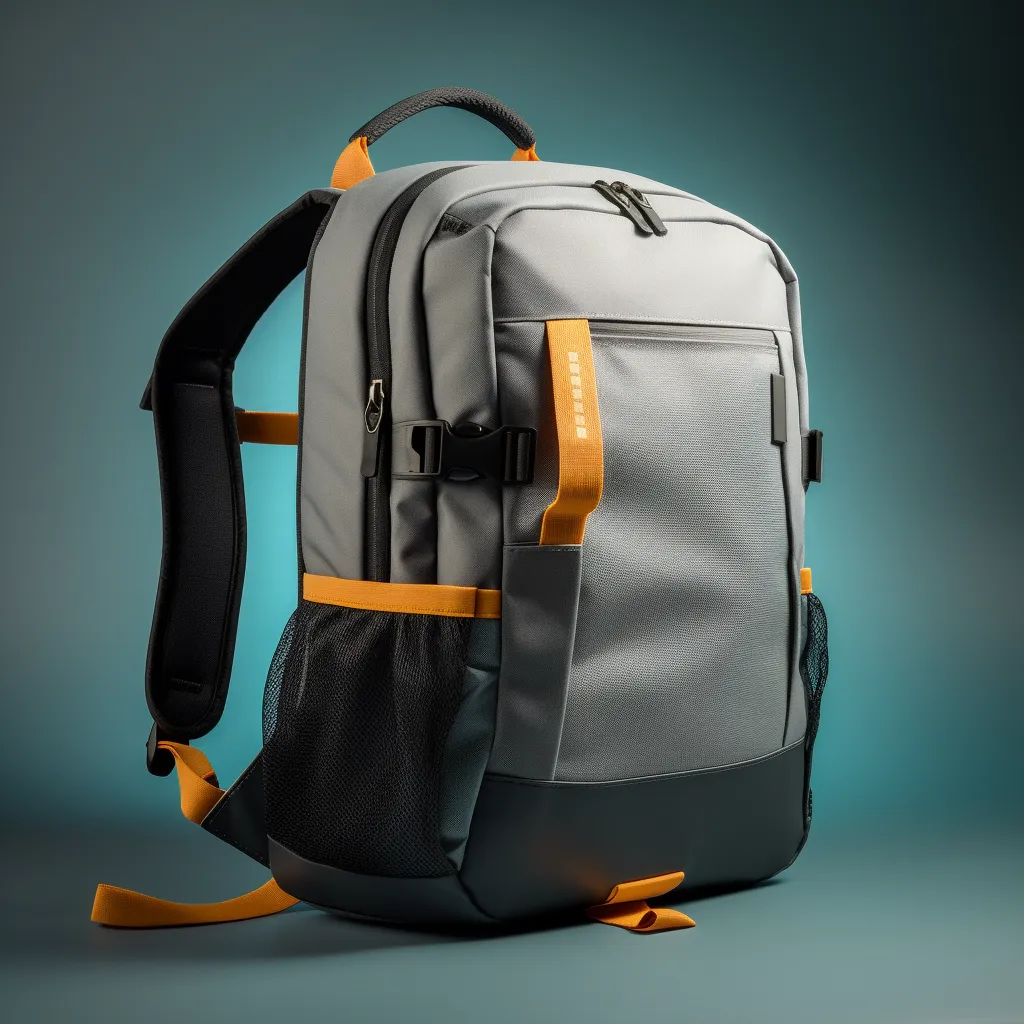
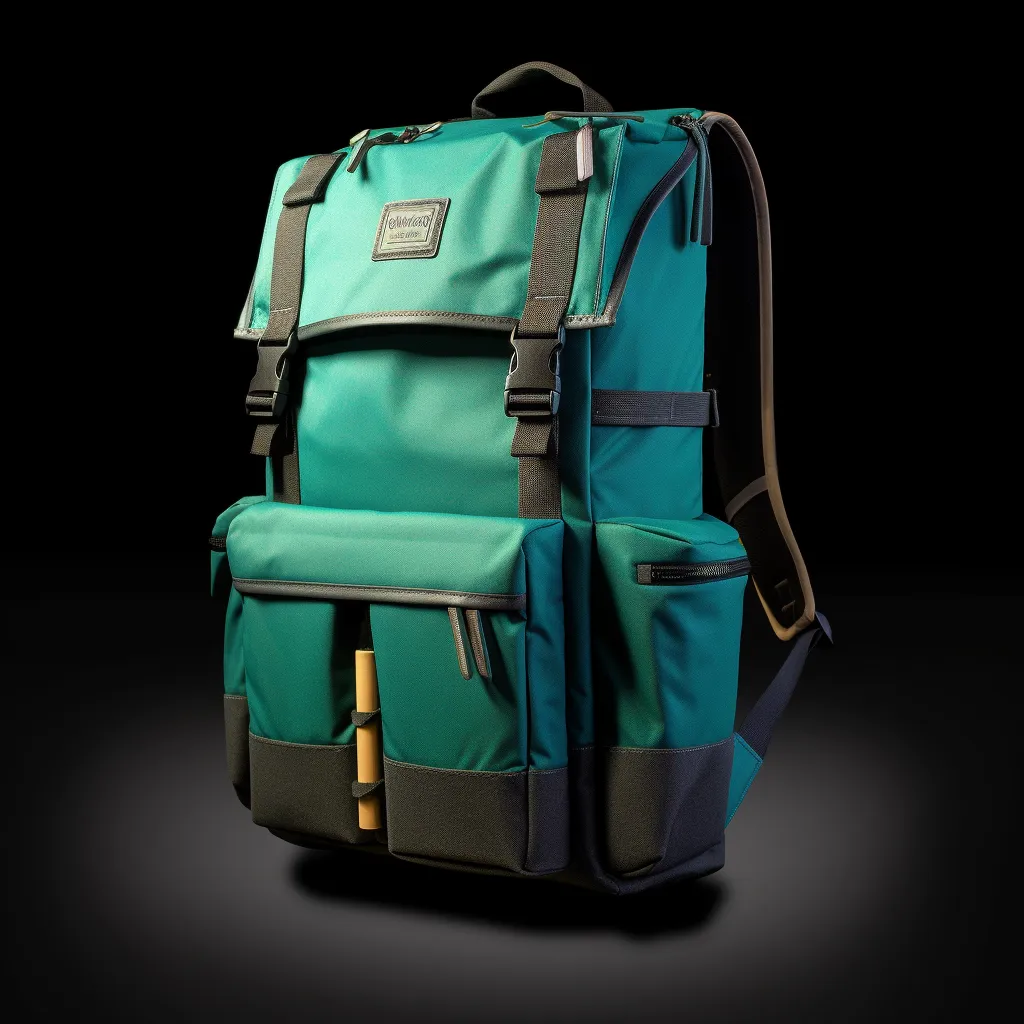
Where a Custom Bag Gets Made and How It Moves
The checkpoints that decide whether bulk runs
Any tour worth taking is a control-point checklist in disguise, not a showroom trip.
How the line handles your SKU
- Lock claim scope, price target and carton rules, and only then sample.
- Within material sourcing, lock by spec: coating/laminate spec, fabric route, trim vendors.
- Pattern work: cut templates, define tolerances, plan the stress-point build-up.
- Cutting stage: check grain direction plus marker efficiency; hold shade lots steady.
- Sewing and welding: hold the line on stitch spec, seam allowance, critical-zone reinforcement.
- At the final assembly stage, placement jigs position logos, hardware and accessories.
- Finish on AQL sampling, correct carton marking and complete documents.
Typical buyer use scenarios
- brand launches
- wholesale programs
- corporate procurement
- retail distribution
Key functions buyers request most
- custom sizing
- durable construction
- logo branding options
- retail-ready packaging
- consistent QC
Choosing the Best Materials for Custom Bags
| Material | Performance | Cost Range | Top pick For | Upsides & Watch-outs | Risks & How to Control |
|---|---|---|---|---|---|
| nylon | Even wear life (ISO 13934 tensile per the specification); good abrasion (ISO 12947 as specified); stable for branding | US$1.6–5.5 / meter (per the specification) | Running styles with predictable yield | Advantages: versatile. Watch-outs: performance depends on coating/finish | Lock coating spec, color tolerance and print compatibility; confirm reinforcement mapping |
| PU coated polyester (600D, per spec) | Good repellency (ISO 4920 / AATCC 22 per spec); moderate barrier (ISO 811 per spec) | US$1.2–6.0 / meter (per spec) | Value/core lines where print clarity matters | Upsides: cost controlled. Limitations: coating wear over time | Define spray rating targets and abrasion benchmarks; protect high-wear zones |
| Recycled RPET (route, per spec) | Sustainability positioning; performance depends on coating/laminate (ISO 4920 / ISO 811 per the specification) | US$1.5–3.8 / meter (as specified) | Eco positioning programs and corporate procurement | Merits: sustainability narrative. Watch-outs: supply stability and lot drift risks | Lock supplier lots, traceability and color delta; validate print and coating compatibility |
Triage the material decision
- Decide from the field conditions: rubbing, carrying load and water drive the choice.
- Decide whether the claim covers the whole bag or only zones like the main compartment.
- Every referenced ISO/AATCC/ASTM procedure should be listed, together with the numeric bar for approval.
- Choose route-suitable trims, from zipper type and sliders to buckles and webbing strength.
- Confirm that print and branding suit the specified fabric.
- Scuffing and creasing usually trace to transit, not to stitching defects.
Design, Sampling and Sign-Off
The specification sheet that avoids a second round
What happens first, second and third
- Write down the customer, the price tier and the role it plays.
- Confirm the claim scope and its test plan by spec.
- Artwork placement, tolerance map, measurement table and BOM: four pieces that make the tech pack.
- Fit, structure and material route get validated at prototype sampling.
- Final BOM, final packaging route: the PP stage.
- Sign-off requirement: QC checklists plus the reference sample, ahead of bulk cutting.
Getting the sample right first time
- Confirm fabric shade and coating feel with the actual supplier lot (per the specification).
- Verify artwork location physically on paper before the selected print process runs.
- Load-test every anchor point: webbing, grab handles and D-ring areas, to specification.
- Verify the zipper path, then slider feel, then the cycle requirement per spec.
- Open, close and repack the product many times, watching for corner wear and seam creep.
- Three things need checking per lane: rub marks, folding lines, and defence against humidity.
- One PP sample, built with the final BOM and final packing route, is what needs approval.
Reducing back-and-forth before bulk
From first build to annual reorder
Success example (anonymized): a premium program targeting UK & Europe reduced rework by freezing a single tech pack, running one pre-production sample using the final BOM, and aligning QC checkpoints before cutting. A construction that can be duplicated means each season's reorder goes to the same partner.
Production Options at Each Volume
Weigh MOQ requirements against turnaround duration and price tier using the options table.
| Production Type | Lead Time | MOQ | Cost Level | Leading For |
|---|---|---|---|---|
| Small-batch pilot run | 6-10 working days + 35-50 days | 500 pcs | medium | Startups, corporate gifting, SKU validation |
| Standard OEM mass production | 35-50 days | medium–high (per the specification) | optimized | Retail replenishment and stable demand |
| New tooling / new specified materials route | sampling + production per the specification | per spec | premium | New silhouettes and claim-led innovation |
Methods and the numbers behind them
Branding Methods and Final Build Steps
Choosing how to apply your logo
Detailed thresholds, sampling levels and test references are consolidated on own-brand programmes so one source stays current for every programme.
Keeping returns down at the last station
Shipping Mode, Cost and Timing
The export sequence, gate by gate
Questions to Settle Before Signing
Check every point here prior to signing your OEM/ODM bag contract.
What to ask before you place volume
- Do they price the pack and flag every assumption they made?
- Are alternatives by spec offered, and BOM sourcing controlled by them?
- Do they evidence QC checkpoints, IQC to IPQC to FQC, and an AQL plan?
- Without hurting workmanship, can they allow a flexible MOQ?
- Can they give firm lead time commitments and a defined escalation path?
- Do they bring packaging and shipping know-how that fits your market?
What an audit should look at, line by line
- Needle control and metal detection process (if required as specified)
- Inline QC stations and sampling frequency
- Measurement tools calibration and template storage
- Corrective action loop: how issues are documented and closed
- Usable capacity reality: line balance, overtime policy, and peak season plan
Where the value sits
Clauses that protect a first OEM bag programme
Most disputes on a bag programme are not about workmanship. They are about things the contract never said: who owns the jig, what happens if resin moves 12 percent, and how long the buyer has to report a defect. A production agreement that covers scope, price validity, acceptance and liability removes almost all of the ambiguity that otherwise turns into a claim six months later.
Start with the specification freeze. The agreement should name the revision number of the tech pack that the price is based on, because a price quoted against revision two is not a price for revision five. Change orders issued after the freeze need a written price and schedule consequence, otherwise a small artwork change quietly becomes a free addition to the run.
Price validity is the second clause that matters. Coated fabric, film and hardware all track resin and metal markets, so a quote held open for 30 days with a stated adjustment mechanism is more honest than an open-ended price. Tied to that is payment structure, standard at T/T 30/70 against FOB Xiamen, with the balance released after inspection rather than before it.
Quality, liability and compliance responsibility
Acceptance has to be measurable. Naming AQL 2.5 under ISO 2859-1 at general inspection level II, with critical defects at zero, major at 2.5 and minor at 4.0, converts a vague quality promise into an enforceable number. The agreement should also state the sampling plan, who pays for a re-inspection, and the defect claim window after arrival, which is typically 30 days from receipt at the destination port.
- Specification freeze naming the tech pack revision the price is based on
- Price validity period with a stated raw material adjustment mechanism
- Acceptance at AQL 2.5 under ISO 2859-1, critical defects at zero
- Defect claim window, typically 30 days from receipt at the destination port
- Tooling ownership and the mould or jig amortisation arrangement
- Compliance responsibility for REACH (EC 1907/2006), California Prop 65 and CPSIA
- Subcontracting disclosure and audit rights covering amfori BSCI or Sedex SMETA
Tooling is a recurring argument. A welded jig, a die-cut tool or an injection mould sits in the USD 300 to 2,500 band for jigs and dies, and the agreement should state whether it is billed outright, amortised into the unit price over a stated volume, or held for the exclusive use of the brand. Intellectual property is separate: the buyer owns the artwork and the design, and the mould is held for the programme, which are not the same statement.
Finally, allocate compliance in writing. Responsibility for test reports against REACH (EC 1907/2006), California Prop 65 and CPSIA should be named, along with social audit documentation under amfori BSCI or Sedex SMETA and a subcontracting disclosure clause. QUANZHOU JUNYUAN BAGS returns a priced quote within 24 to 48 hours and states these terms on the quotation rather than after the order. Programme terms are summarised under the private label page.
Frequently Asked Questions (FAQs)
Which price validity clause protects a buyer when coated fabric costs move?
A quote held open for 30 days with a stated raw material adjustment mechanism is more honest than an open-ended price. Coated fabric, film and hardware all track resin and metal markets, so the clause should name the index and the trigger.
Should tooling be billed separately or amortised into the 500-piece unit price?
Either works if it is written down. Jigs and dies sit in the USD 300 to 2,500 band; state whether they are billed outright, amortised over a stated volume, or held for the exclusive use of the brand. Amortisation without a volume figure is the usual dispute.
What acceptance standard belongs in an OEM contract instead of a vague quality promise?
Name AQL 2.5 under ISO 2859-1 at general inspection level II, with critical defects at zero, major at 2.5 and minor at 4.0. Also state the sampling plan, who pays for a re-inspection, and how a mixed-colour shipment is sampled.
How long should the defect claim window run after goods arrive at the port?
Thirty days from receipt at the destination port is typical. The clause should also state what evidence is required, usually photographs plus a retained sample count, and whether a claim suspends the 70 percent balance payment until the finding is agreed.
What happens to the schedule if a change order is issued during the 35 to 50 day run?
A change order after the specification freeze should carry a written price and schedule consequence. Without it, a small artwork or hardware revision becomes a free addition and displaces material already cut, pushing the 35 to 50 day run out further.
Should the contract name FOB Xiamen or leave the trade term open?
Name it. FOB Xiamen is the standard term, with EXW, CIF and DDP available by agreement and payment structured as T/T 30/70. Leaving the term open leaves responsibility for freight, insurance and risk transfer undefined, where landed-cost arguments start.
How is responsibility for REACH and Prop 65 test reports allocated in writing?
The agreement should name which party commissions and pays for testing, and which standards apply: REACH (EC 1907/2006) for the EU, California Prop 65 and CPSIA for the US, plus EN 71-3 where the product is a children item.
What subcontracting disclosure should a buyer require before signing?
Require written disclosure of any subcontracted process and a right of audit against amfori BSCI or Sedex SMETA, with corrective actions closed within 30 days. Undisclosed subcontracting is the most common audit finding and the hardest to remedy after goods ship.
Next Steps and Further Guides
Internal resources
Related blog posts
- TPU vs. PVC Waterproof Bags: Which Material Is Better?
- Travel Backpacks With Hidden Pockets: Anti-Theft Design
- Turnkey Bag Manufacturing: What It Means for Your Brand
- Waterproof Backpacks: Key Features for Commuter & Outdoor Lines
- Tool Bag Production: Quality Control for Heavy Use
- Tote Bag Handles: Strength & Comfort Design
Next step
• Lock keyword and claim scope for oem bag manufacturing
• Build a tech pack with BOM + tolerance map
• Choose materials route and validate tests (by spec)
• Plan sampling gates (lead time 6-10 working days)
• Set MOQ and cost targets (MOQ 500 pcs)
• Define QC plan and AQL checkpoints
• Confirm production + shipping timeline (25–35 days)
Let's scope your next order
Send over your requirements; a manufacturing plan and structured RFQ checklist are prepared for you.
Next guides: custom backpacks.
Clauses that decide what happens when something goes wrong
Most disputes on a bag programme are not about whether the goods are defective. They are about who owns the tool, who pays for the rework, and whether the price on the proforma survives a currency move. Those three questions are settled on the day you sign, not on the day the container lands, so read the contract for the failure case rather than for the happy path.
Start with tooling. Custom pullers, moulded logos, dies for an EVA shell and welding jigs sit in the USD 300–2,500 band, and the contract should state plainly who owns the physical tool, whether it may be used for another customer, and what happens to it after two years of silence. A brand that pays for a mould but does not register ownership ends up funding a competitor's shortcut. Ask for the tool to be photographed, tagged with your style number, and covered by a clause that requires written consent before it is used outside your programme.
Intellectual property needs the same treatment. Your artwork, prints, hardware drawings and pattern files should be identified as your property, and the counterparty should be restricted from making, selling or photographing the same design for anyone else. An NDA alone is weaker than people assume: it protects information, not the right to stop production. Put the exclusivity in the supply terms, with a stated territory and a stated period.
| Clause | What to insist on | Walk-away signal |
|---|---|---|
| Tooling ownership | Named owner, tagged tool, consent required for reuse | Supplier claims ownership of a tool you paid for |
| Design exclusivity | Territory and period stated in writing | Only an NDA, no production restriction |
| Price validity | Validity window, currency, and a raw-material adjustment rule | Open-ended price "subject to confirmation" |
| Quality acceptance | AQL level, defect classification, third-party inspection right | "Final inspection by seller is conclusive" |
| Delivery and remedy | Agreed window, per-week penalty, capped and enforceable | No remedy for late shipment beyond apology |
| Subcontracting | Disclosure and approval for any outsourced process | Silent on where the goods are actually made |
| Compliance | Named standards and audit bodies, test-report access | Test reports withheld or issued in supplier's name only |
| Termination | Wind-down terms for work in progress and deposits | Deposits non-refundable with no deliverable |
Commercial mechanics deserve equal attention. Prices quoted FOB Xiamen under Incoterms 2020 transfer risk at the ship's rail; EXW, CIF and DDP are available but each shifts a different set of costs and risks onto you, so compare like with like when you benchmark two quotations. Payment on our programmes is T/T 30/70, and the contract should tie the balance to a defined inspection outcome rather than to a calendar date alone. Where a raw material such as a TPU film or a metal zipper moves sharply mid-programme, an agreed adjustment formula avoids the argument that otherwise happens at balance payment.
Quality terms should be operational, not aspirational. Name the sampling standard — ISO 2859-1 — and the acceptance level, normally AQL 2.5 with Critical 0, Major 2.5 and Minor 4.0, and note that AQL 1.5 is available on request for programmes where a visible defect ends the sale. State who inspects, who pays for re-inspection, and what remedy applies to goods that fail: rework at the maker's cost, replacement, or credit. Also state what happens to the goods you already shipped to customers, because a warranty claim pipeline is the expensive part of a defect, not the rework itself.
Capacity and scheduling are the last group. Mass production runs 35–50 days after sample approval on our lines, and a contract that promises 25 days is a contract written by somebody who does not cut and sew. Ask for a named production window, a right to inspect during production, and disclosure of any subcontracted process such as welding, printing or moulding. Social-compliance evidence matters too: request current amfori BSCI or Sedex SMETA audit references and the right to see test reports under REACH (EC 1907/2006), CPSIA and California Proposition 65 rather than a certificate with an expired date.
Reading the quotation behind the contract
A price is only comparable when the assumptions are visible. Ask the quotation to state the fabric construction with denier and coating, the hardware brand and finish, the stitch density, the packing method, and the freight basis, then compare that against the sample you approved rather than against the drawing you sent. Gaps between the two are where margin leaks. Programmes start at 500 units per style and colour and repeat styles can be discussed from 300; tooling, sampling at 6–10 working days and the 24–48 hour quote turnaround should all appear as separate lines so you can see what you are buying at each stage.
Before you sign anything, look at how unit price moves with specification in our custom bag cost and MOQ breakdown, and check what a private-label arrangement changes about artwork ownership and packing under private label bags.
Numbers age badly when copied into dozens of places, so the maintained version of this grid stays on quality control and certification.
Rather than repeat the same matrix here, keep the detailed grading with the central reference on material selection — it lists the acceptance numbers and sampling levels our team works to.