How to Manage Quality in Overseas OEM Bag Production
Learn how to run a oem bag manufacturing program for EU & US: materials, tech pack, sampling, QC and shipping. Get OEM/ODM-ready checklists and quote guidance.
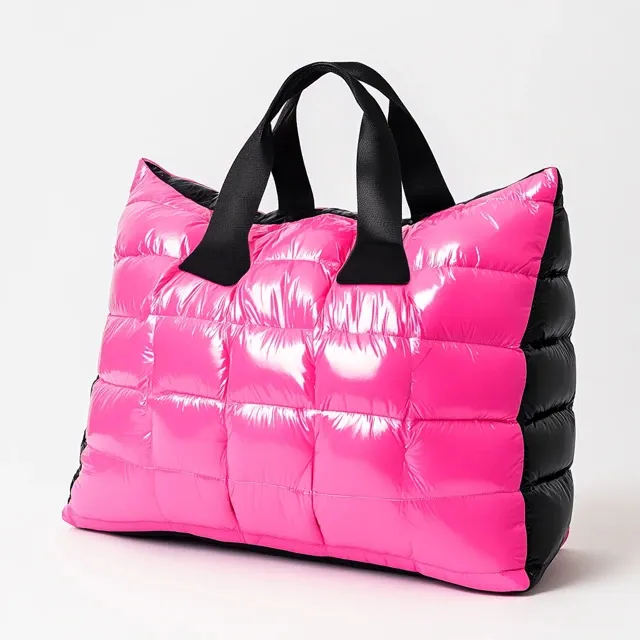

Where a Custom Bag Gets Made and How It Moves
Primary SEO focus: oem bag manufacturing. Private-label bags, custom logo bags, OEM ODM bags and custom bag manufacturer make up the secondary list.
The checkpoints that decide whether bulk runs
Any tour worth taking is a control-point checklist in disguise, not a showroom trip.
How the line handles your SKU
- Lock claim scope, price target and carton rules, and only then sample.
- Within material sourcing, lock by spec: coating/laminate spec, fabric route, trim vendors.
- Pattern work: cut templates, define tolerances, plan the stress-point build-up.
- Cutting stage: check grain direction plus marker efficiency; hold shade lots steady.
- Sewing and welding: hold the line on stitch spec, seam allowance, critical-zone reinforcement.
- At the final assembly stage, placement jigs position logos, hardware and accessories.
- Finish on AQL sampling, correct carton marking and complete documents.
Typical buyer use scenarios
- brand launches
- wholesale programs
- corporate procurement
- retail distribution
Key functions buyers request most
- custom sizing
- durable construction
- logo branding options
- retail-ready packaging
- consistent QC
Choosing the Best Materials for Custom Bags
| Material | Performance | Cost Range | Top pick For | Upsides & Limitations | Risks & How to Control |
|---|---|---|---|---|---|
| PU coated polyester (600D, as specified) | Good repellency (ISO 4920 / AATCC 22 to spec); moderate barrier (ISO 811 as specified) | US$1.2–6.0 / meter (per spec) | Value/core lines where print clarity matters | Advantages: cost controlled. Limitations: coating wear over time | Define spray rating targets and abrasion resistance benchmarks; protect high-wear zones |
| Recycled RPET (route, per the specification) | Sustainability positioning; performance depends on coating/laminate (ISO 4920 / ISO 811 per spec) | US$1.5–3.8 / meter (as specified) | Eco positioning programs and corporate procurement | Advantages: sustainability narrative. Trade-offs: supply stability and lot drift risks | Lock supplier lots, traceability and color delta; validate print and coating compatibility |
| Canvas / cotton (to spec) | Good hand-feel and print; waterproofing depends on finish (AATCC 22 to spec) | US$1.0–3.5 / meter (to spec) | Retail lifestyle lines, totes and promotions | Advantages: classic look. Limitations: heavier; stain risk without finish | Define shrinkage and colorfastness tests (AATCC 61 / ISO 105 per the specification); specify lamination if needed |
Triage the material decision
- Decide from the field conditions: rubbing, carrying load and water drive the choice.
- Decide whether the claim covers the whole bag or only zones like the main compartment.
- Every referenced ISO/AATCC/ASTM procedure should be listed, together with the numeric bar for approval.
- Choose route-suitable trims, from zipper type and sliders to buckles and webbing strength.
- Confirm that print and branding suit the specified fabric.
- Scuffing and creasing usually trace to transit, not to stitching defects.
Design, Sampling and Sign-Off
The specification sheet that avoids a second round
What happens first, second and third
- Write down the customer, the price tier and the role it plays.
- Confirm the claim scope and its test plan by spec.
- Artwork placement, tolerance map, measurement table and BOM: four pieces that make the tech pack.
- Fit, structure and material route get validated at prototype sampling.
- Final BOM, final packaging route: the PP stage.
- Sign-off requirement: QC checklists plus the reference sample, ahead of bulk cutting.
Getting the sample right first time
- Confirm fabric shade and coating feel with the actual supplier lot (to spec).
- Confirm artwork location physically on paper before the selected print process runs.
- Confirm the zipper path, then slider feel, then the cycle requirement per spec.
- One PP sample, built with the final BOM and final packing route, is what needs approval.
Reducing back-and-forth before bulk
From first build to annual reorder
Success example (anonymized): a mid-range program targeting EU & US reduced rework by freezing a single tech pack, running one pre-production sample using the final BOM, and aligning QC checkpoints before cutting. A construction that can be duplicated means each season's reorder goes to the same partner.
Production Options at Each Volume
Weigh MOQ requirements against turnaround duration and price tier using the options table.
Methods and the numbers behind them
- Foam thickness and density for structure (as specified)
- Edge binding method and tolerance for clean finishing
- Trims and hardware installation: jigs, torque control, and anti-loosening measures (to spec)
Branding Methods and Final Build Steps
Choosing how to apply your logo
We keep one authoritative version of this comparison on tote bag specifications, updated whenever the reference standards move.
Keeping returns down at the last station
Shipping Mode, Cost and Timing
The export sequence, gate by gate
Questions to Settle Before Signing
Check every point here prior to signing your OEM/ODM bag contract.
What to ask before you place volume
- Do they price the pack and flag every assumption they made?
- Are alternatives by spec offered, and BOM sourcing controlled by them?
- Do they evidence QC checkpoints, IQC to IPQC to FQC, and an AQL plan?
- Without hurting workmanship, can they allow a flexible MOQ?
- Can they give firm lead time commitments and a defined escalation path?
- Do they bring packaging and shipping know-how that fits your market?
What an audit should look at, line by line
Where the value sits
Freeze Acceptance Criteria Before Bulk Cutting Starts
Remote quality management succeeds or fails on paperwork written before production begins. Distance removes informal correction, so anything left unstated becomes assumption. Start with a signed golden reference unit and keep at least two copies: one travels to you, one remains available to inspectors. Add a defect classification matrix that defines each fault category with written wording and photographs, because two people given the same sample will otherwise grade it differently. Finally, fix measurement points and tolerances, stitch density, print placement allowance, accepted shade range against retained reference offcuts, the folding method, carton specification and barcode placement, all within one controlled document.
| Stage | Evidence you should receive |
|---|---|
| Pre-production meeting | Material approvals, operation sequence and a written risk list |
| Inline during cutting and sewing | Shading checks, first-piece approval and defect counts by cell |
| Final random inspection | AQL 2.5 results under ISO 2859-1 with measured photographs |
| Stuffing supervision | Carton count, markings, barcode scan and loaded volume |
Inspection Evidence, Audits and Release Decisions
Final random inspection should run to AQL 2.5 under ISO 2859-1 and ANSI ASQ Z1.4 at General Inspection Level II, with critical defects at zero acceptance, major defects limited at 2.5 and minor defects at 4.0. Insist on random carton selection drawn across the whole lot rather than from the easiest stack, and ask for photographs taken with a scale in frame so findings can be reviewed without handling the unit. You may appoint an independent agency or your own inspector; either works provided the written acceptance document governs every decision.
When a shipment fails, agree the remedy before irritation sets in. Standard routes are full rework with hundred percent sorting followed by a second inspection, or a documented concession accepted in writing by your own team. Product evidence also extends beyond the unit itself: request ISO 9001 quality management documentation, ISO 14001 environmental records, and social audit evidence such as amfori BSCI or Sedex SMETA where your retail customers demand it. Chemical compliance belongs in the same bundle, covering REACH (EC 1907/2006), California Prop 65 and OEKO-TEX Standard 100 certificates whose scope includes trims, not only the main fabric.
Release discipline protects your cash. Bulk production runs 35-50 days, then shipments move under FOB Xiamen terms with sea transit of 25-35 days, air freight of 5-8 days or express courier of 3-5 days. Balance payment under T/T 30/70 is best released only after inspection approval and container stuffing records are in hand. Ask for ISTA 3A transit simulation on packed cartons where drop damage is a recurring risk, and keep sealed retain plus retained material offcuts so any future claim can be compared against the lot as shipped. See our overview of quality and certification requirements.
Communication cadence deserves deliberate planning. Agree one reporting template, a named contact on each side and a fixed weekly slot covering material arrivals, defect counts and progress photographs. Written expectations remove most time zone friction, and disputed interpretations of reference images waste far more calendar time than any technical problem the line actually encounters.
Frequently Asked Questions (FAQs)
When should inspections be scheduled during a bulk production order?
Schedule three points: an inline review during cutting and sewing, a final random inspection when goods are packed, and container stuffing supervision. Earlier inline coverage catches shading and stitch drift while correction is still inexpensive for your MOQ 500 order. Inline coverage costs hours and prevents weeks of later argument.
How do I decide whether AQL 2.5 is strict enough for my shipment?
AQL 2.5 under ISO 2859-1 and ANSI ASQ Z1.4 General Inspection Level II suits most programmes, with Critical 0, Major 2.5 and Minor 4.0. Tightening categories rather than the sampling plan usually improves outcomes faster for visible defects. Request the raw worksheet, since sample count follows lot size under the standard.
What remedies exist when a final inspection fails?
Two documented routes are normal: hundred percent sorting and rework followed by a second inspection, or written acceptance of a concession acknowledging the deviation. Either route should be agreed before production so cost responsibility is never argued afterwards. Whichever path you choose, reference ISO 2859-1 results so both teams read one evidence set.
Can remote video walkthroughs replace an on-site visit?
Video is useful for witnessing measurement and packing, but random carton selection must be controlled by whoever owns the acceptance decision. Combine timed walkthroughs with independent ISO 2859-1 sampling results and retained samples for a defensible record. Video works best alongside ISO 2859-1 sampling rather than replacing it entirely.
Which audit documentation is relevant beyond product testing?
Request ISO 9001 quality management records, ISO 14001 environmental documentation, and social audit evidence such as amfori BSCI or Sedex SMETA. Check that certificate scope covers the site actually producing your order and that expiry dates remain valid. Expired certificates and mismatched site names are the two issues most often caught late.
How do I keep laboratory reports traceable to my exact article?
Every report should name the sampled article, colourway and lot rather than reference a generic material. Request REACH (EC 1907/2006) statements, California Prop 65 review and OEKO-TEX Standard 100 certificates listing fabric, print and all trims. Reports naming only a material family are usually rejected during compliance review.
Who covers the cost of re-inspection after rework?
Responsibility follows the documented acceptance standard. Where the result follows agreed tolerances and the shipment was rejected on interpretation, discuss case by case; where non-conformance is confirmed, rework and second inspection are normally carried before release. Agreeing ownership in the purchase order keeps ISO 2859-1 reinspection free of dispute.
What documentation should arrive before I release the balance payment?
Require final inspection results against AQL 2.5, measured photographs, packed carton list, container stuffing record, certificate pack and retain sample reference. Under T/T 30/70 the balance settles after approval, with shipment moving on FOB Xiamen terms. Bulk then runs 35-50 days, so paperwork never delays freight booking.
Next Steps and Further Guides
Internal resources
- Request a quote (RFQ)
- Factory capabilities & process
- Download QC checklist
- Retail packing specification guide
Related blog posts
- Container Loading & Export Logistics for Bag Orders
- Common OEM Bag Defects & How QC Prevents Them
- Cooler Bag Durability: Reinforced Stitching & Heavy Zippers
- Cooler Backpacks With Multiple Compartments: Design Tips
- Cooler Bag Materials: PEVA, EPE Foam & Aluminum Foil Explained
- Cooler Bag Insulation Thickness: What Works Best?
Next step
• Lock keyword and claim scope for oem bag manufacturing
• Build a tech pack with BOM + tolerance map
• Choose materials route and validate tests (by spec)
• Plan sampling gates (lead time 6-10 working days)
• Set MOQ and cost targets (MOQ 500 pcs)
• Define QC plan and AQL checkpoints
• Confirm production + shipping timeline (35-50 days)

Let's scope your next order
Send over your requirements; a manufacturing plan and structured RFQ checklist are prepared for you.
Related programme guides: bag certification standards · bag manufacturing process.
Remote Quality Is a Reporting System, Not a Visit
Distance does not create quality problems; it delays their discovery. A programme with a defined reporting cadence and a written acceptance rule catches a defect in week two, while one that relies on a final inspection finds the same defect on a pallet.
Structure the programme around four gates. A pre-production meeting that locks the approved sample, the material lots and the packing specification before cutting starts. A first-piece check on the actual line, before assembly begins in volume. An inline inspection at a defined percentage of completion, which is the only gate that can still change the outcome cheaply. And a final inspection against a written sampling plan. Each gate produces a written record with photographs and a disposition, and each one is useless if the record arrives a week late — set the reporting turnaround as a requirement, not a courtesy.
The sampling plan is where most confusion lives. A lot of 500 units under general inspection level II takes a sample of 50 pieces with an accept of 3 and a reject of 4 at AQL 2.5; a lot of 1,200 takes 80 with an accept of 5; a lot of 3,200 takes 125 with an accept of 7; a lot of 10,000 takes 200 with an accept of 10. Critical defects are treated separately at an accept of zero regardless of sample size. Quote these numbers in the contract so that "inspected" means something specific, and note that Minor defects are conventionally run at 4.0 while Major sit at 2.5.
Photographic evidence needs direction, because a photograph of nothing in particular proves nothing. Require a standard set: overall front and back, the logo area, the zipper run at the stop and the slider, the interior, the base, all labels, and the packed carton with its markings. Require a scale reference and a measurement shot wherever a dimension is disputed. A written report with ten directed photographs and three measurements is worth more than a hundred casual ones.
| Lot size | Code letter | Sample size | Accept | Reject | Critical defects |
|---|---|---|---|---|---|
| 281–500 | H | 50 | 3 | 4 | 0 acceptance |
| 501–1,200 | J | 80 | 5 | 6 | 0 acceptance |
| 1,201–3,200 | K | 125 | 7 | 8 | 0 acceptance |
| 3,201–10,000 | L | 200 | 10 | 11 | 0 acceptance |
| 10,001–35,000 | M | 315 | 14 | 15 | 0 acceptance |
Closing the Loop After a Failed Inspection
A failed inspection is only useful if it produces a corrected process, so require three things in writing: the root cause, the containment boundary expressed as a quantity and a time window, and the corrective action with the date it takes effect. Containment from the last known good check to the next confirmed good check is the only honest way to size the affected quantity; re-inspecting "the whole order" is expensive and rarely necessary, while re-inspecting "the day's output" is usually too narrow.
Decide the escalation path before you need it. Define who can stop a shipment, who signs a concession, and what happens to a lot that fails twice — because a lot that fails twice usually has a material or tooling cause rather than an operator cause, and re-inspecting it a third time will not fix it. Build a concession route for genuinely cosmetic minor issues, since shipping a perfect carton late can be worse commercially than shipping a good carton on time with a documented deviation.
Compliance documentation runs alongside the physical inspection. Testing and audit reports — ISO 9001 for the quality system, ISO 14001 for environmental management, amfori BSCI or Sedex SMETA for social compliance, OEKO-TEX Standard 100 or GRS where material claims are made — should be requested with the order and verified for validity dates rather than collected at the end. Transit planning matters too: sea 25–35 days, air 5–8 days, courier 3–5 days, and a container at 68 CBM in a 40HQ represents a lot of value to discover a defect in. The practical mechanics of running these checks are set out in pre-shipment inspection for bags, the standards and audit scope we hold are on our quality and certification page, and the sourcing context is at source bags from China.
Numbers age badly when copied into dozens of places, so the maintained version of this grid stays on quality control and certification.
Rather than repeat the same matrix here, keep the detailed grading with the central reference on material selection — it lists the acceptance numbers and sampling levels our team works to.