Cost Drivers Explained For Custom Sling Bag
Learn how to run a custom sling bag oem program for EU & US: materials, tech pack, sampling, QC and shipping. Get OEM/ODM-ready checklists and quote guidance.
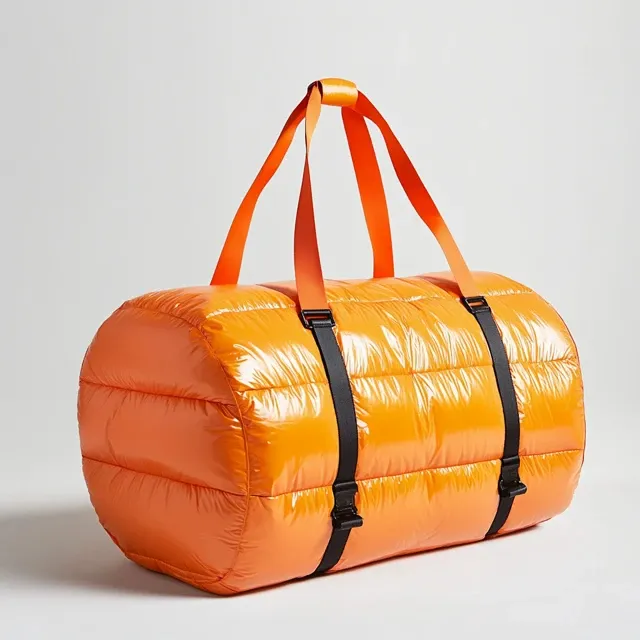

Inside the Build: How a Sling Bag Goes From Pack to Carton
A professional sling bag program is a controlled workflow: clarify requirements, lock the build route, validate with measurable gates, then scale production with repeatable QC.
If you are targeting EU & US with a value positioning, the key is to prevent variance: materials, trims, workmanship and packout rules must be written and checked.
Primary SEO focus: custom sling bag oem. Secondary: sling bag manufacturer, private label bags, custom logo bags, OEM ODM bags.
Control points the build is measured against
Full comparison table and line-by-line spec sheet: see own-brand programmes, which sets out tolerances, test methods and acceptance criteria used across programmes of this type.
Any tour worth taking is a control-point checklist in disguise, not a showroom trip.
Stage-by-stage: how the order is worked
- Brief alignment: settle the claim scope, cost target and packing rules before any sample.
- Within material sourcing, lock by spec: coating/laminate spec, fabric route, trim vendors.
- Pattern control: build templates, set a tolerance map, plan the reinforcement.
- Cutting stage: check grain direction plus marker efficiency; hold shade lots steady.
- Sewing and welding: hold the line on stitch spec, seam allowance, critical-zone reinforcement.
- At the final assembly stage, placement jigs position logos, hardware and accessories.
- Close with inspection: AQL sampling, carton marks and the export paperwork.
Typical buyer use scenarios
- brand launches
- wholesale programs
- corporate procurement
- retail distribution
Key functions buyers request most
- custom sizing
- durable construction
- logo branding options
- retail-ready packaging
- consistent QC
Choosing the Best Materials for Custom Sling Bags
| Material | Performance | Cost Range | Top pick For | Advantages & Limitations | Risks & How to Control |
|---|---|---|---|---|---|
| nylon | Steady service life (ISO 13934 tensile as specified); good abrasion (ISO 12947 as specified); stable for branding | US$1.6–5.5 / meter (as specified) | Main line items with predictable yield | Advantages: versatile. Watch-outs: performance depends on coating/finish | Lock coating spec, color tolerance and print compatibility; confirm reinforcement mapping |
| PU coated polyester (600D, to spec) | Good repellency (ISO 4920 / AATCC 22 per the specification); moderate barrier (ISO 811 as specified) | US$1.2–6.0 / meter (to spec) | Value/core lines where print clarity matters | Advantages: cost controlled. Limitations: coating wear over time | Define spray rating targets and scuff resistance benchmarks; protect high-wear zones |
| Canvas / cotton (as specified) | Good hand-feel and print; waterproofing depends on finish (AATCC 22 to spec) | US$1.0–3.5 / meter (per the specification) | Retail lifestyle lines, totes and promotions | Upsides: classic look. Trade-offs: heavier; stain risk without finish | Define shrinkage and colorfastness tests (AATCC 61 / ISO 105 per the specification); specify lamination if needed |
Narrowing the material route quickly
- Work back from use: where it rubs, where it carries load, and how wet it gets set the route.
- Decide whether the claim covers the whole bag or only zones like the main compartment.
- Every referenced ISO/AATCC/ASTM procedure should be listed, together with the numeric bar for approval.
- Choose route-suitable trims, from zipper type and sliders to buckles and webbing strength.
- Confirm that print and branding suit the specified fabric.
- Scuffing and creasing usually trace to transit, not to stitching defects.
Design and Development: How the Build Is Specified
Tech pack contents that get a fast quote
A consolidated table would duplicate itself across every article on this topic, so ours sits on tote bag specifications and gets the updates.
The development sequence, as it really runs
- Pin down who buys it, at what retail band, and where it sits.
- Confirm the claim scope and its test plan by spec.
- Artwork placement, tolerance map, measurement table and BOM: four pieces that make the tech pack.
- Fit, structure and material route get validated at prototype sampling.
- Final BOM, final packaging route: the PP stage.
- Sign-off requirement: QC checklists plus the reference sample, ahead of bulk cutting.
Sample-stage checks that prevent expensive rework
- Review artwork location physically on paper before the selected print process runs.
- Load-test every anchor point: webbing, grab handles and D-ring areas, to specification.
- Verify the zipper path, then slider feel, then the cycle requirement per spec.
- Open, close and repack the product many times, watching for corner wear and seam creep.
- Three things need checking per lane: rub marks, folding lines, and defence against humidity.
- One PP sample, built with the final BOM and final packing route, is what needs approval.
- Lock all changes before bulk cutting; avoid late feature creep.
Fewer sample rounds: what actually helps
Where you need the granular row detail, cost structure and minimum order quantity carries it with the test methods and sample sizes attached.
Why a repeatable build outperforms a hero sample
Success example (anonymized): a value program targeting EU & US reduced rework by freezing a single tech pack, running one pre-production sample using the final BOM, and aligning QC checkpoints before cutting. A construction that can be duplicated means each season's reorder goes to the same partner.
Production & Manufacturing Methods for Sling Bags
Weigh MOQ requirements against turnaround duration and price tier using the options table.
| Production Type | Lead Time | MOQ | Cost Level | Leading For |
|---|---|---|---|---|
| Small-batch pilot run | 6-10 working days + 35-50 days | 500 pcs | medium | Startups, corporate gifting, SKU validation |
| Standard OEM mass production | 35-50 days | medium–high (as specified) | optimized | Retail replenishment and stable demand |
| Expedited production program | 15–25 days (as specified) | by program | higher | Time-critical launches |
| New tooling / new raw inputs route | sampling + production per the specification | as specified | premium | New silhouettes and claim-led innovation |
Build methods worth naming in the pack
- Bonding / lamination requirements and peel strength targets (to spec)
- Foam thickness and density for structure (per spec)
- Stitch density and thread type for load zones (to spec)
- Edge binding method and tolerance for clean finishing
- Fittings installation: jigs, torque control, and anti-loosening measures (to spec)
Branding and Final Assembly
Decoration routes available (pick one or two per SKU)
Rather than restate a long matrix, this section points to travel bag specifications, where each row carries its method and acceptance value.
Closing-stage checks that cut return rates
- Brand mark alignment check against placement template
- Thread trimming and burn control (no loose ends, no scorch marks)
- Trims and hardware function check: buckles, sliders, and snaps
- Visual check for wrinkles, creases, and surface scuffs before packing
Freight, Documents and Delivery
Checkpoints on the shipping leg
The full row-by-row breakdown lives on the full manufacturing workflow; this piece keeps the focus on how those figures change the decision you actually have to make.
Key Factors to Choose a Reliable Sling Bags Manufacturer
Use this checklist before signing an OEM/ODM contract for sling bags.
Partner selection checklist
- Will they price off your pack and show what they assumed?
- Are alternatives by spec offered, and BOM sourcing controlled by them?
- Do they evidence QC checkpoints, IQC to IPQC to FQC, and an AQL plan?
- Without hurting workmanship, can they allow a flexible MOQ?
- Can they give firm lead time commitments and a defined escalation path?
- Do they bring packaging and shipping know-how that fits your market?
What to verify when you walk the production site
- Workmanship standards board and defect examples
- Needle control and metal detection process (if required per the specification)
- Inline QC stations and sampling frequency
- Measurement tools calibration and template storage
- Packing area: carton marking, barcode process, and SKU separation
- Corrective action loop: how issues are documented and closed
- Volume reality: line balance, overtime policy, and peak season plan
Where this build route is strongest
Detailed thresholds, sampling levels and test references are consolidated on handbag specifications so one source stays current for every programme.
The Cost Anatomy of a Custom Sling Bag
A sling bag looks like a small backpack, but its cost structure is closer to a small handbag: fewer fabric metres, more hardware per gram of finished bag, and much higher sensitivity to strap hardware quality. The body may use 0.35 to 0.55 square metres of fabric where a backpack uses 0.9 to 1.3, so fabric is rarely the deciding line item. QUANZHOU JUNYUAN BAGS prices sling programmes around strap hardware, zipper specification and internal organisation.
Strap hardware is the first driver. A sling carries its load on one diagonal, so the strap assembly effectively is the product. A basic build uses 25 mm webbing with a plastic tri-glide; a mid build moves to 38 mm webbing with a padded section and a metal adjuster; a premium build adds a quick-release buckle, a swivel clip that stops webbing twist, and a magnetic or cam closure on the stabiliser strap. Each step adds component cost and assembly minutes, and the swivel clip alone can add USD 0.45 to 1.10 per unit.
Zippers are the second driver, because a sling is opened constantly and often one-handed. A standard size 5 coil zipper with a simple pull is the baseline; a reversed coil zipper with a garage and a moulded pull costs more but reduces snagging; a water-resistant zipper costs more again. Two zippers on a dual-compartment sling roughly doubles the zipper line item, and mismatched zipper finishes remain one of the most common reasons a retail inspector rejects a shipment.
| Element | Baseline | Upgrade | Unit impact |
|---|---|---|---|
| Strap | 25 mm webbing, plastic tri-glide | 38 mm padded, swivel clip | USD 0.85 to 2.10 |
| Zipper | Size 5 coil, plain pull | Reversed coil, moulded pull | USD 0.60 to 1.70 |
| Back panel | Single fabric layer | EVA laminated, curved | USD 0.70 to 1.60 |
| Security | Open slip pocket | RFID lining, hidden pocket | USD 0.90 to 2.40 |
Internal organisation is the third driver and the easiest place to overspend. Every slip pocket, key clip, elastic loop and divider adds cutting complexity and sewing minutes. A sling with six internal pockets can cost 20 to 30 percent more in labour than the same shell with two, and buyers frequently find that three well-placed pockets sell better than six cramped ones. RFID-blocking linings and hidden back-panel pockets add material cost and are usually reserved for travel-oriented stock units.
Structure and finish follow. A sling that must hold shape needs a foam or EVA laminated panel and a curved back pattern, which adds patterning time and a slower sewing cycle. Binding versus turned and topstitched seams is another fork: binding is faster and cheaper, while turned seams look cleaner and cost more. Edge paint on a PU sling adds an operation that must be cured, adding both cycle time and a reject risk.
At MOQ 500, the most effective cost lever is trim consolidation, meaning one zipper finish, one hardware colour and one webbing width across a family of slings. Quotation is returned within 24 to 48 hours, samples are produced in 6 to 10 working days at USD 50 to 150, and bulk runs 35 to 50 days. Compare specification trade-offs against custom bag cost and MOQ before finalising.
Frequently Asked Questions (FAQs)
Why does hardware dominate the cost of a sling bag more than fabric does?
A sling body uses only 0.35 to 0.55 square metres of fabric, while hardware, webbing and zippers carry both the load and the perceived quality. Hardware and trim commonly exceed 40 percent of unit cost on compact slings.
What webbing width and adjuster type suit a sling carried for eight hours?
Use 38 mm webbing with a padded section and a metal or POM adjuster for all-day carry. A swivel clip prevents webbing twist on the diagonal and typically adds USD 0.45 to 1.10 per unit.
How much does a reversed coil zipper with a moulded pull add per unit?
Expect USD 0.60 to 1.70 per unit over a standard size 5 coil zipper with a plain pull. The upgrade reduces snagging and is usually justified on any sling that gets opened one-handed throughout the day.
Is an RFID-blocking lining worth specifying on a travel sling bag?
It is justified on travel and commuter stock units where card skimming is a stated concern. Budget USD 0.90 to 2.40 per unit and verify shielding performance before any artwork claim is printed.
How many internal pockets make economic sense on a compact sling?
Three well-placed pockets usually outperform six. Each additional pocket adds cutting and sewing minutes, and six pockets can raise labour cost by 20 to 30 percent over a two-pocket shell of the same size.
Should sling seams be bound or turned and topstitched?
Binding is faster and cheaper and suits sports and promotional slings. Turned and topstitched seams cost more and read as premium, which suits retail shelves and corporate gifting programmes.
Can one strap and hardware set be shared across a sling bag family?
Yes. Sharing webbing width, hardware finish and zipper colour across a family reduces setup and lets each stock unit reach MOQ 500 more easily, while body panels and prints still differ.
What are the sampling cost and bulk lead time for a custom sling bag?
Samples cost USD 50 to 150 and take 6 to 10 working days, credited against the bulk order. Production runs 35 to 50 days, then 25 to 35 days by ocean, 5 to 8 by air, or 3 to 5 by express.
Further Reading and Internal Resources
Internal resources
Related blog posts
- Logo Methods That Work On Custom Lunch Bag
- Logo Methods That Work On Custom Smell Proof Bag
- Logo Methods That Work On Custom Jerseys
- Logo Methods That Work On Custom Laptop Bag
- Packaging Specifications For Custom Drawstring Bag
- Packaging Specifications For Custom Lunch Bag
Next step
• Lock keyword and claim scope for custom sling bag oem
• Build a tech pack with BOM + tolerance map
• Choose materials route and validate tests (by spec)
• Plan sampling gates (lead time 6-10 working days)
• Set MOQ and cost targets (MOQ 500 pcs)
• Define QC plan and AQL checkpoints
• Confirm production + shipping timeline (35-50 days)
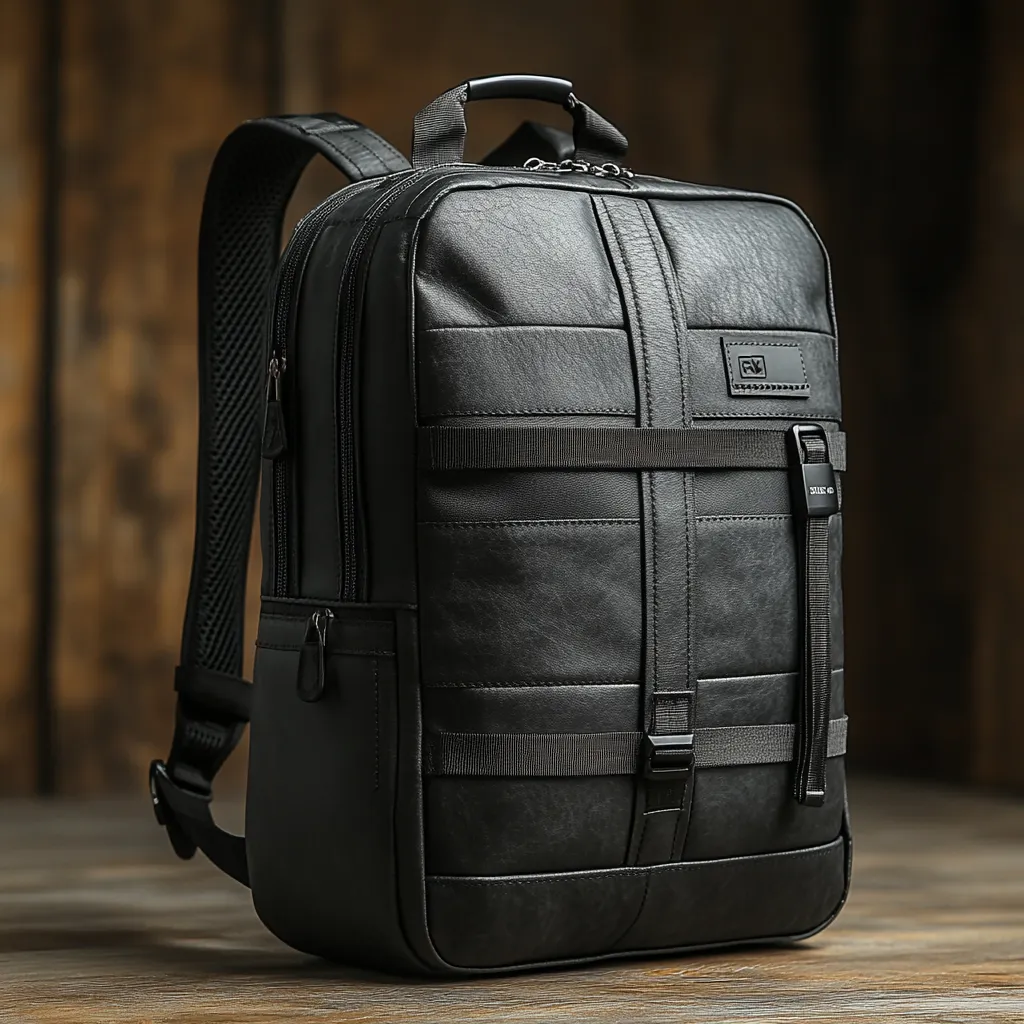
Ready to move on your next build?
Send over your requirements; a manufacturing plan and structured RFQ checklist are prepared for you.
Related programme guides: custom bag cost structure.
A Sling Bag Is Hardware With Fabric Wrapped Around It
Buyers price sling bags by volume and get surprised by the quote, because on a small crossbody the fabric is a minor line and the hardware is a major one. A single strap sling needs webbing, an adjuster, at least one swivel hook or D-ring, a closure, and often a magnetic snap or a buckle; at small volumes those parts can cost more than the shell and lining combined. The second reason the quote surprises is that a sling is worn on one shoulder and swung around the body, so the load path is asymmetric and every attachment point has to be engineered for it.
That asymmetry dictates the specification. On a backpack, two straps share the load and the anchors see a predictable force. On a sling, one anchor takes the whole weight plus the swing, and the strap passes across the chest where it is repeatedly grabbed and pulled. The controls are specific: bar-tack every anchor, use a reinforcement patch behind each one, and specify webbing and hardware rated well above the expected carry weight rather than at it. A sling that fails does so at a hook or a stitch, not in the middle of a panel.
| Driver | Effect on unit cost | Why | Recommendation |
|---|---|---|---|
| Hardware set | High | Swivel hooks, adjusters, buckles and snaps are bought parts | Standardise one finish across the range |
| Strap construction | Medium to high | Webbing width, padding and binding add parts and passes | 45–50 mm webbing with a bound edge |
| Closure specification | Medium | Concealed zips and magnetic snaps cost more than a flap | Match the closure to the security story |
| Internal organisation | Medium | Linings, dividers and RFID pockets add panels and labour | Pay for organisation only where it is used |
| Shell and lining pairing | Low to medium | Lighter shells need better linings to hold shape | Balance denier against structure, not against price alone |
Where to Spend on a Sling, and Where Not To
Spend on the strap and the hardware. Swivel hooks are the part that decides whether a sling feels smooth or fiddly, and a hook that does not rotate freely twists the webbing and wears it at the fold. Specify a hook that rotates under load, verify it on the first article by swinging the loaded bag twenty times, and buy from a supplier whose dimensional tolerances are documented — Duraflex and YKK maintain ranges that let a later order match an earlier one. Where the programme uses a quick-release buckle, cycle-test it, because release mechanisms that loosen after repeated use are the most common field complaint in this format.
Spend selectively on internal organisation. A sling is small, and every divider consumes usable volume, so pocket count should follow the actual carry set: phone, wallet, passport, keys, and perhaps a bottle. RFID-blocking material is a genuine cost addition and should be limited to the card pocket rather than the whole lining, which is what most briefs ask for and few need.
Save on the shell, within limits. A 300D or 420D shell is right for most slings, and going heavier mostly adds weight to a bag that is carried on one shoulder. What the shell does need is structure: a lining with enough body, and a back panel with light padding, so the bag does not collapse into a pouch when it is worn. Where a premium look is wanted, spend it on the finish and hardware rather than on denier.
Security is a positioning decision with a cost attached. A concealed zipper with a locking slider, a rear-facing pocket against the body and a slash-resistant strap insert each add cost; together they define an anti-theft SKU that can justify a higher retail price. None of them change the tooling picture except the strap insert, and where a bespoke buckle or puller is wanted, tooling sits in the USD 300–2,500 band.
Timing and terms follow the standard frame: sampling 6–10 working days, extending to 12–15 for welded or moulded elements, mass production 35–50 days after written approval, minimum 500 units per style per colour with 300 discussable on repeats. Indicative FOB Xiamen pricing for a small carry piece like this is best quoted against the final hardware list rather than estimated early, since hardware dominates the number.
Run the numbers against the cost and MOQ framework, and if the range includes a mounting-led product, compare hardware economics with the bike bag cost drivers, which is the other category where parts outweigh fabric.