IPX6 vs. IPX8 Waterproof Ratings: What Do They Mean?
Learn how to run a custom custom bag oem program for UK & Europe: materials, tech pack, sampling, QC and shipping. Get OEM/ODM-ready checklists and quote
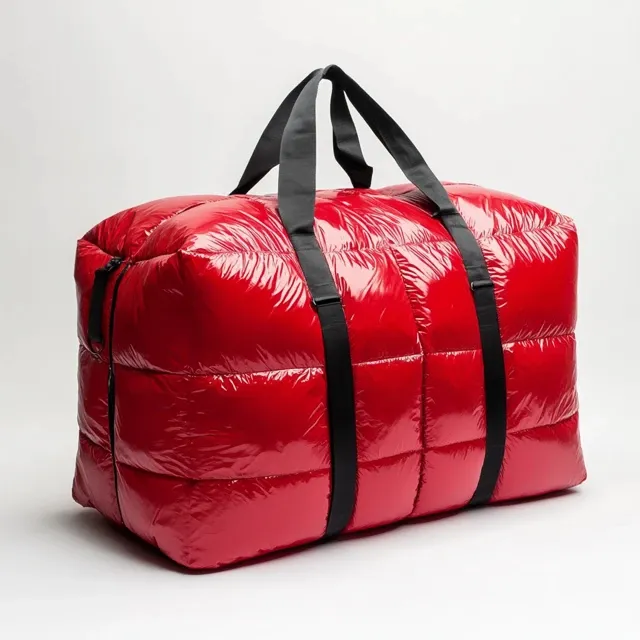
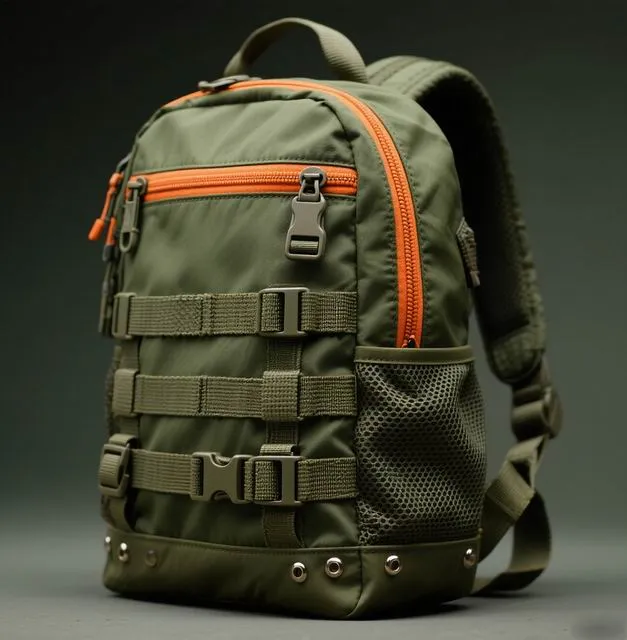
The Production Path a Custom Bag Follows
Process controls behind a repeatable build
Any tour worth taking is a control-point checklist in disguise, not a showroom trip.
Each stage, in the order it happens
- Get the brief straight first: claim, cost target and packing spec, then cut samples.
- Within material sourcing, lock by spec: coating/laminate spec, fabric route, trim vendors.
- Templates, tolerance bands and a reinforcement plan come next.
- Cutting stage: check grain direction plus marker efficiency; hold shade lots steady.
- Sewing and welding: hold the line on stitch spec, seam allowance, critical-zone reinforcement.
- At the final assembly stage, placement jigs position logos, hardware and accessories.
- Inspect to AQL, mark the cartons and raise the shipping documents.
Typical buyer use scenarios
- outdoor sports
- fishing
- boating
- camping
- commuting
Key functions buyers request most
- RF welded seams
- roll-top closure
- airtight zipper option
- lash points
- abrasion reinforcement
Choosing the Best Materials for Custom Bags
| Material | Performance | Cost Range | Preferred For | Upsides & Watch-outs | Risks & How to Control |
|---|---|---|---|---|---|
| TPU laminated nylon | Higher waterproof barrier potential (ISO 811 / AATCC 127 per spec); good scuff resistance when reinforced (ISO 12947 to spec) | US$1.6–5.5 / meter (per the specification) | Claim-led outdoor SKUs and premium builds | Upsides: strong claim ceiling. Watch-outs: crease sensitivity; higher BOM cost | Control laminate peel, crease tolerance and seam strategy; validate waterproof scope early |
| Recycled RPET (route, as specified) | Sustainability positioning; performance depends on coating/laminate (ISO 4920 / ISO 811 per spec) | US$1.5–3.8 / meter (as specified) | Eco positioning programs and corporate procurement | Merits: sustainability narrative. Watch-outs: supply stability and lot drift risks | Lock supplier lots, traceability and color delta; validate print and coating compatibility |
| Canvas / cotton (to spec) | Good hand-feel and print; waterproofing depends on finish (AATCC 22 per the specification) | US$1.0–3.5 / meter (to spec) | Retail lifestyle lines, totes and promotions | Upsides: classic look. Watch-outs: heavier; stain risk without finish | Define shrinkage and colorfastness tests (AATCC 61 / ISO 105 to spec); specify lamination if needed |
Getting to two or three candidate fabrics
- Let the use case lead: abrasion, load paths and moisture pick the fabric for you.
- Decide whether the claim covers the whole bag or only zones like the main compartment.
- Every referenced ISO/AATCC/ASTM procedure should be listed, together with the numeric bar for approval.
- Choose route-suitable trims, from zipper type and sliders to buckles and webbing strength.
- Confirm that print and branding suit the specified fabric.
- Scuffing and creasing usually trace to transit, not to stitching defects.
Development Sequence for a Custom Build
Fields your tech pack cannot skip
Development steps in working order
- Set the buyer, the price bracket and the slot it fills.
- Confirm the claim scope and its test plan by spec.
- Artwork placement, tolerance map, measurement table and BOM: four pieces that make the tech pack.
- Fit, structure and material route get validated at prototype sampling.
- Final BOM, final packaging route: the PP stage.
- Sign-off requirement: QC checklists plus the reference sample, ahead of bulk cutting.
Sampling pitfalls and how to close them
- Review artwork location physically on paper before the selected print process runs.
- Load-test every anchor point: webbing, grab handles and D-ring areas, to specification.
- Review the zipper path, then slider feel, then the cycle requirement per spec.
- Open, close and repack the product many times, watching for corner wear and seam creep.
- One PP sample, built with the final BOM and final packing route, is what needs approval.
- Lock all changes before bulk cutting; avoid late feature creep.
Where sample rounds get saved
A programme that reorders cleanly
Success example (anonymized): a premium program targeting UK & Europe reduced rework by freezing a single tech pack, running one pre-production sample using the final BOM, and aligning QC checkpoints before cutting. A construction that can be duplicated means each season's reorder goes to the same partner.
How the Order Is Actually Produced
Weigh MOQ requirements against turnaround duration and price tier using the options table.
Rather than repeat the same matrix here, keep the detailed grading with the central reference on the full manufacturing workflow — it lists the acceptance numbers and sampling levels our team works to.
Which method, and why it matters
How the Mark Goes On, and What Closes the Bag
Branding options and where each fits
Assembly checks before the carton closes
Numbers age badly when copied into dozens of places, so the maintained version of this grid stays on quality control and certification.
Logistics and Fulfilment
Freight milestones to hold
How to Vet a Bag Production Route
Check every point here prior to signing your OEM/ODM bag contract.
Due diligence, item by item
- Can they work from a pack and tell you what they inferred?
- Are alternatives by spec offered, and BOM sourcing controlled by them?
- Do they evidence QC checkpoints, IQC to IPQC to FQC, and an AQL plan?
- Without hurting workmanship, can they allow a flexible MOQ?
- Can they give firm lead time commitments and a defined escalation path?
- Do they bring packaging and shipping know-how that fits your market?
Audit points to tick before you commit volume
- Incoming material inspection records and traceability by lot
- Measurement tools calibration and template storage
- Packing area: carton marking, barcode process, and SKU separation
- Usable capacity reality: line balance, overtime policy, and peak season plan
Strengths worth weighing
How IEC 60529 Defines Each Mark
The letters IP stand for Ingress Protection, followed by two numerals defined under IEC 60529, published in parallel as EN 60529. The first numeral covers solid ingress from 0 to 6; when it is replaced by the letter X, only liquid resistance was tested. IPX6 means the enclosure survived powerful water jets delivered through a 12.5 mm nozzle at roughly 100 litres per minute from 3 metres, applied for about 3 minutes per square metre of surface area. IPX7 means 30 minutes of immersion at 1 metre, and IPX8 means prolonged immersion under conditions agreed between manufacturer and user, always harder than IPX7.
Those definitions explain why the higher number is not automatically better. A unit qualified for IPX8 by long, shallow submersion can still fail the jet protocol that IPX6 passes routinely, because the two tests stress different things: sustained hydrostatic pressure versus dynamic impact at seams and closures. Select the code against the exposure your customers really face, and where a product meets both, request both codes and print both. Nothing in the standard makes one of them a junior version of the other.
| Rating | Test condition under IEC 60529 | Typical real exposure |
|---|---|---|
| IPX6 | 12.5 mm nozzle, about 100 litres per minute, 3 metres, roughly 3 minutes | Heavy rain, spray at speed, deck washdowns |
| IPX7 | Immersion at 1 metre for 30 minutes | Accidental drop into water followed by quick recovery |
| IPX8 | Prolonged immersion beyond IPX7, conditions agreed and recorded | Sustained submersion during paddling or snorkelling activity |
Interpreting Ratings on Soft Goods, Not Rigid Housings
Carriers introduce a complication laboratories rarely raise unprompted. IEC 60529 was written for rigid electrical enclosures, so applying it to sewn or welded seamed assemblies requires an agreed test fixture, a defined internal witness material, and a stated preconditioning routine that includes flexing before exposure. Fixture drawing, sample count and preconditioning therefore belong on the test request form; without them, results from two laboratories are not comparable and the certificate proves very little about what buyers actually receive later.
A certificate also describes one set of samples on one day, so the value only arrives if the production population behaves identically. Tie the rating to controlled inputs: laminate stack, seam tape width and application temperature, weld parameters, closure geometry and hardware plating. Batch verification then replaces expensive re-certification, using hydrostatic checks referenced to AATCC 127 alongside visual seam inspection on units pulled straight from the line rather than from the sample room.
Ageing deserves equal attention. Run ISO 12947 abrasion and ISO 6330 laundering before re-testing, because a barrier holding when new but degrading after cleaning generates field complaints long after the certificate was filed. Where electronics travel inside, pair ingress checks with ISTA 3A drop testing so closures are validated under impact. Third-party laboratory fees are quoted separately and itemised, with verification scheduled inside the 6-10 working day sampling window, or 12-15 for welded builds, at USD 50-150 credited against a confirmed order.
Bulk then runs 35-50 days against MOQ 500 per colourway, closing with random inspection referenced to AQL 2.5 under ISO 2859-1 at General Inspection Level II. Quotations are returned within 24-48 hours on an FOB Xiamen basis under T/T 30/70 terms, and transit adds 25-35 days by sea, 5-8 days by air or 3-5 days by express. Laminate and closure choices also dictate which branding processes are viable, a topic covered in our notes on decorating welded roll-top carriers and in the bag quality and certification overview.
Frequently Asked Questions (FAQs)
What exactly does an IPX6 rating require under IEC 60529?
IPX6 means the enclosure survived powerful water jets through a 12.5 mm nozzle delivering roughly 100 litres per minute from 3 metres, applied for about 3 minutes per square metre of surface area from multiple directions. Because the first numeral is X, only liquid ingress was assessed, so no dust-protection claim is implied.
How deep can an IPX8 rated carrier actually be taken?
IPX8 always exceeds IPX7, meaning more than 1 metre for longer than 30 minutes, but the exact depth and duration are agreed between manufacturer and user. Insist that those figures are printed on the test report, since a bare IPX8 mark carries no depth information whatsoever for buyers.
Is IPX8 automatically better than IPX6 for outdoor carriers?
Not necessarily. IPX8 addresses prolonged submersion while IPX6 addresses powerful jets, so a unit validated by long shallow immersion can still fail dynamic spray at seams. Products facing rain, spray and washdowns benefit from requesting both codes and documenting both protocols on the test request form.
Can seam-sealed soft carriers be IP tested if the standard targets enclosures?
Yes, but only with an agreed adaptation. The test request must name the fixture drawing, internal witness material, a minimum sample count of 3 per condition and preconditioning including flexing cycles. Without those details recorded, two laboratories can return conflicting results and the certificate will not survive a retailer's technical review.
Which documents should accompany any IP rating claim?
Ask for the full IEC 60529 test report listing exposure parameters, sample photographs, unique sample identification and the laboratory's ISO/IEC 17025 accreditation scope for that method. Cross-check the construction details against the golden reference unit so the certificate genuinely matches what enters bulk production later.
Does an IP rating survive abrasion and repeated cleaning?
Only if verified that way. New-state results are insufficient, so rerun hydrostatic checks referenced to AATCC 127 after ISO 12947 abrasion at the base corners and after ISO 6330 laundering. Recording before-and-after figures makes acceptance decisions objective instead of dependent on how samples happened to age.
How much time does ingress verification add to the sampling stage?
Verification is scheduled inside the 6-10 working day sampling window, extending to 12-15 for welded structures, and third-party laboratory turnaround runs in parallel. The USD 50-150 sampling charge is credited against your confirmed order, while separate laboratory fees are itemised in the quotation rather than buried inside the unit price.
How does chasing a higher ingress rating change unit cost?
Higher ratings push you toward welded seams, taped joins and laminated closures, which means jigs and dies inside the USD 300-2,500 tooling band amortised across MOQ 500 units. Closure hardware upgrades usually dominate material cost, so compare VARIANTS side by side before freezing the specification.
Related Guides
Internal resources
- Request a quote (RFQ)
- Browse products & categories
- Factory capabilities & process
- Download RFQ template
Related blog posts
- Waterproof Laptop Backpacks: Best-Selling Features
- Waterproof Golf Bags: Rain Hood & Sealed Seams
- Waterproof Duffel Bags for Travel: Best-Selling Designs
- Waterproof Dry Sacks: Sizing Guide for Manufacturers
- Why Choose a Full-Service OEM/ODM Bag Manufacturer
- What Is a Tech Pack & Why It’s Critical for Custom Bag OEM
Next step
• Lock keyword and claim scope for custom custom bag oem
• Build a tech pack with BOM + tolerance map
• Choose materials route and validate tests (by spec)
• Plan sampling gates (lead time 6-10 working days)
• Set MOQ and cost targets (MOQ 500 pcs)
• Define QC plan and AQL checkpoints
• Confirm production + shipping timeline (25–35 days)
Start your next bag programme
Send over your requirements; a manufacturing plan and structured RFQ checklist are prepared for you.
Next guides: custom backpacks.
The difference between a spray test and an immersion test
IPX6 and IPX8 are not points on a single scale of "how waterproof". IPX6 is a high-pressure jet test with no immersion at all, while IPX8 is a continuous immersion test agreed between buyer and seller. A product can pass IPX8 and still fail IPX6, which surprises people the first time they see both results on one report.
The code comes from the IEC 60529 enclosure classification, with the automotive sector using ISO 20653 for the equivalent water codes. The first digit after "IP" covers solid ingress and is written as X when it has not been tested; the second digit covers water. Because the X means "not evaluated" rather than "zero", a bag marked IPX6 tells you nothing about dust protection, and you should not read it as a general-purpose durability grade.
IPX6 is brutal in a specific way: a 12.5 mm nozzle delivers roughly 100 litres per minute at about 100 kPa from 3 metres, for at least 3 minutes. That is a jet, not rain. It is the right test for a bag that will be strapped to a motorcycle or left on a boat deck, and it is a poor proxy for a bag that will be dropped in a river. IPX7 is the short-immersion level at 1 metre for 30 minutes, and IPX8 is deeper or longer than IPX7 under conditions the manufacturer declares — which is why an IPX8 claim without a stated depth and duration is close to meaningless.
Ratings, test parameters and what to specify
When you write the rating into a purchase specification, write the parameters as well. The table gives the standard conditions; anything a supplier quotes outside these should be treated as a custom test and documented accordingly.
| Code | Test | Parameters | Duration | Typical use case |
|---|---|---|---|---|
| IPX4 | Splashing water | Oscillating or spray nozzle, 10 litres per minute | 5 minutes | Commuter day pack, rain cover |
| IPX5 | Water jet | 6.3 mm nozzle, 12.5 litres per minute | 3 minutes minimum | Cycling pack, light marine |
| IPX6 | Powerful water jet | 12.5 mm nozzle, 100 litres per minute, 100 kPa | 3 minutes minimum | Deck bag, motorcycle tail pack |
| IPX7 | Temporary immersion | 1 metre depth, or 150 mm above the top | 30 minutes | Bag dropped in water, recovered |
| IPX8 | Continuous immersion | Depth and duration declared by manufacturer | As declared, beyond IPX7 | Submersible pouch, sealed case |
| N/A | Static water column | AATCC 127 or ASTM D751 hydrostatic head | Until failure | Fabric and coating selection |
Construction determines which code is achievable, and the two dominant routes behave differently. A coated fabric with a taped or welded seam can reach IPX7 or IPX8 honestly, because the failure point becomes the closure rather than the seam. A woven fabric with a DWR finish and a rain cover may pass IPX4 comfortably, will struggle at IPX6, and should not be sold on an immersion claim at all. Hydrostatic head figures from AATCC 127 or ASTM D751 describe the fabric only; they say nothing about a seam that has 12 needle holes per inch running down its length.
The honest way to buy this is to test the finished bag, not the swatch. Our production team quotes a rating only after a finished sample has been through the relevant chamber or bath, and the report states the sample's configuration — closure type, seam method, and whether the bag was empty or loaded. A roll-top closure with three folds and a side-release buckle routinely outperforms a water-resistant zipper of similar cost, and a welded construction beats a sewn-and-taped one at immersion depths beyond a metre.
Cost follows construction, not rating. Moving from a DWR-finished woven shell to a welded TPU laminate usually adds a meaningful step to unit price and pushes sampling from the standard 6 to 10 working days out to 12 to 15, particularly when jigs for RF welding have to be made; tooling for that work typically runs USD 300 to 2,500. Indicative FOB Xiamen pricing for backpacks sits at 4.50 to 9.00 at a 500-unit MOQ, with sealed-seam constructions at the upper end. Fabric options are set out under custom bag materials, and the test documentation we can issue is described on quality and certification. For the branding constraints that come with coated shells, see logo methods on sealed-seam packs.
Numbers age badly when copied into dozens of places, so the maintained version of this grid stays on quality control and certification.
Rather than repeat the same matrix here, keep the detailed grading with the central reference on material selection — it lists the acceptance numbers and sampling levels our team works to.