Custom Messenger Bags for Business & Commute
Compare how to run a custom messenger bag oem program for Global: materials, tech pack, sampling, QC and shipping. Get OEM/ODM-ready checklists and quote
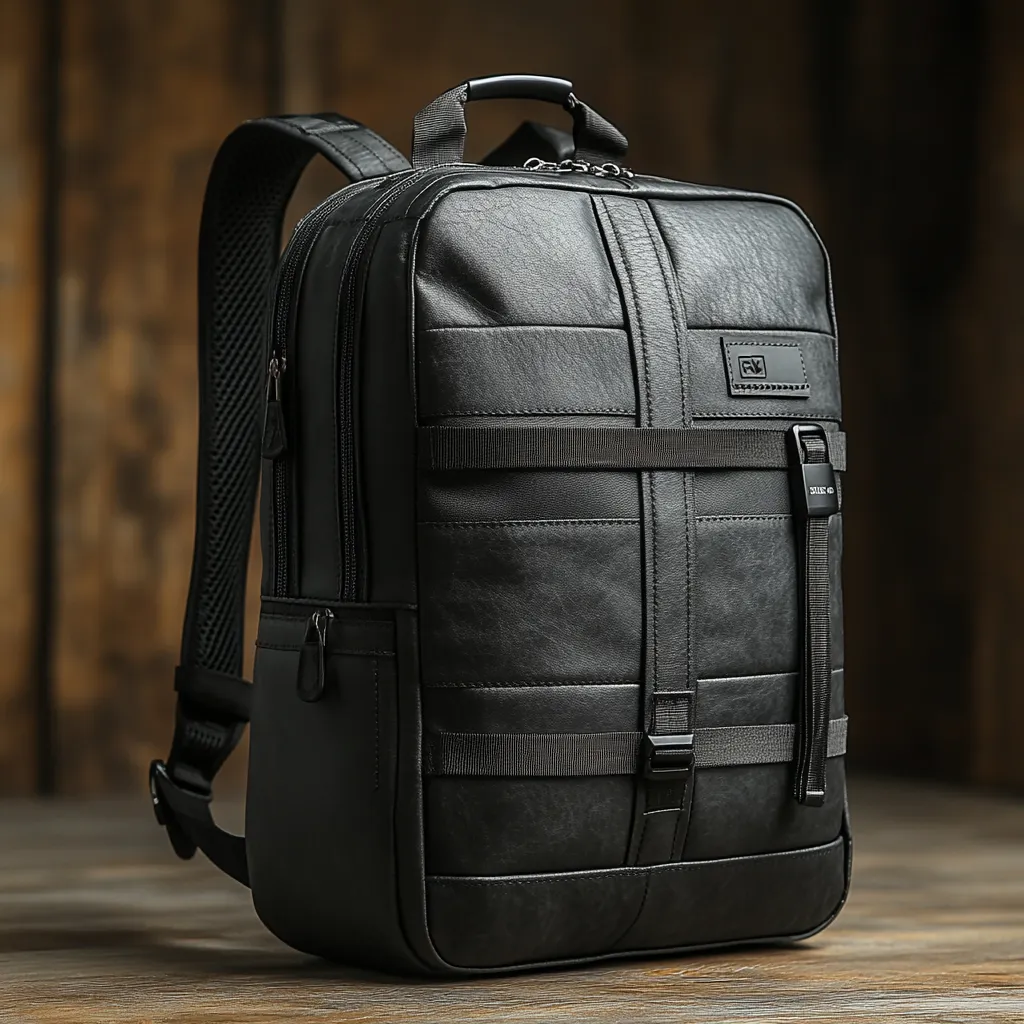
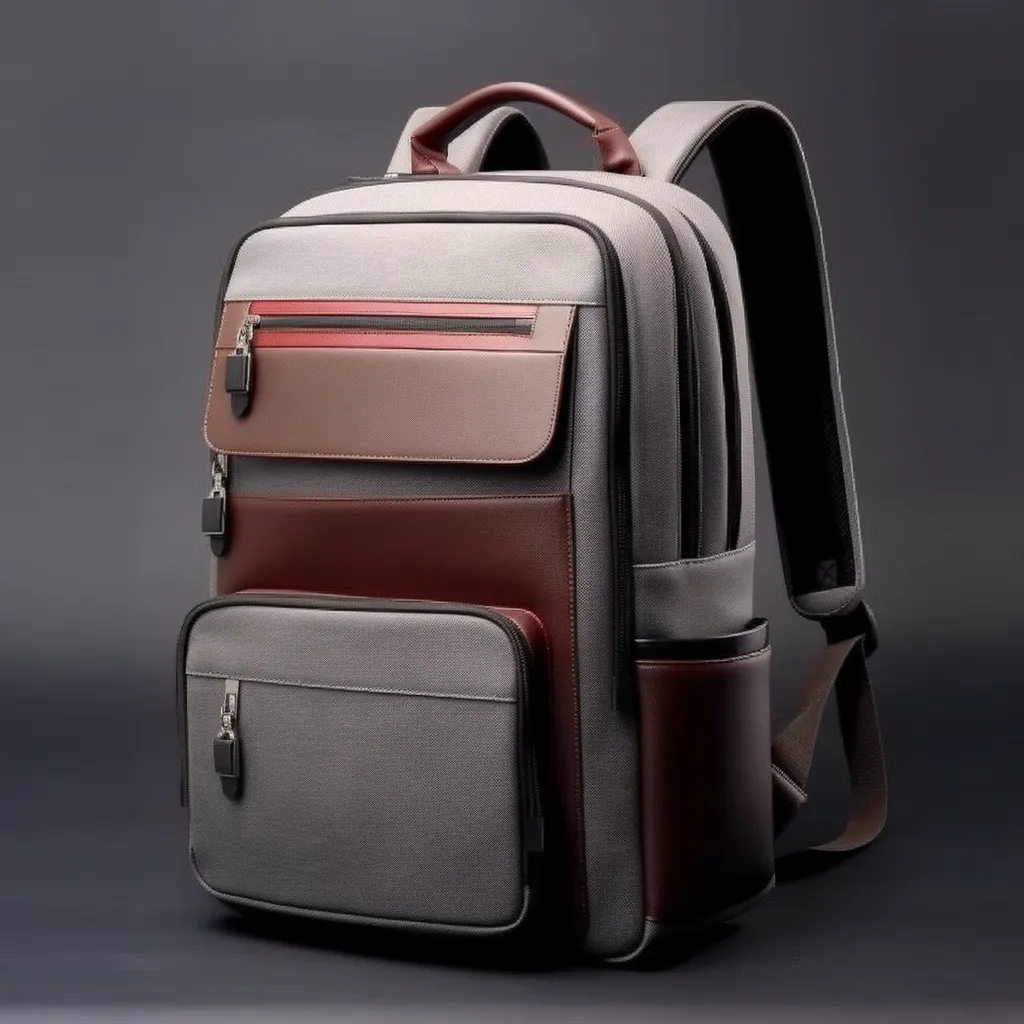
The Production Path a Messenger Bag Follows
A professional messenger bag program is a controlled workflow: clarify requirements, lock the build route, validate with measurable gates, then scale production with repeatable QC.
Primary SEO focus: custom messenger bag oem. Secondary: messenger bag manufacturer, private label bags, custom logo bags, OEM ODM bags.
Process controls behind a repeatable build
Any tour worth taking is a control-point checklist in disguise, not a showroom trip.
Each stage, in the order it happens
- Get the brief straight first: claim, cost target and packing spec, then cut samples.
- Within material sourcing, lock by spec: coating/laminate spec, fabric route, trim vendors.
- Templates, tolerance bands and a reinforcement plan come next.
- Cutting stage: check grain direction plus marker efficiency; hold shade lots steady.
- Sewing and welding: hold the line on stitch spec, seam allowance, critical-zone reinforcement.
- At the final assembly stage, placement jigs position logos, hardware and accessories.
- Inspect to AQL, mark the cartons and raise the shipping documents.
Typical buyer use scenarios
- brand launches
- wholesale programs
- corporate procurement
- retail distribution
Key functions buyers request most
- custom sizing
- durable construction
- logo branding options
- retail-ready packaging
- consistent QC
Choosing the Best Materials for Custom Messenger Bags
| Material | Performance | Cost Range | Leading For | Advantages & Watch-outs | Risks & How to Control |
|---|---|---|---|---|---|
| nylon | Balanced wear resistance (ISO 13934 tensile to spec); good abrasion resistance (ISO 12947 per the specification); stable for branding | US$1.6–5.5 / meter (per the specification) | Volume styles with predictable yield | Upsides: versatile. Trade-offs: performance depends on coating/finish | Lock coating spec, color tolerance and print compatibility; confirm reinforcement mapping |
| PU coated polyester (600D, as specified) | Good repellency (ISO 4920 / AATCC 22 to spec); moderate barrier (ISO 811 per spec) | US$1.2–6.0 / meter (per the specification) | Value/core lines where print clarity matters | Upsides: cost controlled. Watch-outs: coating wear over time | Define spray rating targets and scuff resistance benchmarks; protect high-wear zones |
| Canvas / cotton (per the specification) | Good hand-feel and print; waterproofing depends on finish (AATCC 22 to spec) | US$1.0–3.5 / meter (to spec) | Retail lifestyle lines, totes and promotions | Upsides: classic look. Watch-outs: heavier; stain risk without finish | Define shrinkage and colorfastness tests (AATCC 61 / ISO 105 per spec); specify lamination if needed |
Getting to two or three candidate fabrics
- Let the use case lead: abrasion, load paths and moisture pick the fabric for you.
- Decide whether the claim covers the whole bag or only zones like the main compartment.
- Every referenced ISO/AATCC/ASTM procedure should be listed, together with the numeric bar for approval.
- Choose route-suitable trims, from zipper type and sliders to buckles and webbing strength.
- Confirm that print and branding suit the specified fabric.
- Scuffing and creasing usually trace to transit, not to stitching defects.
Development Sequence for a Custom Build
Fields your tech pack cannot skip
Condensed here by design — the extended comparison belongs to handbag specifications, alongside the rest of the reference data.
Development steps in working order
- Set the buyer, the price bracket and the slot it fills.
- Confirm the claim scope and its test plan by spec.
- Artwork placement, tolerance map, measurement table and BOM: four pieces that make the tech pack.
- Fit, structure and material route get validated at prototype sampling.
- Final BOM, final packaging route: the PP stage.
- Sign-off requirement: QC checklists plus the reference sample, ahead of bulk cutting.
Sampling pitfalls and how to close them
- Confirm fabric shade and coating feel with the actual supplier lot (as specified).
- Load-test every anchor point: webbing, grab handles and D-ring areas, to specification.
- Review the zipper path, then slider feel, then the cycle requirement per spec.
- Three things need checking per lane: rub marks, folding lines, and defence against humidity.
- One PP sample, built with the final BOM and final packing route, is what needs approval.
- Lock all changes before bulk cutting; avoid late feature creep.
Where sample rounds get saved
Numbers age badly when copied into dozens of places, so the maintained version of this grid stays on material selection.
A programme that reorders cleanly
Success example (anonymized): a mid-range program targeting Global reduced rework by freezing a single tech pack, running one pre-production sample using the final BOM, and aligning QC checkpoints before cutting. A construction that can be duplicated means each season's reorder goes to the same partner.
Production & Manufacturing Methods for Messenger Bags
Weigh MOQ requirements against turnaround duration and price tier using the options table.
| Production Type | Lead Time | MOQ | Cost Level | Top pick For |
|---|---|---|---|---|
| Small-batch pilot run | 6-10 working days + 35-50 days | 500 pcs | medium | Startups, corporate gifting, SKU validation |
| Standard OEM mass production | 35-50 days | medium–high (per the specification) | optimized | Retail replenishment and stable demand |
| New tooling / new raw inputs route | sampling + production per the specification | per spec | premium | New silhouettes and claim-led innovation |
Which method, and why it matters
Rather than repeat the same matrix here, keep the detailed grading with the central reference on the full manufacturing workflow — it lists the acceptance numbers and sampling levels our team works to.
How the Mark Goes On, and What Closes the Bag
Branding options and where each fits
Assembly checks before the carton closes
- Branding mark alignment check against placement template
- Zipper end reinforcement and smoothness check
- Visual check for wrinkles, creases, and surface scuffs before packing
Logistics and Fulfilment
Freight milestones to hold
Detailed thresholds, sampling levels and test references are consolidated on custom backpack specifications so one source stays current for every programme.
Key Factors to Choose a Reliable Messenger Bags Manufacturer
Use this checklist before signing an OEM/ODM contract for messenger bags.
Due diligence, item by item
- Can they work from a pack and tell you what they inferred?
- Are alternatives by spec offered, and BOM sourcing controlled by them?
- Do they evidence QC checkpoints, IQC to IPQC to FQC, and an AQL plan?
- Without hurting workmanship, can they allow a flexible MOQ?
- Can they give firm lead time commitments and a defined escalation path?
- Do they bring packaging and shipping know-how that fits your market?
Audit points to tick before you commit volume
- Needle control and metal detection process (if required per spec)
- Inline QC stations and sampling frequency
- Measurement tools calibration and template storage
- Packing area: carton marking, barcode process, and SKU separation
- Usable capacity reality: line balance, overtime policy, and peak season plan
Strengths worth weighing
For the complete spec grid — including the acceptance criteria and lot sizes — read tote bag specifications.
Sizing, Closures and Hardware for a Commuter Messenger
A business messenger is specified by the device it carries. A 13 inch laptop needs an internal sleeve width of about 33 cm, a 14 inch about 35 cm, and a 16 inch about 38 cm, with 10-15 mm of closed-cell foam on both faces and a suspended floor so the corner does not sit on the base seam. Beyond the sleeve, volume lands at 12-20 L, enough for a charger, a notebook and a bottle without the bag reading as luggage.
Closure choice carries most of the product character. A magnetic snap is quiet and one-handed but pops under an over-packed flap; a metal cam buckle is secure and brandable but slower; hook-and-loop is cheap and quiet but wears and collects lint; a zip under the flap gives real security at higher unit cost. Most commuter programmes pair a buckle or magnet with a full-width zip beneath, which is the only combination that survives a crowded train.
The crossbody strap carries everything else. Webbing of 38 mm is the minimum for a 4-5 kg load and 50 mm distributes better over a long walk, with a sliding shoulder pad of 8-10 mm foam and a grippy backing so the bag does not migrate forward. One-handed adjustment is a real requirement on a commute, so the adjuster sits where the hand actually reaches. Strap ends are bar-tacked with a box stitch into a reinforcement patch, not simply caught in the side seam.
Shell materials set the price band. 1680D ballistic nylon and 900D polyester are the durable defaults; waxed canvas at 12-16 oz gives a different hand and marks with use; full-grain leather trim reads premium and is tested to ISO 17075 for chromium VI below 3 mg/kg. Water shedding is measured by AATCC 22 spray test, and hardware finishes are checked by ASTM B117 salt spray, since a commuter bag meets rain and skin in equal measure.
Organisation and shielding finish the layout. A slip pocket, pen slots and a key clip behind the flap are standard, and a rear trolley sleeve covers the mixed commute. An RFID-blocking pocket uses a conductive liner verified by a read test at 13.56 MHz before approval; it is sold as a convenience feature, not as a security guarantee, and that wording matters for retail copy.
QUANZHOU JUNYUAN BAGS quotes within 24-48 hours of a tech pack. MOQ is 500 pieces per colourway, sampling takes 6-10 working days and 12-15 when leather trim or a custom buckle is involved, hardware tooling runs USD 300-2,500 and sample fees of USD 50-150 are credited on order. Bulk takes 35-50 days with AQL 2.5 inspection under ISO 2859-1 level II, payment is T/T 30/70 and shipment is FOB Xiamen. The run is scheduled across 7 lines staffed by 137 people, with a monthly capacity of 200,000 bags.
Related: laptop bag programmes and the rolling backpack that serves the same commuter on heavier days.
Frequently Asked Questions (FAQs)
What internal sleeve width fits a 16 inch laptop in a messenger bag?
A 16 inch laptop needs about 38 cm of internal sleeve width, a 14 inch about 35 cm and a 13 inch about 33 cm. Add 10-15 mm of closed-cell foam on both faces and a suspended floor so the corner clears the base seam.
Which closure type keeps a messenger flap shut during a daily commute?
Most commuter programmes pair a buckle or magnet with a full-width zip beneath the flap. A magnetic snap alone pops when the bag is over-packed, hook-and-loop wears and collects lint, and a cam buckle is secure but slower.
How wide should a crossbody strap be to carry a 5 kg load?
38 mm webbing is the minimum for a 4-5 kg messenger and 50 mm distributes better over a long walk. A sliding shoulder pad of 8-10 mm foam with a grippy backing stops the bag migrating forward as you move.
What spray test rating should a commuter messenger shell reach under AATCC 22?
A spray rating of 90 or higher under AATCC 22 is the usual target for a commuter shell, which sheds a shower long enough to reach shelter. A PU-backed 900D or 1680D shell reaches that without a heavy coating.
How is an RFID-blocking pocket verified to shield 13.56 MHz cards?
The conductive liner is verified by a read test at 13.56 MHz before approval, confirming a card inside the pocket cannot be scanned. It is sold as a convenience feature rather than a guarantee against determined attacks.
Which hardware finish test applies to a metal buckle exposed to rain?
Metal hardware is run to ASTM B117 salt spray and checked for nickel release under EN 1811 wherever it contacts skin. Plating below about 5 microns shows wear at the contact edges within a season of daily commuting.
How much does full-grain leather trim add to a messenger bag unit cost?
Full-grain trim raises unit cost well above a synthetic alternative and is tested to ISO 17075 for chromium VI below 3 mg/kg. A custom buckle adds USD 300-2,500 in tooling, while stock hardware avoids that entirely.
What empty weight target should a business messenger bag hit before sampling?
A 12-20 L commuter messenger should land under about 1.0-1.3 kg empty so a 5 kg carry stays comfortable one-handed. Weight is managed by choosing 900D over 1680D and trimming hardware count, not by thinning the laptop sleeve.
Related Guides
Internal resources
- Browse products & categories
- Factory capabilities & process
- Download RFQ template
- Download QC checklist
- Retail packing specification guide
Related blog posts
- Fashion Tote Bags: Trendy Designs for Retail Brands
- Fashion Bag OEM: Trend Forecasting for 2026–2027
- Eco Tote Bags: GRS-Certified Recycled Fabrics
- Eco-Friendly Waterproof Bag Materials (Recycled & Non-Toxic)
- Golf Bag OEM: 14-Way Dividers & Stand Design
- Golf Bag Materials: Microfiber Leather & Waterproof Fabrics
Next step
• Lock keyword and claim scope for custom messenger bag oem
• Build a tech pack with BOM + tolerance map
• Choose materials route and validate tests (by spec)
• Plan sampling gates (lead time 6-10 working days)
• Set MOQ and cost targets (MOQ 500 pcs)
• Define QC plan and AQL checkpoints
• Confirm production + shipping timeline (35-50 days)
Start your next bag programme
Send over your requirements; a manufacturing plan and structured RFQ checklist are prepared for you.
Next guides: custom backpacks.
Fit Rules for a Bag That Carries a Laptop and a Commute
A messenger bag is carried on one shoulder for twenty to forty minutes at a time. Every dimension should answer to that.
The sleeve is where most programmes start and most mistakes happen. Internal dimensions must exceed the device by 10–12 mm on width and height, otherwise a 14-inch laptop in a hard case will not enter a sleeve cut for a bare 14-inch body. Padding should be closed-cell, 6–8 mm on the back panel side and 4–6 mm on the front, with a suspended base so the corner of the device never touches the floor when the bag is set down. That last detail — a false bottom of 15–20 mm — prevents the cracked-corner warranty claim that no one attributes to the bag.
| Device | Sleeve internal (mm) | Padding | Strap width | Body depth |
|---|---|---|---|---|
| 11–12 inch tablet | 300 × 215 | 5 mm | 32 mm | 70–80 mm |
| 13 inch laptop | 335 × 235 | 6 mm | 38 mm | 85–95 mm |
| 14 inch laptop | 355 × 245 | 6–8 mm | 38 mm | 90–100 mm |
| 15–16 inch laptop | 385 × 265 | 8 mm | 50 mm | 100–115 mm |
Failure Modes and the Commute Test
Strap slip is the complaint that ends a messenger programme. A webbing strap narrower than 38 mm concentrates load, and a smooth polyester webbing slides off a suit shoulder all day. The fix is a wider strap with a rubberised or Jacquard-woven grip strip on the underside, plus a non-slip pad that is stitched rather than floating. Specify the pad position relative to the strap length, or it will sit on the wrong shoulder for half your users. Test it on a real shoulder: with 3 kg inside, the bag should stay put during two minutes of brisk walking. If it migrates, widen the pad rather than increasing grip texture, because a tackier pad grips and wears clothing.
Rain entry is the second. A flap gives good protection on the face of the bag but leaves the two side gussets exposed; if the bag will be walked through weather, require a gusseted flap that covers to within 15 mm of the side seam, or add a taped liner and a storm lip over the main zipper. Water resistance can be verified cheaply with AATCC 22 spray rating or AATCC 35 rain test, and a hydrostatic figure per AATCC 127 where the lining is laminated.
Magnetic closures are popular and quietly problematic. A magnet strong enough to hold a loaded flap will demagnetise slowly if it is placed against a laptop lid, and a magnet that has been through a few hundred cycles loses noticeable pull. If your buyer cares, use a mechanical turn-lock or a magnetic closure with a secondary hook, and keep magnets at least 30 mm away from the sleeve wall. One more hardware note: a metal zipper looks correct on a business bag and marks a laptop lid, so specify a coil or reverse-coil zipper with a covered tape wherever the bag will be opened on a desk.
Interior organisation for a commuter is a small number of decisions that most briefs overcomplicate. Two slip pockets, one zipped pocket, a pen loop and a key clip cover the majority of real contents; a twelve-slot organiser panel looks impressive in a catalogue and is rarely used. The specification that matters is depth — a pocket shallower than 120 mm swallows a phone sideways, and one deeper than 180 mm loses a passport. Put the zipped pocket on the body side of the bag, against the wearer rather than under the flap, because that is the position where security actually matters. Size the pen loop for a real pen and avoid elastic, which perishes in about two years, well before the bag does.
Decide the silhouette with a rule rather than a mood: if the user carries over 3 kg and walks more than fifteen minutes, a backpack harness beats a messenger strap on comfort, and the messenger wins only on boardroom appearance and access speed. Organiser depth is the tie-breaker — a flat commuter bag under 100 mm depth reads as business; over 115 mm it reads as a courier bag. Compare sleeve and harness options in the laptop bag range, and review hardware and leather choices under the handbag programme. If the load is heavier than a commute, read this engineering note on wheels and handles.
Numbers age badly when copied into dozens of places, so the maintained version of this grid stays on quality control and certification.
Rather than repeat the same matrix here, keep the detailed grading with the central reference on material selection — it lists the acceptance numbers and sampling levels our team works to.