Your Trusted Custom Neoprene Bags Manufacturer
Neoprene bags and sleeves for protection, soft structure, and premium hand-feel. OEM/ODM manufacturing for retail and promotional programs.
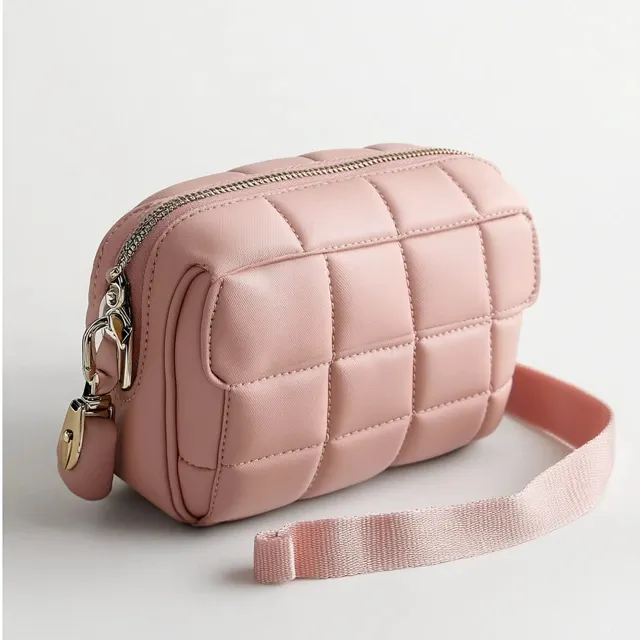
Spec snapshot
A fast engineering view of what matters for sourcing, quoting, and repeatable production.
| Item | Typical | Notes |
|---|---|---|
| Neoprene thickness | 1.5mm / 2mm / 3mm / 5mm (by spec) | Thickness drives structure, protection, and bulk cost |
| Surface program | nylon jersey / polyester jersey / special finish | Surface defines printing options and color consistency |
| Edge method | bound / raw cut / folded + stitch | Edge finishing impacts premium feel and long-term fray control |
| Closure | zip / drawcord / open top (by program) | Closure choice changes pattern geometry and failure points |
| Typical MOQ | 500–1,200 pcs | Depends on printing coverage, colors, and accessory trims |
Neoprene Lamination Stack
Neoprene bags are material-stack products. We control surface jersey selection, core thickness, and bonding parameters to prevent delamination and keep appearance stable.
Thickness Guide
Thickness is not just protection—it impacts structure, zipper geometry, and the product’s perceived value. We help you pick a thickness that matches channel expectations.
Edge & Seam Method Comparison
Neoprene edges define tactile feel and long-term appearance. We select methods based on the look you want and the durability you need.
| Method | Look | Durability | Notes |
|---|---|---|---|
| Bound edge (tape) | clean and premium | high | best fray control; more sewing time |
| Flatlock stitching | sporty and technical | medium-high | comfortable seam feel; alignment control required |
| Raw cut (by spec) | minimalist | medium | requires stable lamination; define tolerance for edge aesthetics |
| Folded edge + stitch | soft edge | high | reduces edge abrasion; needs consistent thickness control |
Print & Finish Control
Printing neoprene is about controlling flex behavior and color stability. We pick the method that matches artwork, surface jersey, and your durability target.
Materials & fabrics
Material choice drives performance, durability, finishing, and target price point.
| Fabric | Waterproof | Cost | Notes |
|---|---|---|---|
| Neoprene (various thickness) | water-resistant | varies | Thickness drives protection and structure. |
| Laminated jersey fabric | depends on finish | varies | Surface options for printing and colors. |
• stitch strength checks
• AQL final inspection
• Soft structured retail accessories
• Promotional gifts
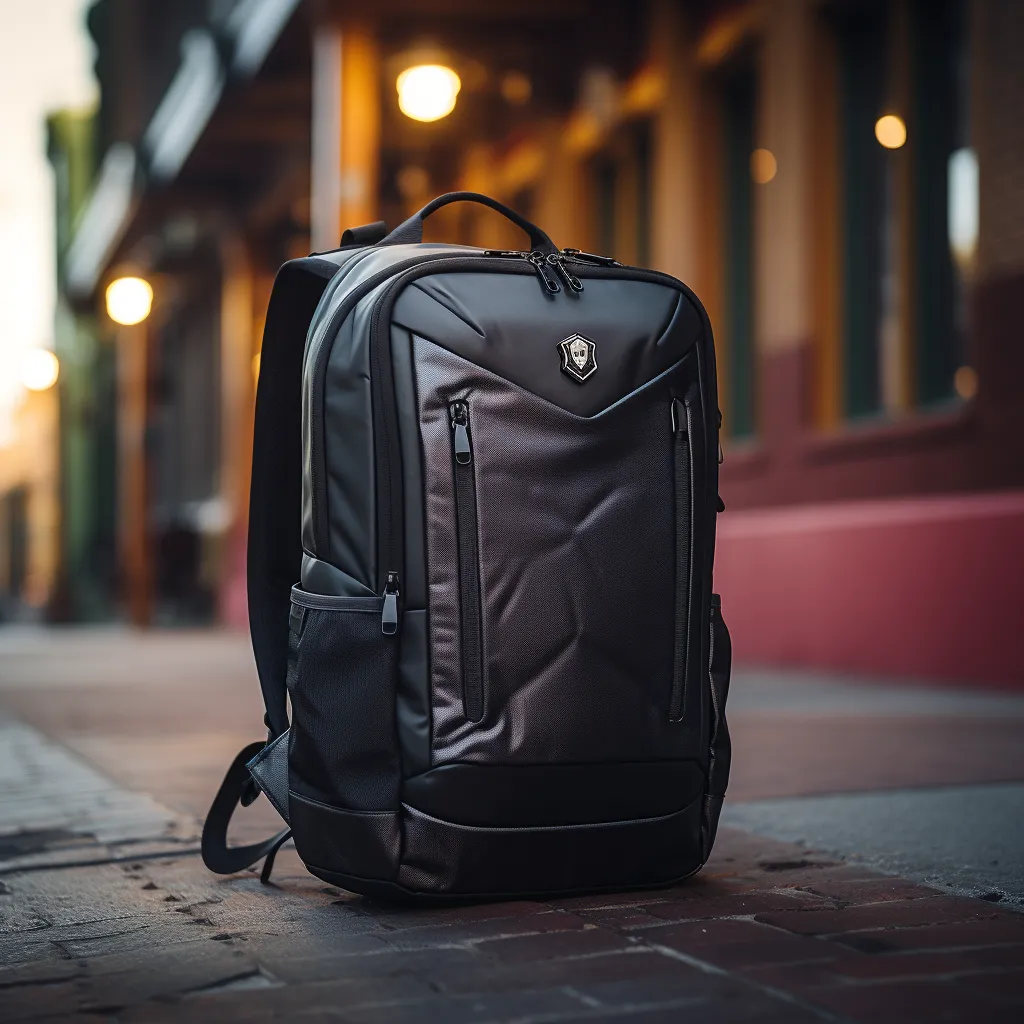
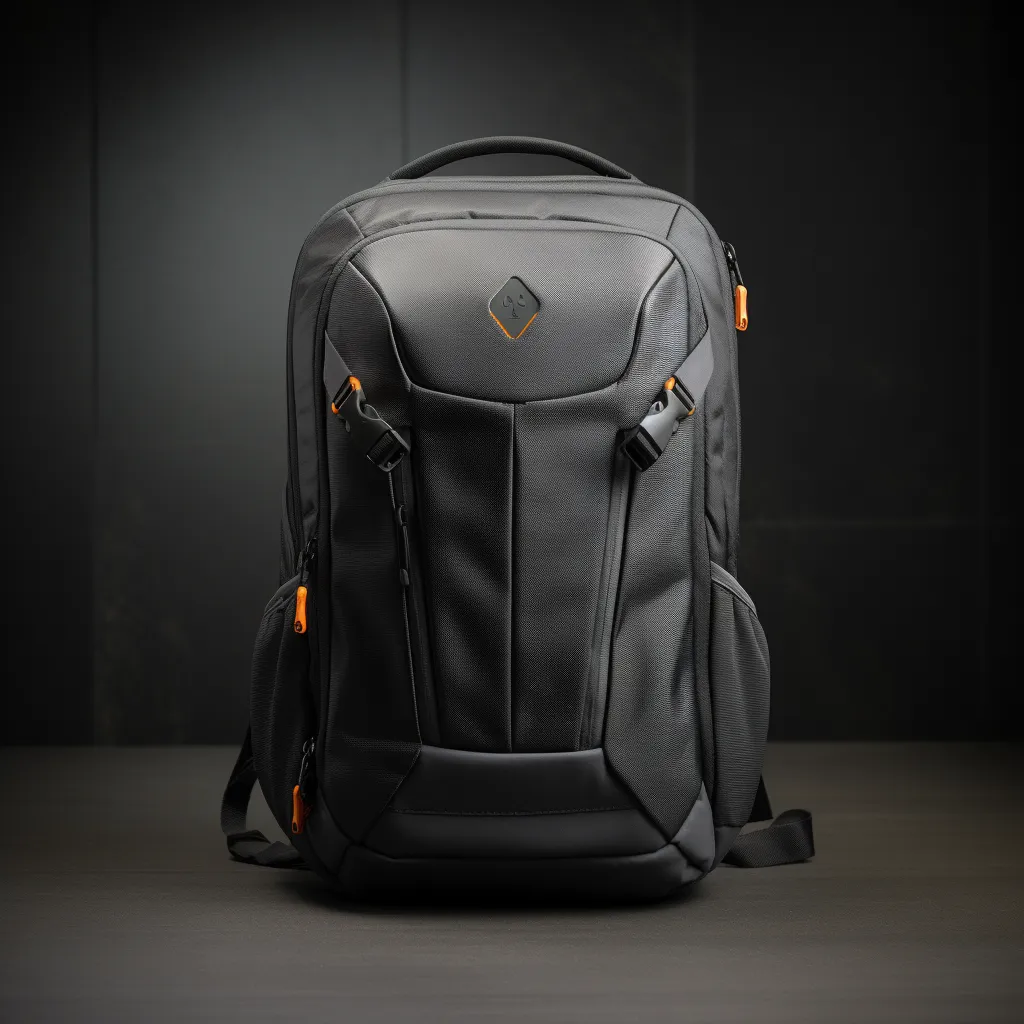
• Neoprene thickness target and hand-feel positioning
• Surface jersey choice and printing method preference
• Edge finishing preference (bound/flatlock/raw/folded) and premium level
• Closure style (zip/drawcord/open) and pocket requirements
• Branding/packaging needs and any durability tests required (by spec)
Start custom neoprene bags production
Send your requirements and get a structured RFQ checklist and a manufacturing plan.
Neoprene is a closed-cell foam with a fabric face laminated to one or both sides, and everything about a bag made from it follows from that sentence. It insulates, it cushions, it holds a printed image beautifully, and it does not breathe. It also behaves unlike any woven fabric in a sewing room: it stretches, it compresses under a presser foot, and its seams decide whether the finished bag holds shape.
Specification options for neoprene bags
Four variables define the build: foam thickness, foam grade, face lamination and seam construction. Thickness sets insulation and structure, grade sets compression resistance and cost, lamination sets how the surface prints and wears, and the seam sets strength and water behaviour. The grid below is the working range.
| Parameter | Light | Standard | Structured |
|---|---|---|---|
| External size (W x D x H) | 280 x 130 x 300 mm | 330 x 150 x 360 mm | 380 x 170 x 400 mm |
| Volume | 8 L | 14 L | 20 L |
| Foam thickness | 3.0 mm | 4.0 mm | 5.0 mm |
| Foam grade | Standard SBR | Limestone-based CR/SCR | High-density SCR |
| Face lamination | Polyester jersey both sides | Jersey outside, tricot inside | Sublimation-ready knit outer |
| Seam construction | Overlock, 4-thread | Blind stitch | Blind stitch + taped interior |
| Closure | #5 coil zip | #5 reverse coil | #8 coil, moulded pull |
| Base treatment | Folded, stitched | Internal stiffener | Moulded insert + feet |
| Empty weight | 380 g | 620 g | 880 g |
| Device protection | 13 in sleeve | 15.6 in suspended | 16 in suspended, lined |
| Documented compliance | REACH, Proposition 65 | Adds OEKO-TEX Standard 100 | Adds CPSIA, EN 71-3 where required |
Seam choice is the decision buyers get wrong most often. An overlocked seam through foam compresses the material at the join and leaves a visible ridge; a blind stitch passes a curved needle through the foam without piercing it, so the seam sits in a groove and the panel edges meet flush. Blind stitching is slower and needs a trained operator, but it is the only construction that gives a clean external line on thick material.
How neoprene bags are built
Nesting comes first and it is a yield problem, not a sewing problem. Neoprene sheet is sold by the metre, panels are large, and a careless marker wastes more money than any other decision in the build. Panels are nested with grain direction respected - the foam has a direction of greater stretch - and cut with a die or a rotary blade rather than scissors, because a ragged edge shows through the lamination.
Lamination is either done at the mill or in-house, and it changes what is possible. Mill-laminated material arrives with the fabric bonded under heat and pressure in a continuous process, which gives consistent adhesion. In-house lamination allows a custom face fabric to be bonded to a stock foam, which is how printed and patterned faces are produced, and it requires an adhesive and cure cycle that is validated before production.
Seaming is the craft step. Blind stitch machines run a curved needle that enters the foam, turns and exits without breaking the outer face, and the stitch density is set so the seam closes without puckering. Corners are the hard part: a 90-degree turn in 5 mm foam needs the material skived - thinned down on a skiving machine - before it is folded, otherwise the corner is a hard lump.
Structure is added where neoprene will not supply it on its own. The material is soft and a 20 litre bag made from it slumps, so a base stiffener, a back panel insert and sometimes a hidden frame along the top edge are specified. Handle attachment is always reinforced with a webbing loop, since stitching a handle directly to foam pulls through under load.
Printing is where the material shines. Dye sublimation on a polyester face gives full-colour, photographic, permanent imagery that does not crack, because the dye becomes part of the fibre rather than sitting on top of it. Screen printing and heat transfer also work; sublimation requires a white or light-coloured polyester face and a controlled press cycle.
Cost drivers and MOQ for neoprene bags
Foam thickness and grade are the material drivers, and they compound: 5 mm high-density foam costs more per metre and yields fewer panels per metre. Seam method is the labour driver - blind stitching is materially more expensive than overlocking. Sublimation adds cost at low volume because the print run has a fixed set-up, and drops per unit as volume rises.
| Configuration | Indicative FOB | Primary cost driver |
|---|---|---|
| 8 L, 3 mm, overlocked | USD 2.60 - 4.20 | Foam grade, panel yield |
| 14 L, 4 mm, blind stitch | USD 4.80 - 7.20 | Seam labour, stiffener |
| 20 L, 5 mm, structured | USD 7.40 - 11.00 | Insert tooling, lining |
| Full-colour sublimation | + USD 0.90 - 2.40 | Print set-up, coverage |
| Custom lamination face fabric | + USD 0.55 - 1.60 | Fabric cost, bonding cycle |
Programme terms: minimum order quantity is 500 units per style and colour, dropping to 300 on repeat programmes. Sampling takes 6 to 10 working days, or 12 to 15 where a custom lamination or a print strike-off is needed. Mass production runs 35 to 50 days after sample approval. Sample fees of USD 50 to 150 are credited to your first bulk order, tooling is quoted at USD 300 to 2,500, quotes return in 24 to 48 hours, and terms are T/T 30/70 FOB Xiamen with EXW, CIF and DDP available under Incoterms 2020.
Quality gates and acceptance criteria
Adhesion between foam and face fabric is the first thing tested, because delamination is the defect that ends a product's life. A peel test is run on laminated material before cutting and on finished samples after washing, and any sign of bubbling sends the batch back. Seam strength follows, tested in both directions on the same panel.
- Seam strength to ISO 13934-1 on blind-stitched and overlocked constructions, sampled per shift.
- Wash durability to ISO 6330 where the product is sold as machine washable, followed by re-inspection of seams and print.
- Wet and dry crocking to AATCC 8, and pilling behaviour to ISO 12945 on knit faces.
- Colour transfer and spray resistance to AATCC 22 on the outer face after finishing.
- Restricted substances to REACH (EC 1907/2006), California Proposition 65, CPSIA and OEKO-TEX Standard 100.
Print permanence is checked by abrasion and by wash rather than by eye. A sublimated image passes because the dye is in the fibre; a transfer or screen print is checked against a defined abrasion cycle and the acceptance line is agreed on a limit sample. Final inspection runs to AQL 2.5 (Critical 0, Major 2.5, Minor 4.0), with AQL 1.5 on request under ISO 2859-1.
Care instructions and end-use planning
Neoprene products need honest care labelling. Closed-cell foam tolerates a cool machine wash but not a hot dryer, and printed faces should be washed inside out. Where the product is intended for a wet environment - a bottle sleeve or a swim bag - drainage and drying behaviour become specification points: a sealed interior that cannot dry will smell, so we design for a drain path.
End-use also sets the compliance list. A promotional sleeve sold into the EU needs REACH (EC 1907/2006) documentation; a lunch-format product needs food-contact declarations against FDA 21 CFR and EU 10/2011; a children's product adds EN 71-3 and CPSIA. Tell us the channel at brief stage and the right declarations get built into the documentation pack from the start.