Your Trusted Custom Casual Backpacks Manufacturer
Casual backpack manufacturing for lifestyle retail. Clean styling, stable stitching, and consistent bulk execution.
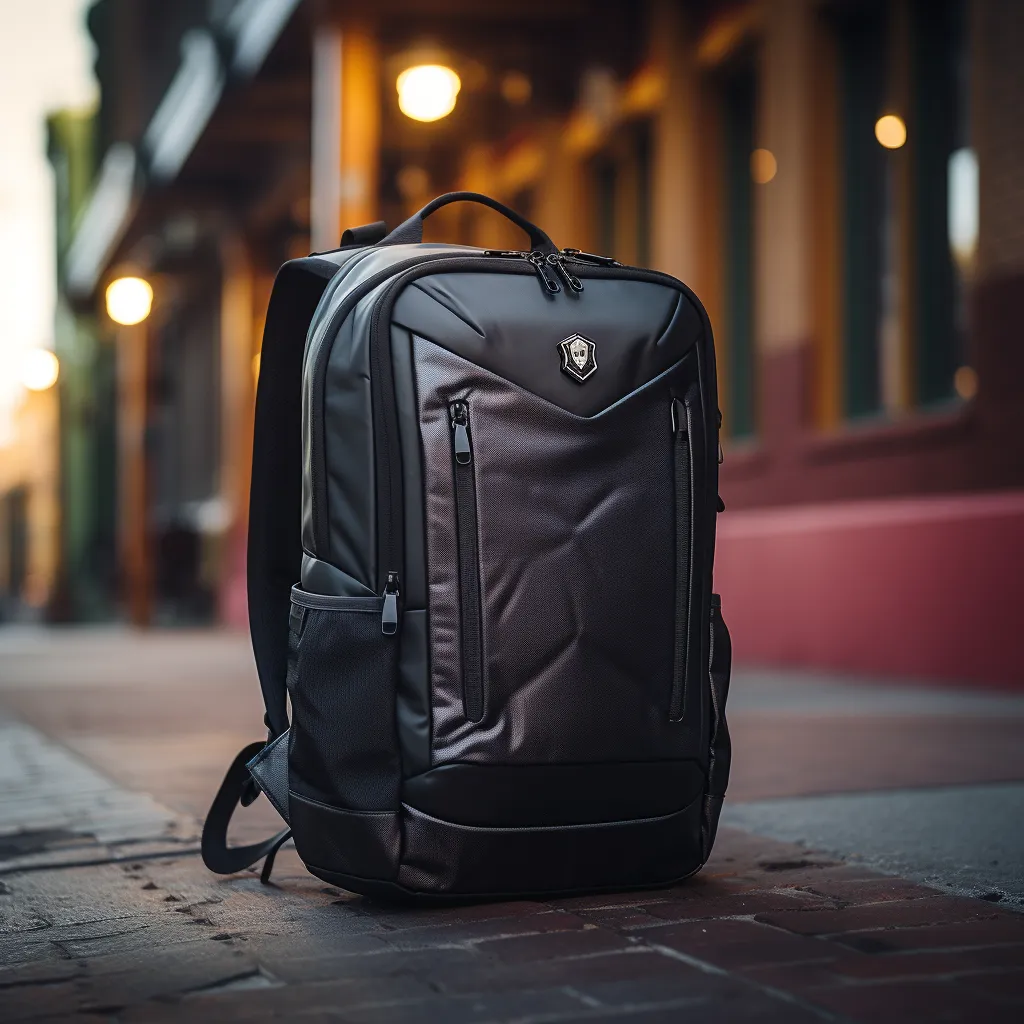
Spec snapshot
A fast engineering view of what matters for sourcing, quoting, and repeatable production.
| Item | Typical | Notes |
|---|---|---|
| Style direction | minimal / classic / fashion (by program) | Style direction determines pocket count and structure strategy |
| Structure target | soft / semi-structured / structured | Shape holding impacts appearance and cost |
| Everyday carry | laptop + bottle + small items (by spec) | Item list drives pocket architecture; avoid random pockets |
| Colorway planning | core + seasonal (by program) | Color control and repeatability matter for lifestyle retail |
| Typical MOQ | 500–1,000 pcs | Depends on fabrics, zippers, and logo package |
Daily wear zone map
Casual backpacks fail at predictable wear zones. This map aligns reinforcement to real daily use instead of overbuilding everywhere.
| Zone | Wear | Control |
|---|---|---|
| Base corners | floor abrasion and dirt | base reinforcement + binding/edge finish gate |
| Zipper ends | high-cycle stress and snagging | end-stop reinforcement + zipper alignment checks |
| Strap anchors | jerk loads and tear-out risk | reinforcement patch + bartack count control + pull tests |
| Back panel | sweat and pilling | mesh selection and seam comfort checks |
Shape-hold strategy
Silhouette and drape define casual retail perception. These structure routes control shape without unnecessary cost.
| Approach | Result | Tradeoff | QC gate |
|---|---|---|---|
| Foam + board panels | clean silhouette | higher cost and weight | wrinkle/crease gate and stitch symmetry checks |
| Minimal structure (soft) | comfortable drape | less premium look | panel alignment and seam allowance consistency |
| Hybrid structure | shape where needed | more BOM complexity | structure placement template and inline checks |
Colorway merchandising plan
Lifestyle collections are built on repeatable core colors with controlled seasonal drops. This plan prevents color drift and SKU chaos.
| Tier | Plan | Goal | Control |
|---|---|---|---|
| Core colors | black/gray/navy (typical) | stable reorder | master swatch + color tolerance definition |
| Seasonal drops | earth tones or trend colors | collection refresh | lock dye lot and repeat order plan early |
| Limited collab | special trims and patches | marketing impact | SKU labeling and kit packing rules |
Capacity & dimensions reference
Standard size options for casual backpacks. We can also customize dimensions to fit your specific gear.
| Volume | Typical Dimensions | Best For |
|---|---|---|
| 12–16L | 40×28×12cm (typical) | minimal daypack for daily carry |
| 17–22L | 42×30×14cm (typical) | commute + light laptop carry |
| 23–28L | 45×32×16cm (typical) | school and lifestyle carry with more capacity |
Custom Casual Backpacks catalog
Choose a base style and we will tailor materials, capacity, colors, and branding to your requirements.
Materials & fabrics
Material choice drives performance, durability, finishing, and target price point.
| Fabric | Waterproof | Cost | Notes |
|---|---|---|---|
| Canvas / polyester | depends on spec | varies | Classic look with good printability. |
• AQL final inspection
• Promotional campaigns
• School and daily commute
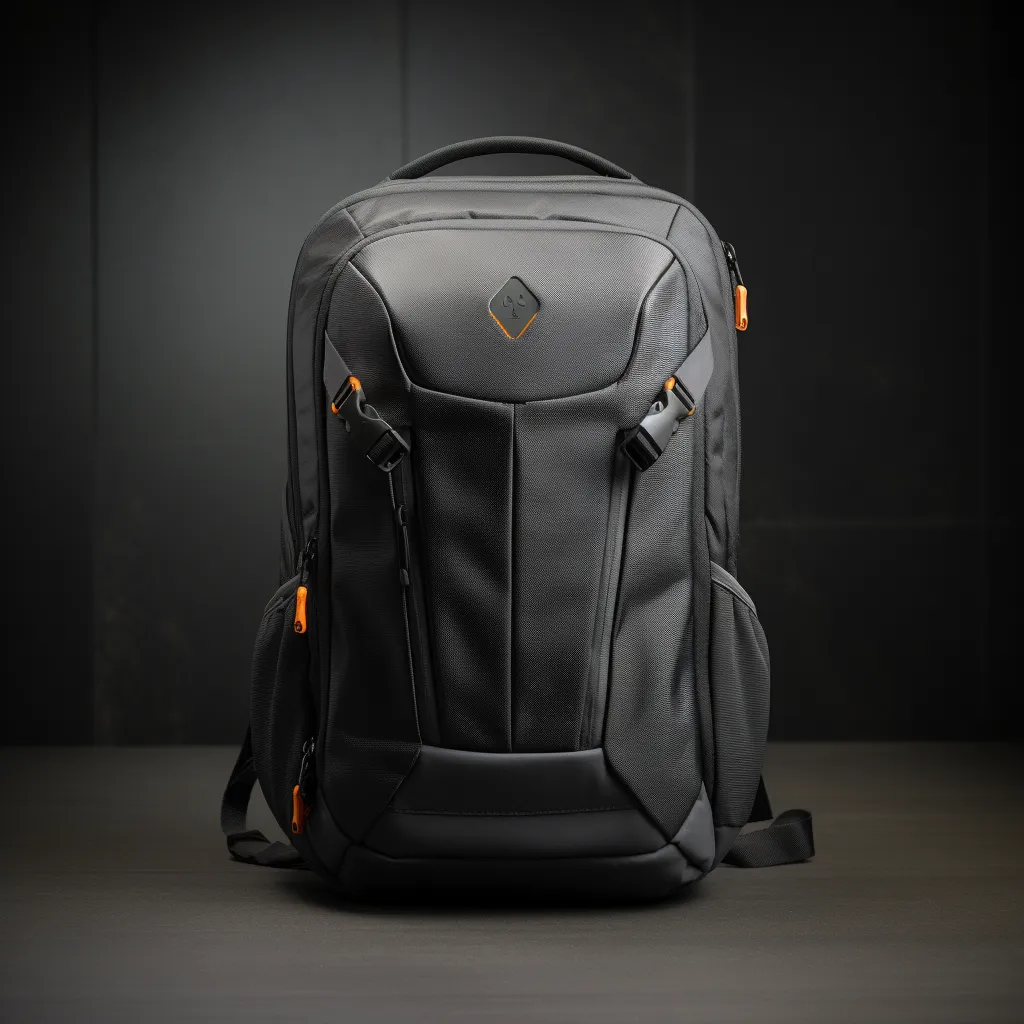

• Capacity target and device/bottle requirements to drive pocket architecture
• Material preference (canvas/polyester) and zipper/hardware expectations
• Colorway plan (core + seasonal) and any Pantone targets
• Branding package (labels/patch/print) and retail packaging requirements
Start custom casual backpacks production
Send your requirements and get a structured RFQ checklist and a manufacturing plan.
A casual backpack has to survive a commute, a weekend and one accidental wash cycle while still leaving you margin at the retail price you set. Three decisions decide whether it does: shell denier, harness build, and how the strap webbing is anchored into the body.
Specification options for casual backpacks
The grid below is the configuration sheet our production team works from once a buyer sends a reference sample or a dimensioned sketch. Every line can be moved except the panel count, which is fixed when the pattern is graded. If your target size sits outside these three tiers, the harness and back panel get re-specified rather than simply scaled up.
| Parameter | Everyday 20 L | Commuter 26 L | Weekend 32 L |
|---|---|---|---|
| Capacity | 20 L | 26 L | 32 L |
| Overall dimensions | 43 × 29 × 15 cm | 46 × 31 × 18 cm | 50 × 33 × 21 cm |
| Shell fabric | 300D polyester, PU | 420D nylon ripstop, PU + DWR | 600D recycled polyester, PU + TPU back |
| Lining | 210D polyester, undyed | 210D dyed to match | 420D ripstop, light grey |
| Back panel | 8 mm EVA + air mesh | 10 mm moulded EVA, spacer mesh | Moulded EVA with airflow channel |
| Shoulder strap | 6 mm foam, 65 mm wide | 10 mm foam, 75 mm, S-curve | 12 mm foam, 80 mm, load lifter |
| Closure | #8 coil, single pull | #8 coil, water-resistant tape | #10 coil, water-resistant, zip garage |
| Hardware | Acetal buckle, zinc-alloy slider | Acetal, TPR zip pull | Aluminium slider, TPR pull |
| Empty weight | 470 g | 640 g | 880 g |
| Internal organisation | 1 slip pocket | 15-inch sleeve, 2 slip pockets | 16-inch padded sleeve, 3 slip, key clip |
| Documented compliance | REACH (EC 1907/2006), Proposition 65 | REACH, CPSIA, Proposition 65 | REACH, CPSIA, amfori BSCI, OEKO-TEX Standard 100 |
Capacity and dimensions are not independent. A 26 L shell at 46 cm tall carries differently from the same volume at 40 cm, because the load sits further from the shoulder line. Where a buyer gives a capacity without a height limit, we quote the harness twice: once for the tall pattern, once for the compact one.
How a casual backpack is put together
The shell is cut as a front panel, a back panel and a continuous gusset, not as a wrap. A one-piece gusset removes two seams from the highest-abrasion zone on the bag, which is the lower corner where the pack brushes against a chair back or a door frame every single day. Two side panels look cheaper on paper and cost more in warranty claims.
The back panel is a laminate: EVA sheet, flame-bonded to spacer mesh, then die-cut to the pattern shape so there are no raw foam edges inside the shell. Moulded panels hold their shape after a year of compression; flat laminates do not, and a panel that has gone flat transfers every book corner into the wearer's back. Stitch-free zones are deliberate here, because a needle hole through a foam laminate is a starting point for delamination.
Strap anchoring is where cheap packs fail. The webbing has to run under the back panel and terminate on a reinforcement patch that is box-stitched through the shell, not through the lining. Stitching webbing to the lining alone is the most common cause of a strap pulling away under load, and it is invisible until it happens in the field. We bar-tack at 8 to 10 stitches per inch and pull-test every first-piece sample.
Zipper installation gets less attention than it deserves. The tape is bound rather than turned, so the coil sits in a fabric channel that keeps dirt out of the teeth. A water-resistant tape only performs with a bound seam behind it and a storm flap above; without both, water wicks through the stitch line.
Lining is cut 2 to 3 mm smaller than the shell so it drops in without tension. Pocket tops are turned and topstitched rather than overlocked, because a raw pocket edge is the first thing a customer sees when they open the bag.
Cost drivers and MOQ for casual backpacks
Five things move unit price: shell denier and coating, foam volume in the harness, zipper specification, pocket sub-assembly count, and the print method. Foam is the one buyers overlook — a thicker panel adds material and sewing time, because it will not feed through the same folder.
Programmes start at 500 units per style per colour; once a style has run and the cutting markers exist, reorders open at 300. Sampling takes 6–10 working days on a stock-fabric build and 12–15 where a custom print strike-off or a moulded back panel is involved. Sample fees run USD 50–150 and are credited against your first bulk order.
| Tier | Typical configuration | Indicative FOB |
|---|---|---|
| Entry | 300D polyester, flat back panel, #8 coil, 1 slip pocket | USD 4.50–6.00 |
| Mid | 420D ripstop, moulded panel, water-resistant zip, laptop sleeve | USD 6.00–7.50 |
| Premium | 600D recycled, TPU back, #10 coil, load lifter, printed lining | USD 7.50–9.00 |
Standard terms are T/T 30/70 against FOB Xiamen, with EXW, CIF and DDP available under Incoterms 2020. Quote turnaround is 24–48 hours once the tech pack is in. Transit runs 25–35 days by sea, 5–8 days by air and 3–5 days by courier; a 20GP takes roughly 28 CBM, a 40GP 56 CBM and a 40HQ 68 CBM, which is worth knowing before you decide between flat-packed and assembled cartons.
Quality gates and acceptance criteria
Every programme is inspected to AQL 2.5, sampled under ISO 2859-1, with Critical 0, Major 2.5 and Minor 4.0; AQL 1.5 is available where a retail customer demands it. Inspection happens on our 4,950 m² SGS-verified production floor before loading, and reorders use the same report format so two batches can be compared line by line.
The tests that predict field life are the strap anchor pull, the loaded carry cycle and zipper endurance. A strap that survives 40 kg static has margin; one that tears at 20 kg will tear in month three. Compliance screening covers REACH (EC 1907/2006) on coated fabric and Proposition 65 on trim.
| Check | Method | Acceptance |
|---|---|---|
| Strap anchor pull | In-house, 40 kg static, 60 s | No tear-out, webbing shift under 5 mm |
| Loaded carry cycle | In-house jig, 5,000 cycles at 8 kg | No stitch break, foam loss under 10 percent |
| Fabric tensile and seam strength | ASTM D5034, ISO 13934-1 | Above 450 N fabric, above 180 N seam |
| Panel abrasion | In-house Martindale, 20,000 rubs | No thread break, no coating flake |
| Colour fastness to rubbing | AATCC 8 | Grade 4 dry, grade 3–4 wet |
| Water spray resistance | AATCC 22 | Rating 90 or above where DWR is specified |
| Zipper endurance | In-house, 3,000 open and close | Smooth travel, no tape delamination |
| Metal hardware corrosion | ASTM B117, 48 h salt spray | No red rust on functional surfaces |
Print, patch and trim options for casual packs
Screen printing remains the default for a flat front panel: it is cheap at volume, holds opacity on dark shells and tolerates a slight curve. Heat transfer is the better choice for gradients and small type, and it is the only practical route for a print that crosses a seam. Sublimation gives unlimited colour but needs a polyester face fabric, so it is off the table the moment a nylon shell is specified.
Embroidery reads premium but hoop clearance on an assembled pack is tight, so panels are embroidered before assembly and artwork must be locked before the cutting marker is released. TPU and silicone badges suit curved faces. Woven labels sit best on the grab handle.
Ordering path for casual backpack programmes
Six steps take you from a sketch to a loaded container. A first programme typically lands at 9–12 weeks, with print strike-offs and any custom hardware finish on the critical path.
Send a reference pack or a dimensioned sketch and you will get a configuration grid, an indicative FOB band and a printed-weight estimate within 48 hours. Fabric trade-offs are covered on our custom bag materials page, and run economics are explained on cost and MOQ.