OEM & ODM Services
We turn your concepts into retail-ready products. From material sourcing and rapid prototyping to mass production and global logistics.
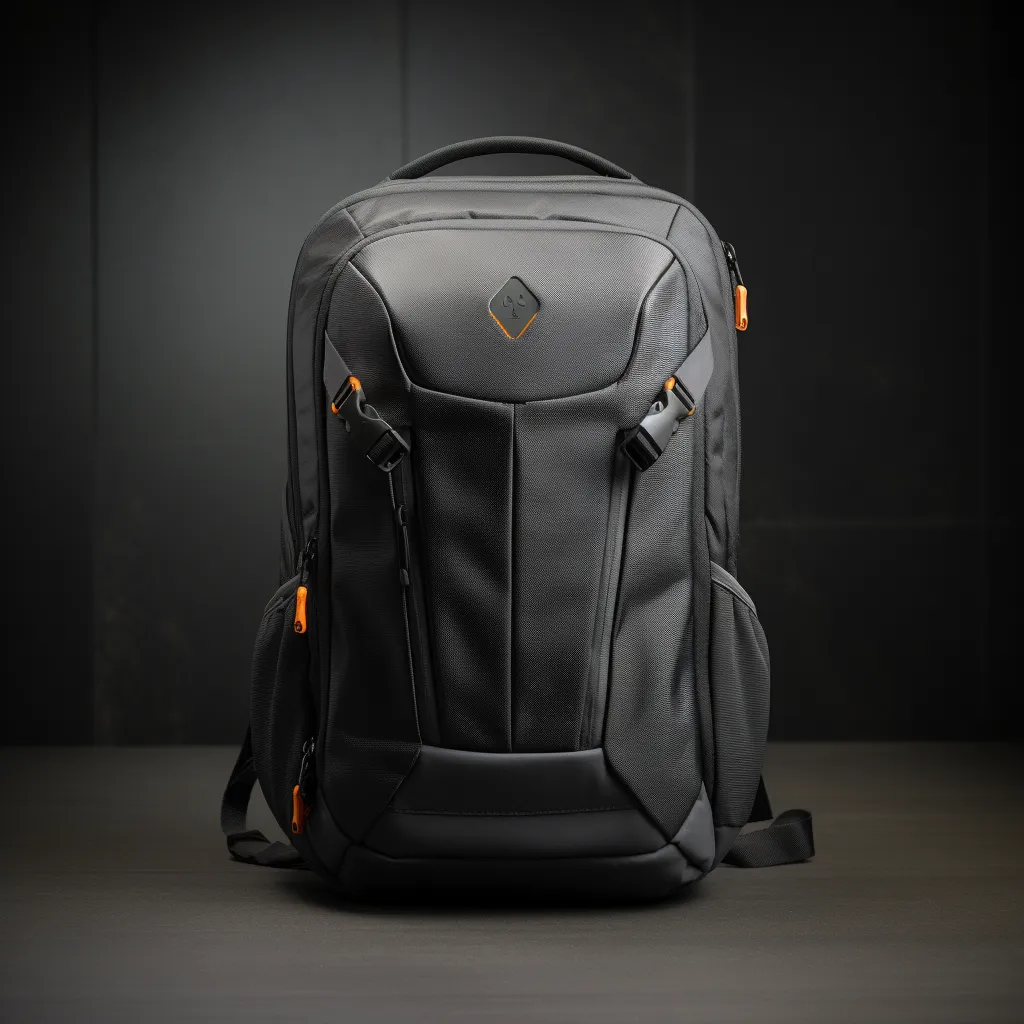
The Manufacturing Lifecycle
A transparent, milestone-driven approach. We keep you informed at every critical juncture to ensure your exact specifications are met without delays.
Standard Timelines
- Initial Quote 24 Hours
- Prototyping / Sampling 6-10 working days
- Mass Production 35-50 days
- Standard MOQ 500 pcs/style

Deep Customization Capabilities
Every detail matters. We offer an extensive library of materials and branding methods.

- Waterproof: 500D/1000D PVC, TPU coated Nylon
- Heavy-duty: 1680D Ballistic Nylon, Cordura®
- Eco-friendly: GRS certified RPET, Organic Canvas
- Insulation: PEVA, high-density PE foam

- Silk-screen printing (high volume, cost-effective)
- Heat transfer printing (complex, multi-color designs)
- High-density embroidery & woven labels
- Custom rubber patches & engraved metal plates

- Zippers: YKK® standard, AquaGuard®, TIZIP® airtight
- Buckles: Duraflex®, UTX-Flex®, custom molded POM
- Straps: High-tensile nylon webbing, ergonomic EVA mesh
- Reinforcements: Bar-tack stitching, bottom skid pads
Quick RFQ Builder
Fill a few fields and send a structured brief to WhatsApp or email in one click.
Program Fit By Buyer Type
Tell us your channel and target margin, and we map the fastest route from sample to scalable shipments.


Conversion-Focused FAQ
Answers to the key questions buyers ask before placing a trial order.
Start Your Custom Project Today
Send us your tech pack or ideas. Our experts will evaluate the feasibility and provide a rapid quote.
Service scope
QUANZHOU JUNYUAN BAGS coordinates custom bag programmes for brands, importers, ecommerce sellers and corporate procurement teams. The service covers the route from a first brief to a loaded container: reading your design intent, building a costed bill of materials, developing and approving samples, booking production capacity, inspecting finished goods and preparing the documents your forwarder will ask for.
Most enquiries arrive as either an OEM project or an ODM project, and the two behave differently from the first email. An OEM programme starts with something you already own: a technical pack, engineering drawings or a physical reference that has to be reproduced at a target cost. An ODM programme starts with a market position, a retail price point and a feature list, and our production team develops the silhouette, panel layout, material stack and hardware set with you. Both routes close in the same way, with an approved sample, a locked specification and a dated production plan.
Knowing where the service stops matters as much as knowing where it starts. Included work covers design support, material and hardware selection, pattern and sample development, costing, production scheduling, inline inspection, final random inspection to AQL 2.5, export packing and shipment documentation for the port you nominate. Not included are retail forecasting, marketplace listing content, freight insurance placement, import clearance in your country and duty or tax payment. Where a request touches something outside our control, you are told during review rather than after deposit.
Every programme is quoted and run per style, per colourway, per order, so you can compare two seasons or two partners on the same basis. Minimum quantity is 500 units per style per colour, sampling takes 6–10 working days for standard builds and 12–15 working days for complex ones, and mass production runs 35–50 days after sample approval. Branding method, test plan, packing format, labelling, carton marking and the Incoterms 2020 delivery basis are agreed in writing before any deposit is requested.
Service lines
Eight service lines carry a programme from concept to delivery. Each one can be used alone, and each produces a written record you can hand to colleagues.
Engagement models
Four ways to start a programme. The differences show up in development cost, calendar time, how distinctive the finished product is, and who owns what afterwards.
| Model | Suitable for | Development cost | Timeline | Differentiation | Intellectual property |
|---|---|---|---|---|---|
| Rebrand an existing pattern | A first order, a gift-with-purchase or a fast promotional drop where the silhouette is already proven in the market. | No pattern development. Sample fee USD 50–150, credited against your first bulk order. | Sample in 6–10 working days, then 35–50 days mass production. | Low. Colour, fabric and branding change; the underlying silhouette stays shared. | Your logo, artwork and product copy. Pattern ownership stays with whoever developed the original. |
| Modify an existing development | Changing dimensions, panel layout, pocket set, closures or material stack on a platform that already builds reliably. | Low. Tooling of USD 300–2,500 applies only where a new die, plate or mould has to be cut. | 6–10 working days for the first sample, plus a further round if structural changes need verification. | Moderate. Recognisably built to your specification, still using proven geometry. | Your approved specification is protected for your programme; the base platform remains available to others. |
| Build to your drawings | You already own a complete technical pack, or a physical reference that must be reproduced reliably at cost. | Sample fee USD 50–150 credited on the first bulk order, plus tooling USD 300–2,500 where dedicated hardware or moulded parts are needed. | 6–10 working days for standard builds and 12–15 working days where the construction is complex. | High. Geometry, materials and finishing follow your definition exactly rather than a shared platform. | Wholly yours. Drawings, patterns and specifications are returned or destroyed at your written request. |
| New development | A concept, a category idea or a retail positioning with no existing pattern and no technical reference. | Quoted after the feasibility review; tooling USD 300–2,500 where moulds or dies are required for exclusive parts. | 12–15 working days to the first sample, typically two or three revision rounds, then 35–50 days bulk. | Highest. Silhouette, structure and hardware can be designed around your price point from the beginning. | Governed by a written development agreement naming ownership of drawings, patterns, moulds and any exclusivity period. |
Customisation methods
Ten logo methods, compared on the six questions that decide whether a decoration survives production, retail handling and the washing machine. Every method is verified on the production fabric, never on a substitute.
| Method | Fabric suitability | Colours | MOQ basis | Fastness evidence | Relative cost |
|---|---|---|---|---|---|
| Screen printing | Polyester, nylon, cotton canvas and non-woven fabrics | Spot colours, one screen charged per colour | 500 units per style per colour | Crocking checked to AATCC 8 after full cure; AATCC 127 where a water resistance claim is made | Low unit cost, one set-up per colour |
| Heat transfer | Polyester, nylon, TPU laminates and open meshes | Full-colour artwork plus spot overlays | 500 units per style per colour | Wash resistance checked to ISO 6330; AATCC 165 where carpet colour transfer matters | Low to medium, no screens |
| Digital direct printing | Canvas, cotton blends and coated panels | Unlimited colours, gradients and photographic artwork | 500 units per style per colour | Rub and wash checked ahead of bulk; always verified on the production substrate | Medium, no set-up charge |
| Dye sublimation | High polyester content fabrics and RPET knits | Unlimited inside the printed panel | 500 units per style per colour | Excellent: the dye bonds into the fibre, with strong ISO 6330 wash and light results | Medium, priced per printed panel |
| Embroidery | Canvas, denier nylon, twill and structured panels | Multiple thread colours within one design | 500 units per style per colour | Very good, with no print film to crack; snagging checked on loose weaves | Medium to high, priced by stitch count |
| Woven label | Sewn into any substrate as a label or patch | Damask or taffeta weaves with several weft colours | 500 units per style per colour | Excellent: ISO 6330 wash stability is standard for labels of this type | Low per unit, loom charge applies |
| Silicone badge | Nylon, polyester and TPU shells | Pantone matched two-dimensional or three-dimensional relief | 500 units per style per colour; tooling USD 300–2,500 for a dedicated mould | Flexible at low temperature and crack resistant; OEKO-TEX Standard 100 input options | Medium to high |
| Metal plate | Leather, PU, canvas and webbing ends | One metal finish per plate, optionally enamel filled | 500 units per style per colour; tooling USD 300–2,500 for a dedicated die | EN 1811 nickel release for skin contact, plus plating adhesion and salt spray checks | High per unit |
| Embossing and debossing | Genuine leather, PU and heavy canvas | No colour: tone-on-tone relief formed by heat and pressure | 500 units per style per colour, one die per artwork | Permanent formed relief with no applied coating that can abrade away | Low per unit, die charge applies |
| Hot foil stamping | PU, leather, coated fabrics and rigid panels | Metallic or pigment foil, one colour per pass | 500 units per style per colour, one die per artwork | Adhesion and rub resistance verified on the production substrate before bulk runs | Low to medium |
Programme timeline
Eight stages carry a programme from brief to booked container. The dates only hold when each stage is closed in writing, so approval gates sit between every step.
Send the category, quantity, target price, destination market and required date, with any drawings or reference files you already hold. A complete brief supports the 24–48 hour turnaround; a short one still returns an indicative range plus the open questions.
Pattern, materials and branding are built into a physical sample. Standard constructions take 6–10 working days and complex ones take 12–15, and every round ships with written construction notes rather than photographs alone.
You review the sample against the brief and either approve it in writing or return marked-up comments. Nothing enters the line before written approval and the 30% deposit are both in place, which protects your design and your schedule.
Fabric, lining, foam, hardware and trims are released after approval. Bulk begins once every component is received, matched against the approved reference and issued to the line with its own identification and batch record.
Production runs 35–50 days after sample approval. Volume executes on our 4,950 m² SGS-verified production floor or through our vetted partner facilities, depending on which construction method and equipment each individual style actually requires.
Finished goods are sampled and inspected to ISO 2859-1 at AQL 2.5, or AQL 1.5 where agreed in advance. Defects are classified by severity and you receive the written report before shipment release is requested from us.
Cartons are counted, weighed and loaded against the packing plan you approved, with the container sealed and numbered on record. ISTA 3A testing can be arranged beforehand where the route involves parcel-level rather than palletised freight.
Transit runs 25–35 days to most major ports, moving FOB Xiamen unless you nominate another Incoterms 2020 basis. Shipping documents follow the booking so your broker can begin filing well ahead of arrival.
Commercial terms
The standard commercial basis for a custom programme. Anything outside these terms is quoted and confirmed separately, never assumed.
| Term | Standard position | Notes |
|---|---|---|
| Minimum order quantity | 500 units per style per colour | Applies to every programme. Further styles within one order are quoted on exactly the same basis. |
| Sample fee | USD 50–150 | Credited against your first bulk order. Courier charges are billed separately at cost. |
| Tooling | USD 300–2,500 | Charged only where a dedicated screen, die, plate or mould is required for your artwork or hardware. |
| Payment terms | T/T 30/70 | 30% deposit releases materials and line space; the 70% balance is settled before shipment release. |
| Delivery basis | FOB Xiamen | EXW, CIF and DDP available under Incoterms 2020 where you prefer a single landed quotation. |
| Inspection level | AQL 2.5 | AQL 1.5 available. Sampling follows ISO 2859-1 with written defect classification provided. |
| Production lead time | 35–50 days | Counted from written sample approval, material confirmation and deposit clearance together. |
| Quotation turnaround | 24–48 hours | Faster on a complete technical pack; longer where feasibility work has to be finished first. |
What we need from you
Six inputs turn a vague enquiry into a quotable project. Send what you have; anything missing becomes a documented question rather than a guess.
- Technical pack or reference images. Drawings, a tech pack, a competitor sample or clear photographs from several angles. Mark which dimensions are fixed and which are open for recommendation.
- Target price. Give the landed or FOB figure you need to hit, plus the retail position if you have one. That tells us where to spend your budget and where to save it.
- Quantity. Units per style and per colourway, plus an estimate for repeat orders. Quantity determines whether exclusive tooling or a custom dye lot is realistic.
- Destination country. Confirm the import market so we can match the material and labelling plan to REACH (EC 1907/2006), California Proposition 65, CPSIA or EN 71-3 requirements.
- Compliance requirements. Tell us which test methods your retail partner or auditor demands, including ISO 17075 for leather or OEKO-TEX Standard 100 inputs where applicable.
- Required delivery date. Give the date goods must arrive, not just the date you would like them shipped, so we can work backwards through sampling, production and freight.
Start your custom bag programme
Send your brief through the contact page and you receive a written quotation, a sampling calendar and a realistic delivery date within 24–48 hours. No obligation, and no shared files.
Frequently Asked Questions
What happens during the tech pack review before a quotation is issued?
Our production team checks drawings, panel dimensions, tolerances, material stack and branding position against what the line can actually build. Feasibility notes, tooling needs and any test plan are recorded before pricing, so the figure returned inside 24-48 hours already reflects a buildable specification rather than a placeholder range.
Why is the minimum order quantity set at 500 units per style and colour?
Material mills, dye lots and hardware suppliers work to their own minimums, and a line changeover consumes set-up time regardless of run length. A 500-unit floor keeps fabric, trim and branding economics workable, and it lets inspection sampling follow ISO 2859-1 at AQL 2.5 with a statistically meaningful lot size.
How long does a pre-production sample take for a complex construction?
Standard builds are sampled in 6-10 working days. Multi-panel geometry, welded seams, moulded hardware or a new pattern pushes that to 12-15 working days because tooling of USD 300-2,500 and a trial run have to be completed first. Each round ships with written construction notes for your approval.
What does the 24-48 hour quotation turnaround actually include?
You receive a unit price against a stated specification, the branding method, packing assumption, tooling needs, sampling calendar and a delivery date quoted FOB Xiamen under Incoterms 2020. Exclusions are listed rather than assumed, so two quotations compared on different bases do not look cheaper than they are.
When is tooling charged, and how much does a mould or screen cost?
Tooling applies only where a dedicated screen, die, plate or mould is needed for your artwork or hardware, and it is quoted at USD 300-2,500 before any charge is raised. Rebranding an existing pattern carries no tooling, only the USD 50-150 sample fee credited against your first bulk order.
Who owns the drawings, patterns and moulds on a build-to-print programme?
On a build-to-print programme the drawings, patterns and specifications are wholly yours and are returned or destroyed at your written request. Tooling quoted at USD 300-2,500 has its ownership, storage and authorised use recorded in the commercial documents, an NDA can be signed before files are exchanged, and any exclusivity period is agreed in writing.
Can I sign a confidentiality agreement before sharing product drawings?
Yes. An NDA can be put in place before drawings, launch information or proprietary specifications are exchanged. Artwork, brand assets and technical files are then used only for the authorised programme, and tooling of USD 300-2,500 cut for you is not offered to another buyer while your programme is active.
How many sampling rounds are included before tooling is cut?
Most programmes close in two or three rounds, each taking 6-10 working days for standard builds and 12-15 for complex ones. Tooling is only cut once the geometry is stable, because a revised panel shape after a USD 300-2,500 mould has been made is expensive to undo.
What is the difference between a development sample and a counter sample?
A development sample proves construction and cost. A counter sample is built to the approved specification and becomes the physical reference the line and the inspector work from. Both attract a USD 50-150 fee, credited against your first bulk order of 500 units or more, and both are labelled with their status.
How is production capacity reserved after written sample approval?
Capacity is reserved against style complexity, material readiness and the live calendar, not by dividing 200,000 monthly units evenly across 7 production lines. Once the 30% deposit clears under T/T 30/70 and materials are matched, you receive a dated plan covering line start, inspection and container booking.
Planning a bulk buy? Read the wholesale programme guide for pricing tiers, lead times and compliance gates.